Climate & Environment
COP31 Ends Without Agreement, Highlighting Structural Barriers to Climate Action
By Ilan Kapoor
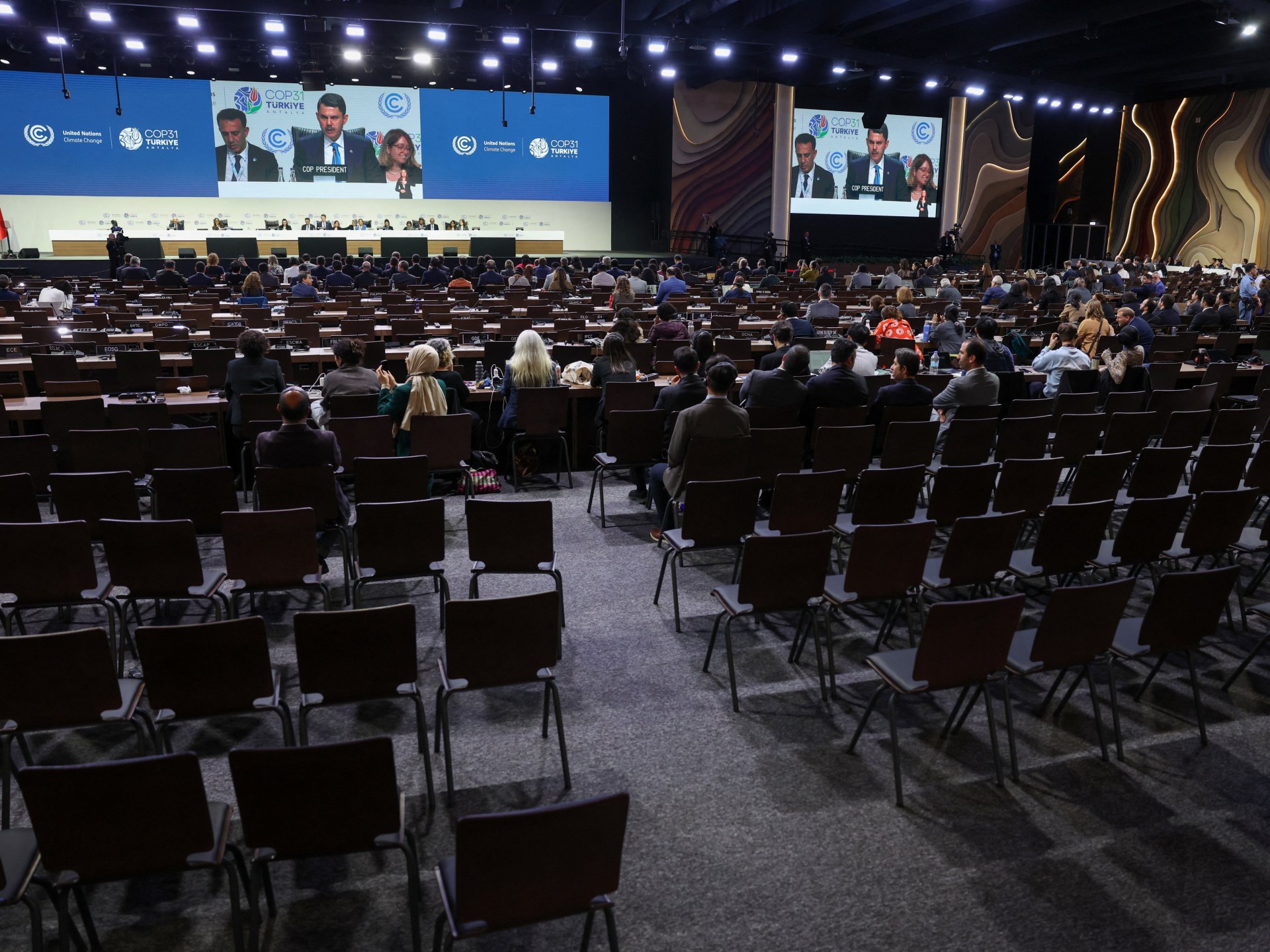
COP31 concluded in Antalya, Turkiye, without a final climate pact after nearly 200 countries failed to reach consensus. The draft text omitted reference to fossil fuels, a point the European Union and several Pacific island states rejected, while oil‑producing nations opposed stronger language. This marks the first breakdown of the annual summit series since 2009.
The collapse underscores how climate negotiations keep governments engaged while avoiding the economic shifts required for meaningful action. Under the Paris Agreement, nations set their own emissions targets without enforcement mechanisms, and decisions rely on consensus, giving holdouts significant leverage. The result is a forum where reluctant participants can limit what others can say or do.
In Antalya, the EU objected that the draft did not mention fossil fuels, but the omission was deliberate. Earlier language advocating a move away from oil, gas and coal had been weakened during negotiations. The summit could not agree on how to implement the transition away from fossil fuels outlined at COP28 in Dubai.
While the conference produced limited decisions on other issues, including a just‑transition resolution, it lacked a credible timetable to phase down fossil‑fuel extraction. Diplomatic activity alone cannot substitute for structural change, which requires altering the incentives that keep fossil‑fuel production profitable.
The draft also promoted carbon‑removal technologies as a way to address warming beyond 1.5 °C, a stance that allows governments and corporations to promise future fixes while continuing emissions. Such approaches may have limited roles in reducing emissions from hard‑to‑abate sectors.
Climate finance was another point of contention. The proposed $120 bn adaptation target was removed from the revised text, and disputes over financial commitments contributed to the talks’ failure. Wealthy governments can claim climate ambition while leaving poorer countries to borrow or absorb losses, highlighting the need for responsibility‑based funding rather than discretionary charity.
The EU’s refusal to accept a pact silent on fossil fuels was justified, but wealthy countries cannot demand ambitious language abroad while resisting the financial and domestic changes needed to give it substance. Conversely, some developing countries rely on fossil‑fuel income or need affordable energy, so a just phase‑out must consider their circumstances.
A different climate politics would involve enforceable plans to end new fossil‑fuel expansion, with richer countries moving first and faster, reliable grant‑based adaptation and loss‑and‑damage funding, and greater influence for vulnerable countries over decisions that affect them.
The collapse of COP31 serves as a warning that the current political system is unwilling to confront those who benefit from causing climate change. Until that changes, each summit will be judged by the agreements it produces, while the atmosphere records the emissions it fails to prevent.
Frequently asked questions
Why did COP31 fail to produce a climate pact?
Nearly 200 countries could not agree on key issues, including fossil‑fuel language and finance, leading to a breakdown of consensus.
What was the issue with fossil fuel language?
The draft omitted reference to fossil fuels; the EU objected, and earlier language advocating a move away from oil, gas, and coal had been weakened during negotiations.
What happened to the $120bn adaptation target?
The proposed $120 bn adaptation target was removed from the revised text, and disputes over financial commitments contributed to the talks’ failure.