Climate & Environment
COP31 in Antalya Ends Without Agreement, Yet Renewable Growth Continues
The Conference of the Parties (COP31) held in Antalya, jointly hosted by Türkiye and Australia, failed to reach a climate agreement after three drafts were circulated on Sunday afternoon. The stalemate stemmed from disagreements over the timeframe for phasing out fossil fuels and the provision of adequate climate finance for developing and emerging economies. Island nations backed by the European Union and the United Kingdom demanded no nuance on phasing out fossil fuels, while a small group of oil‑producing countries led by Saudi Arabia rejected a specific timeframe. India, representing the Like‑Minded Developing Countries (LMDC), argued for continued use of fossil fuels to meet social security and development needs. COP agreements are reached by consensus, not majority vote.
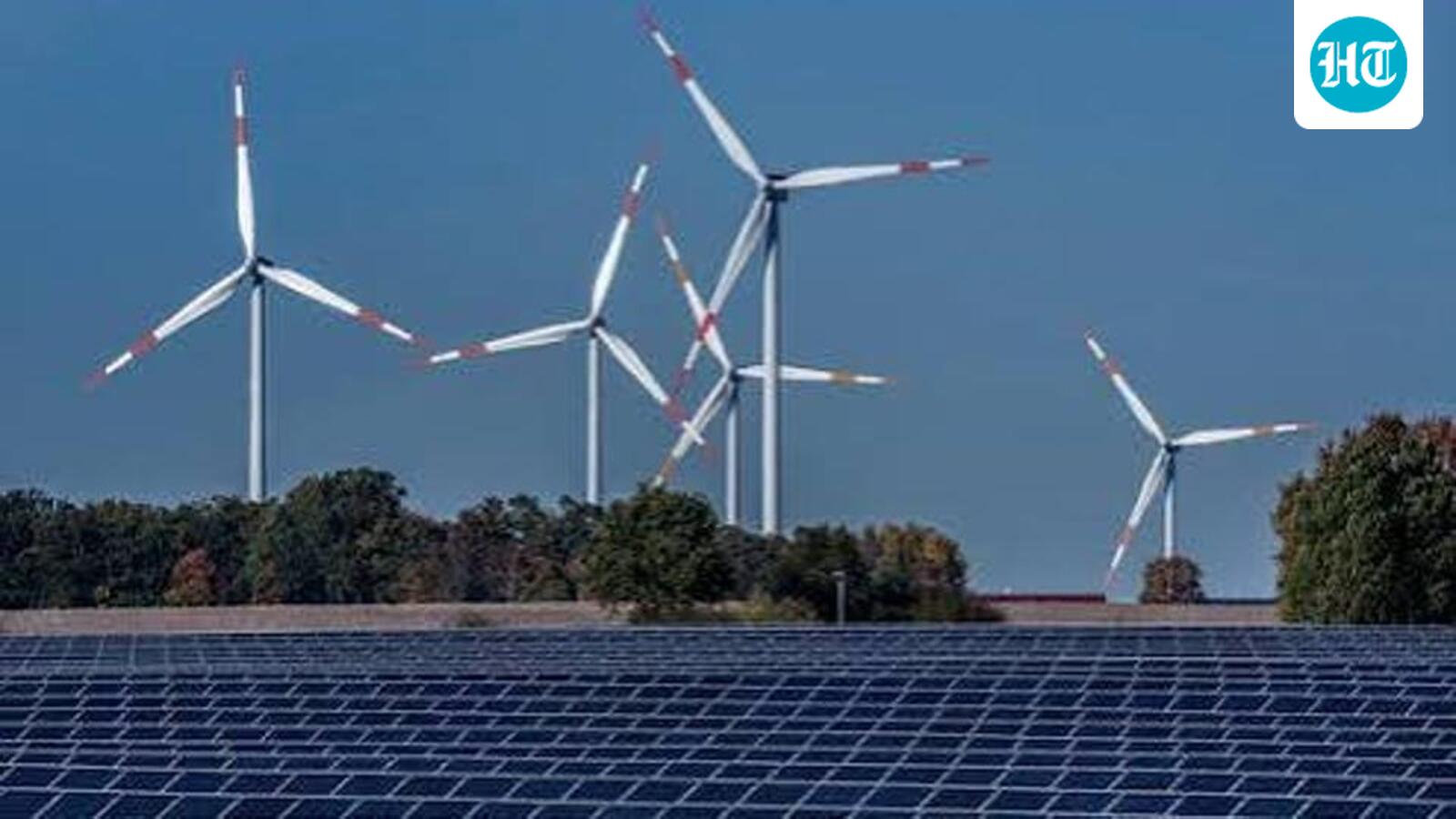
The failure to agree at Antalya mirrors the 2009 Copenhagen conference, but the context has changed. In 2009, renewable energy accounted for 18.29% of the global energy mix, with Europe dominating the sector. By 2025, renewables reached almost 34% of the mix and are projected to hit 45% by 2031. The number of countries with renewable capacity grew from about 130 in 2009 to nearly 200 today.
Electric vehicle penetration has also surged, rising from 0.1% of the global vehicle market in 2009 to 26‑28% in 2025. This growth has reduced fossil fuel demand by eight percentage points, according to the International Energy Agency (IEA). Solar power installations have displaced natural gas demand, and the IEA projects global renewable capacity will grow by almost 4,800 gigawatts between 2026 and 2031—57% more than the previous six years. India is expected to become the world’s second‑largest growth market after China.
Higher oil prices and energy security concerns amid the Middle East crisis have increased forecasts for liquid biofuel production by 40% compared with the previous year. Many Southeast Asian and Latin American countries are accelerating the implementation of liquid biofuel mandates to reduce reliance on imported fossil fuels.
The lack of a deal in Antalya does not derail the global transition to renewable energy, but it signals a deepening political divide. Historically, COPs have produced weak agreements or face‑saving statements when consensus is unattainable. Global negotiators appear to be awaiting the United States elections in November 2028, a few days before that year’s COP, to push the climate agenda. A climate deal cannot succeed without the participation of the world’s largest polluter, the United States.
Frequently asked questions
Why did COP31 fail to reach a climate agreement?
COP31 failed to reach an agreement because parties disagreed on the timeframe for phasing out fossil fuels and on providing sufficient climate finance for developing and emerging economies.
What was the renewable energy share in the global energy mix in 2009 and 2025?
In 2009, renewable energy accounted for 18.29% of the global energy mix; by 2025 it had risen to almost 34%, with a projection of 45% by 2031.
How has electric vehicle penetration changed between 2009 and 2025?
EV penetration rose from 0.1% of the global vehicle market in 2009 to 26‑28% in 2025, reducing fossil fuel demand by eight percentage points according to the IEA.