Climate & Environment
COP31 Ends in Collapse as Nations Fail to Agree on Fossil‑Fuel Phase‑Out
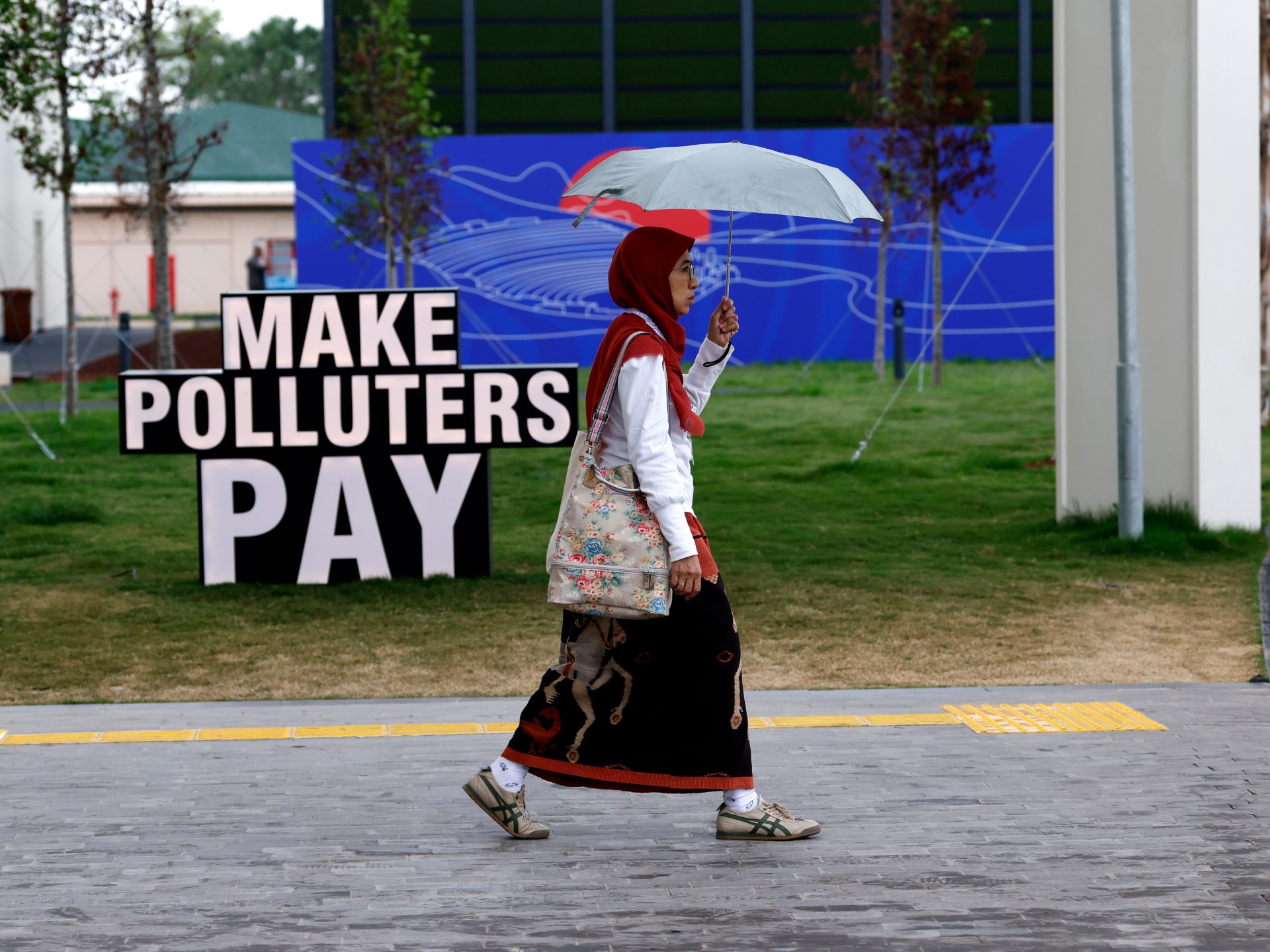
The 11‑day United Nations climate conference, COP31, held in Antalya, Turkiye, ended on Sunday after member states could not reach a consensus on how to accelerate action to reverse global warming. The summit collapsed when oil‑producing countries, including Saudi Arabia and other OPEC members, blocked any reference to phasing out fossil fuels in the final text proposed by the conference president, Turkiye, and chief negotiator Australia. They instead pushed for carbon capture, a technology criticised as costly and ineffective.
The European Union and several climate‑vulnerable nations rejected the revised draft, which omitted any mention of a fossil‑fuel phase‑out while promoting carbon capture. About 130 countries sent a letter to the presidency demanding that the final agreement include a path for transitioning away from fossil fuels. The European Union and other vulnerable states said they could not accept a text that failed to address the main driver of global warming.
Developing countries also saw no progress on the financial support required to help them transition energy systems and respond to natural disasters. Under the 2015 Paris Agreement, developed nations are obliged to provide climate finance, but the U.S.–Israeli war over Iran and Russia’s war in Ukraine have strained budgets, leaving wealthy nations reluctant to commit trillions of dollars.
Sebastien Duyck, senior attorney at the Center for International Environmental Law, criticised the hypocrisy of wealthy countries that denounced the obstruction by fossil‑fuel producers while failing to meet their own financial commitments. He called for greater accountability and urged all major economies to deliver on existing legal obligations and finance commitments before COP32.
The collapse has reignited calls to reform the UN climate process, which relies on consensus among all countries. The COP process remains the only forum where every nation can shape outcomes, but many argue that the influence of fossil‑fuel producers undermines the goal of a low‑carbon world.
E3G’s Cosima Cassel noted that the UN process is still vital but that a second tier of COPs, the Global Climate Action Agenda, is gaining prominence. This voluntary implementation pillar brings together financial institutions, cities, regions, businesses and civil society.
Other avenues are also being explored. An International Court of Justice advisory opinion last year confirmed that states have a binding legal obligation to combat climate change. In April, the Santa Marta initiative convened 57 countries to promote non‑binding cooperation around fossil‑fuel phase‑out.
The UN Environment Programme warned that the world is likely to exceed the 1.5 °C target within the next decade, and that without meaningful action temperatures could rise 2.3 to 2.5 °C by 2100.
Joeri Rogelj, professor of climate science and policy at Imperial College London, said that even simply echoing commitments made at COP28—such as transitioning away from fossil fuels, tripling renewable energy capacity and doubling the annual rate of energy‑efficiency improvements by 2030—would have been politically too challenging for some countries with vested interests in fossil fuels. He stressed that global greenhouse‑gas emissions must decline to slow the rate of global warming, warning that failure risks further delaying meaningful reductions and disproportionately harming the poorest and most vulnerable communities.
Frequently asked questions
Why did COP31 collapse?
The conference collapsed because oil‑producing countries, including Saudi Arabia and other OPEC members, blocked any reference to phasing out fossil fuels in the final text, pushing for carbon capture instead, preventing consensus.
What did the EU and other vulnerable states reject in the revised draft?
They rejected the revised draft that omitted any mention of a fossil‑fuel phase‑out while promoting carbon capture, saying they could not accept a text that failed to address the main driver of global warming.
How many countries demanded a transition path for fossil‑fuel phase‑out?
About 130 countries sent a letter to the COP31 presidency demanding that the final agreement include a path for transitioning away from fossil fuels.