Climate & Environment
Delhi Air Quality Remains Poor with AQI 249, PM2.5 Dominates
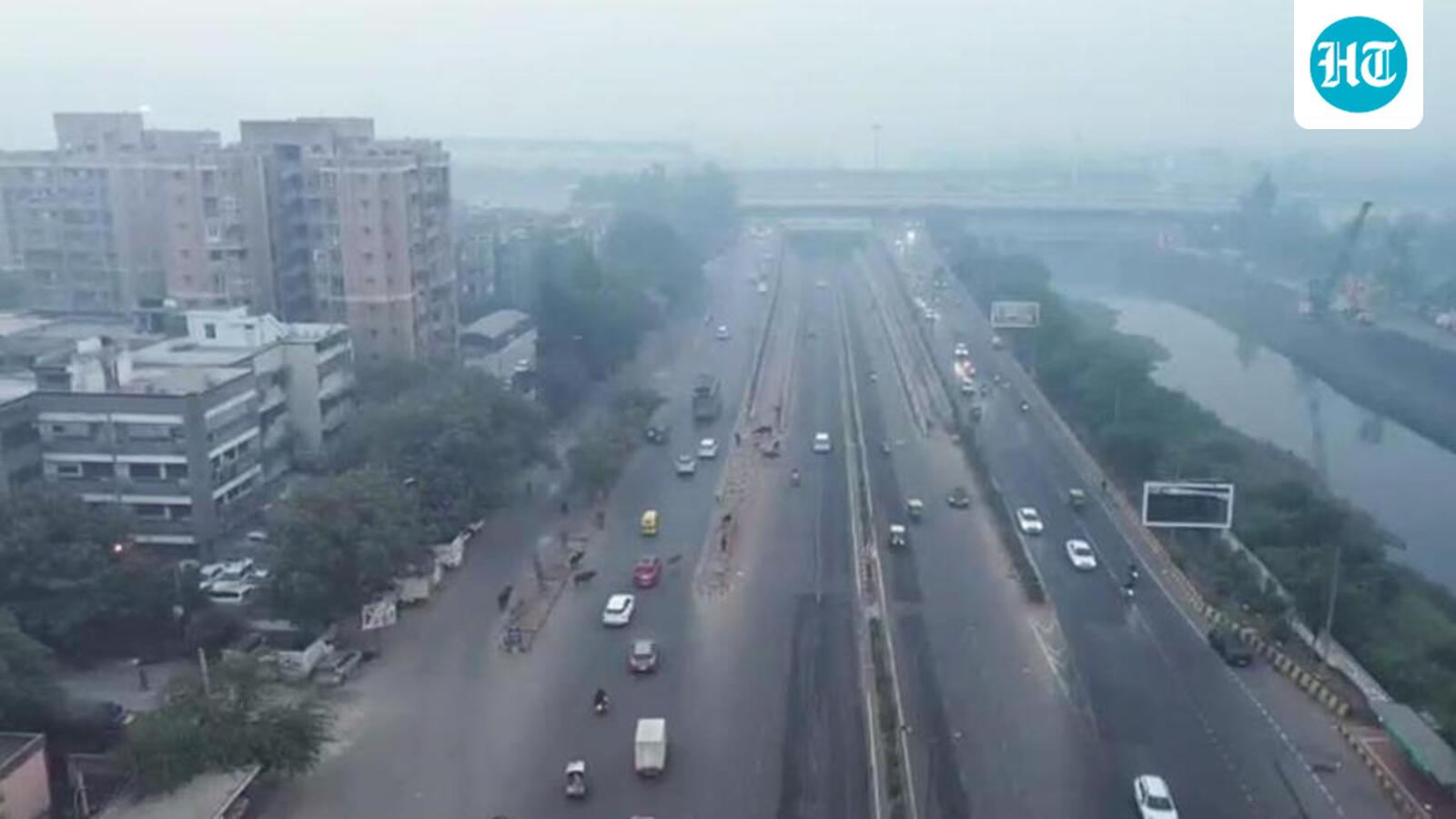
At 7 a.m. on Monday, Delhi’s air quality index (AQI) was 249, placing the city in the poor category. The figure was higher than Sunday’s average of 239, as calm winds continued to limit pollutant dispersion. Particulate matter 2.5 (PM2.5) was the predominant pollutant at 50 of the city’s 58 monitoring stations, while PM10 led at the remaining eight stations. A day earlier, PM2.5 dominated at 45 of 56 stations and PM10 at 11 stations.
At 8:05 a.m., the AQI remained 249. The air stayed largely stagnant overnight, with the Safdarjung airfield reporting calm winds in 12 of its 15 observations since 4 p.m. on Sunday and no rainfall during that period. Of all monitoring stations, 26 recorded very poor air quality and six recorded moderate quality. The worst AQI was 346 at NSUT Jaffarpur, and the lowest was 133 at Ghoga.
The Central Pollution Control Board classifies AQI values as follows: 0–50 good, 51–100 satisfactory, 101–200 moderate, 201–300 poor, 301–400 very poor, and 401–500 severe.
NASA satellite data detected 5,290 farm fires in Punjab and Haryana between October 1 and November 22. The actual number of fires is likely higher, as the satellites pass over the region around 1:30 p.m., while much stubble‑burning activity occurs later in the day.
Frequently asked questions
What was Delhi's AQI at 7 a.m. on Monday?
The AQI was 249, placing the city in the poor category.
Which pollutant dominated Delhi's air quality at 7 a.m. on Monday?
PM2.5 dominated at 50 of 58 monitoring stations, while PM10 led at the remaining eight stations.
How many farm fires were detected by NASA satellites between October 1 and November 22?
NASA satellite data detected 5,290 farm fires in Punjab and Haryana.