Climate & Environment
COP31 Ends Without Consensus as Nations Reject Draft Deal
By Livemint
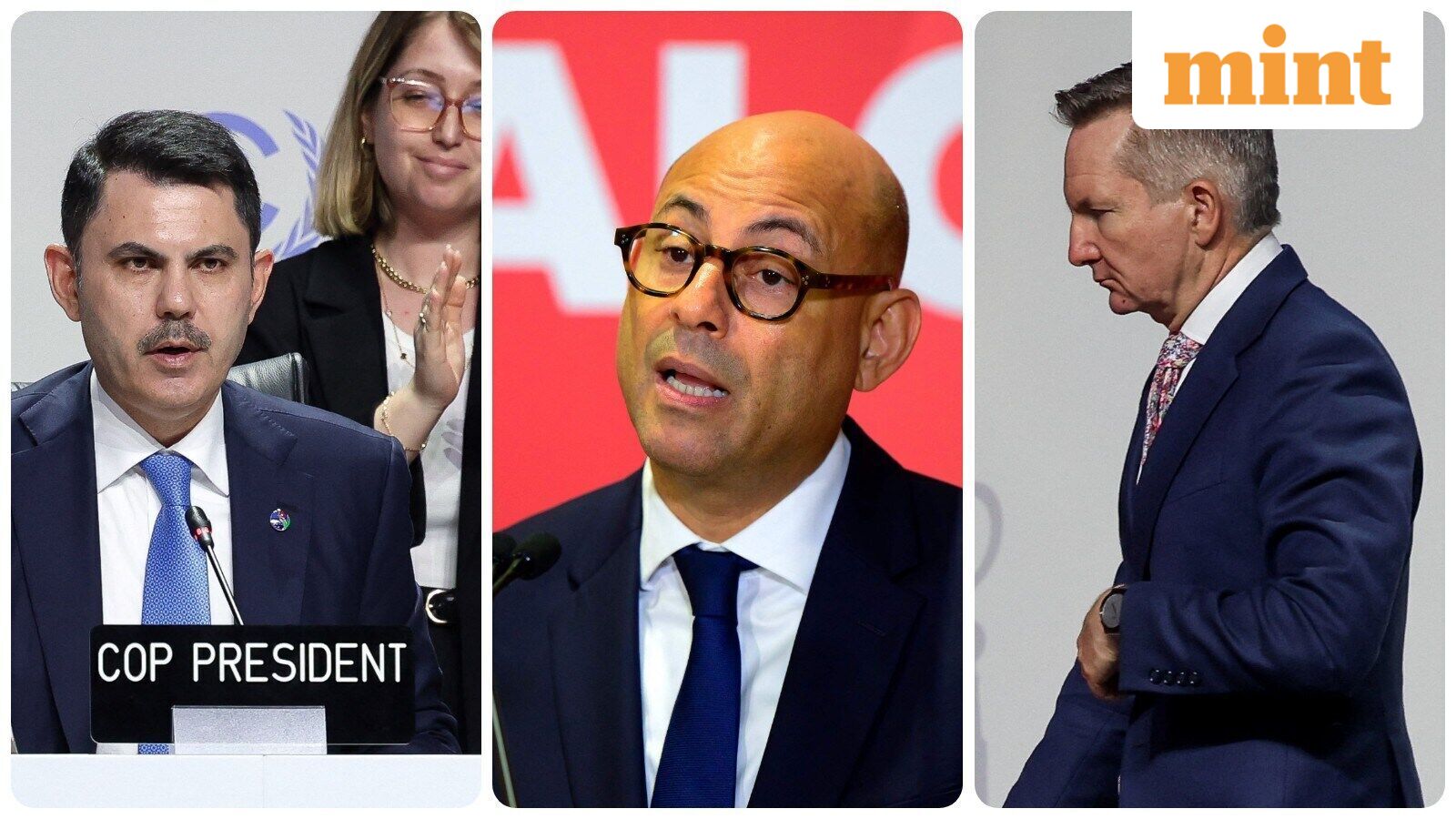
The United Nations‑convened COP31 climate conference in Antalya, Turkey, concluded without a final agreement. The draft text, presented by COP31 presidents Turkey’s Murat Kurum and Australia’s Chris Bowen, was rejected by the European Union and several other countries. Critics said the proposal was too weak and made no reference to fossil fuels, the main driver of global warming.
Murat Kurum told the closing plenary that he would not advance any new text, stating, “There is nothing to do. We did all that we could.” He added that the conference would implement existing decisions and would not produce a new cover decision.
Chris Bowen described the outcome as “very disappointing,” citing disagreements over fossil fuels and climate finance as obstacles to a deal. He highlighted positive actions during the conference, such as the electrification pledge signed by more than 90 countries.
UN Secretary‑General António Guterres expressed deep disappointment, saying the science is clear but consensus was not reached. Ireland’s environment minister Darragh O’Brien said the EU could not support the draft because it omitted any mention of fossil fuels.
Belgium’s climate minister Jean‑Luc Crucke called the outcome difficult but not the end of multilateralism. UK Energy Secretary Miatta Fahnbulleh also expressed disappointment, noting the need for bold ambition.
Saudi Arabia and other major oil‑producing nations lobbied to keep fossil fuels out of the text, arguing that all solutions must remain on the table. A Saudi delegation spokesperson said, “We believe that climate change requires all solutions on the table.”
China’s Vice Minister of Ecology and Environment, Li Gao, said the failure to reach consensus meant missing opportunities for many developing countries but did not view it as a failure of the multilateral process.
The EU delegation stated it would not endorse a cover decision that does not mention fossil fuels, calling the drafts “not even a step toward addressing the climate emergency.”
Brazil’s negotiator Liliam Chagas called for addressing overshoot, enhancing science, tripling adaptation finance, and restructuring the action agenda.
Delegations from the Philippines, Nepal, Vanuatu, Kenya, and the Least Developed Countries group all expressed that the draft fell short of scientific, legal, and vulnerable‑community needs. Vanuatu warned that the decision’s silence on fossil fuels and lack of a credible pathway to 1.5 °C was unacceptable.
Norway’s Climate Minister Sigrun Gjerland Aasland said the draft moves the world backward from previous agreements and that Norway cannot accept the proposed decisions.
Russia’s delegate Sergei Kononuchenko warned that reducing fossil‑fuel supply faster than demand could lead to emissions increases and energy poverty, and therefore opposed any formulation on fossil fuels.
Kenya’s delegation reaffirmed its commitment to multilateralism but demanded that the decision address Africa’s special needs and call for the necessary finance.
The conference, which ran two days longer than scheduled, became the longest‑running COP session in history. No consensus was reached on an overarching outcome, leaving the future of COP32 uncertain.
Frequently asked questions
Why was the COP31 draft text rejected?
The EU and several other countries said the proposal was too weak and made no reference to fossil fuels, the main driver of global warming.
Who were the COP31 presidents?
Turkey’s Murat Kurum and Australia’s Chris Bowen.
How long did COP31 run?
It ran two days longer than scheduled, becoming the longest‑running COP session in history.