Space
Orionid Meteor Shower Peaks Oct. 21‑22; Cloud Cover Varies by Region
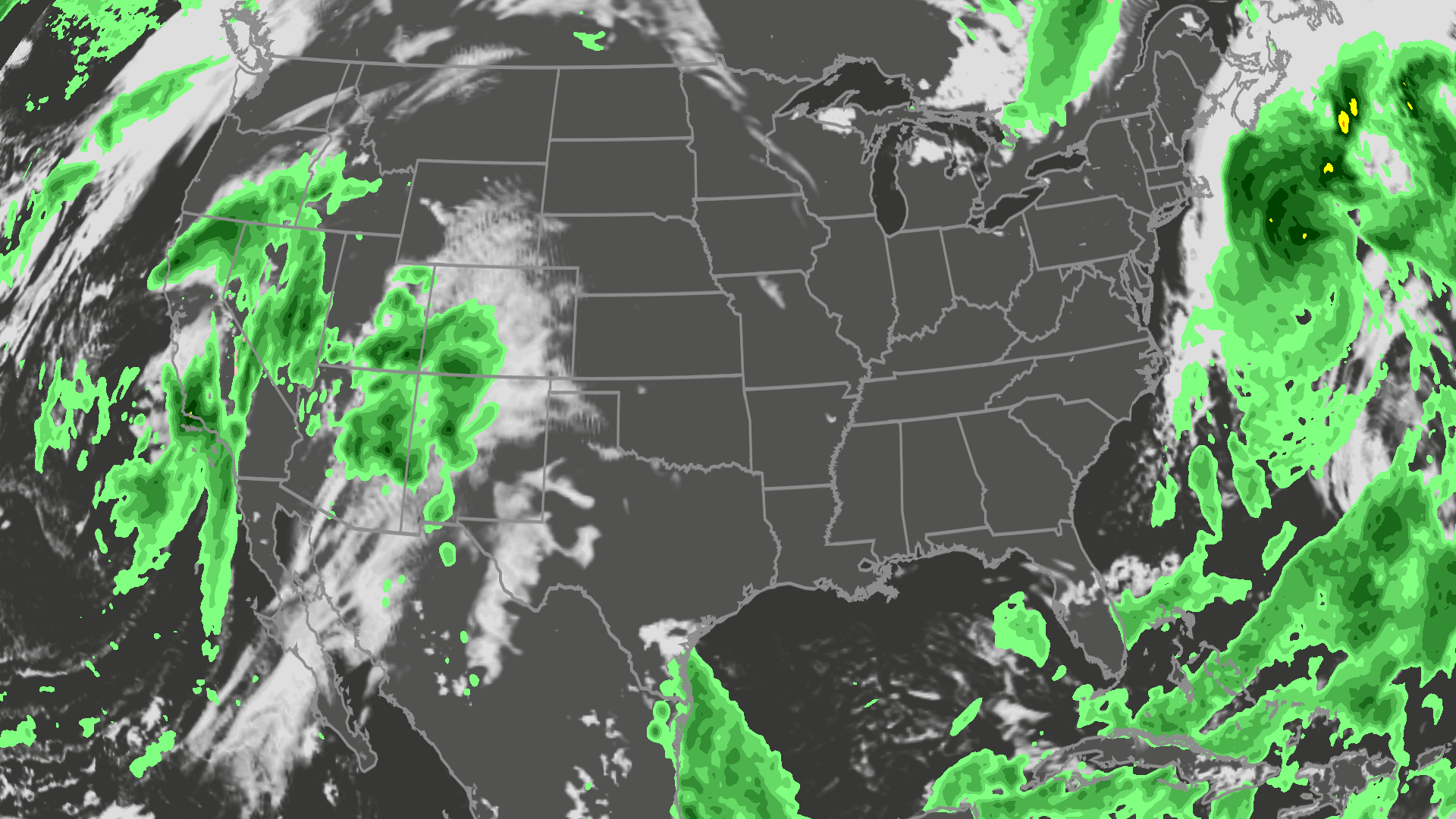
The Orionid meteor shower will reach its peak on the night of Wednesday, Oct. 21, into the early hours of Thursday, Oct. 22. The best viewing times are from midnight to dawn, when the meteors—known for their brightness and speed of about 41 miles per second—can leave glowing trails that last several seconds to minutes.
Weather forecasts suggest that many areas of the central and eastern United States will have clear skies in the early morning hours of Thursday, offering good conditions for stargazers. However, cloud cover could affect several regions: - The Four Corners area, a popular dark‑sky destination, may experience thicker clouds, reducing visibility. - Parts of the West Coast—including California, Oregon, and Washington—could see cloudiness, though some pockets may remain clear. - The mid‑Atlantic and Northeast appear clear for now, but a nor’easter off the East Coast is expected to linger through mid‑to‑late week, with the thickest clouds projected from New York City to New England. - Tropical moisture is expected to bring rain and storms to the West, raising flood risk in California, Nevada, and the Four Corners on Wednesday and Thursday, which could make skywatching difficult in those areas.
For those with favorable forecasts, tips for viewing include choosing a dark location away from city lights, bringing a blanket or chair, lying flat with feet facing southeast, allowing 30 minutes for the eyes to adjust, and enjoying the prolonged display.
Caitlin Kaiser, a digital meteorologist with weather.com, holds both undergraduate and graduate degrees in Earth and Atmospheric Sciences from the Georgia Institute of Technology.