Space
Mars and Jupiter Align 1.2° Apart on 15‑16 November, While Meteor Showers and a Supermoon Light Up the Sky
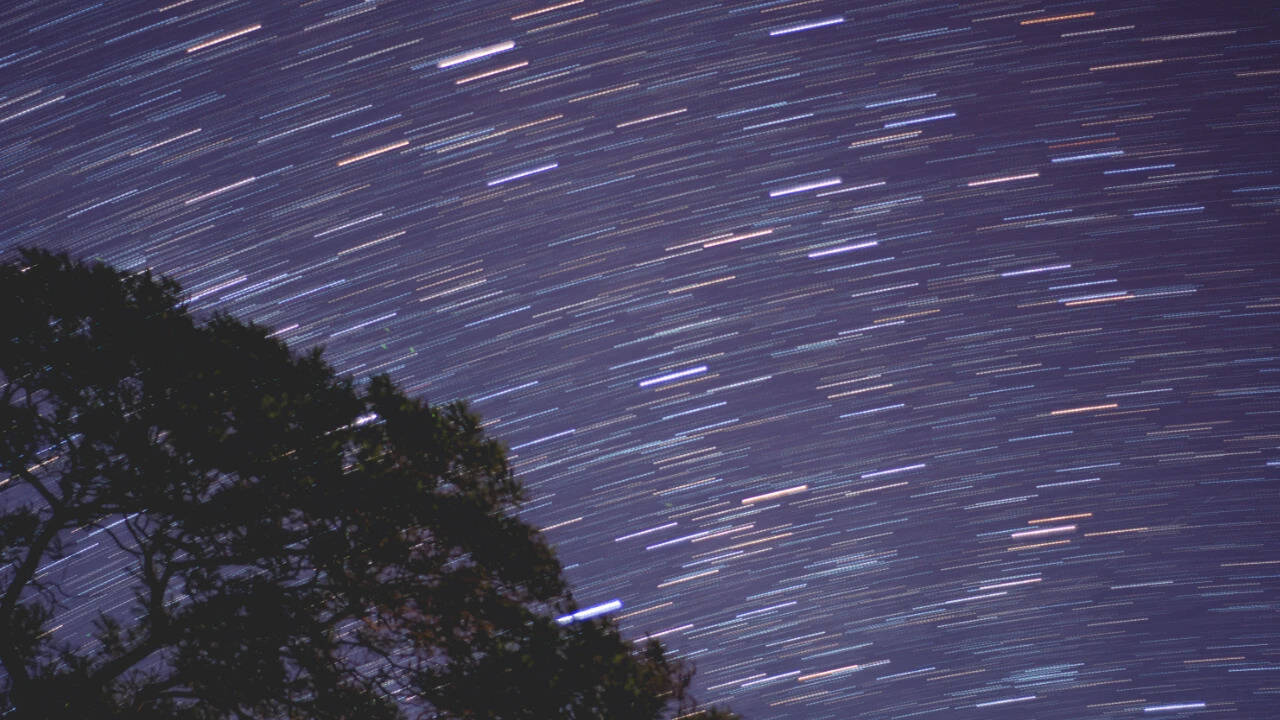
Skywatchers will have a busy November. NASA’s skywatching guide lists three meteor showers and a full supermoon. The Northern Taurids peak around 12 November, producing about five meteors per hour under ideal conditions. The Leonids are expected to peak on 17 and 18 November, with up to 15 meteors per hour before dawn after moonset. The full supermoon will occur on 24 November, the first of three consecutive supermoons.
On the mornings of 15 and 16 November, Mars and Jupiter will appear in the southeastern sky about 1.2 degrees apart, a separation slightly wider than two full moons side by side. The planets will be low in the sky, so an unobstructed horizon and dark surroundings are best for viewing. Jupiter, the brighter of the pair, will be easier to spot; Mars, with its reddish hue, will be nearby.
On 17 November, NASA’s Voyager 1 spacecraft will reach a distance of one light‑day from Earth, the first human‑made object to do so. NASA is marking the milestone with a Shine Bright for Voyager’s Light‑Day activation.
These events provide several opportunities for stargazers to enjoy the night sky this month.
Frequently asked questions
When do the Northern Taurids meteor shower peak?
Around 12 November, producing about five meteors per hour under ideal conditions.
When will the full supermoon occur in November?
On 24 November, the first of three consecutive supermoons.
When will Mars and Jupiter appear 1.2° apart in the sky?
On the mornings of 15 and 16 November.