Space
November Sky Highlights: Supermoon, Meteor Showers, and Planetary Alignments
By Today News Hours Editorial Desk
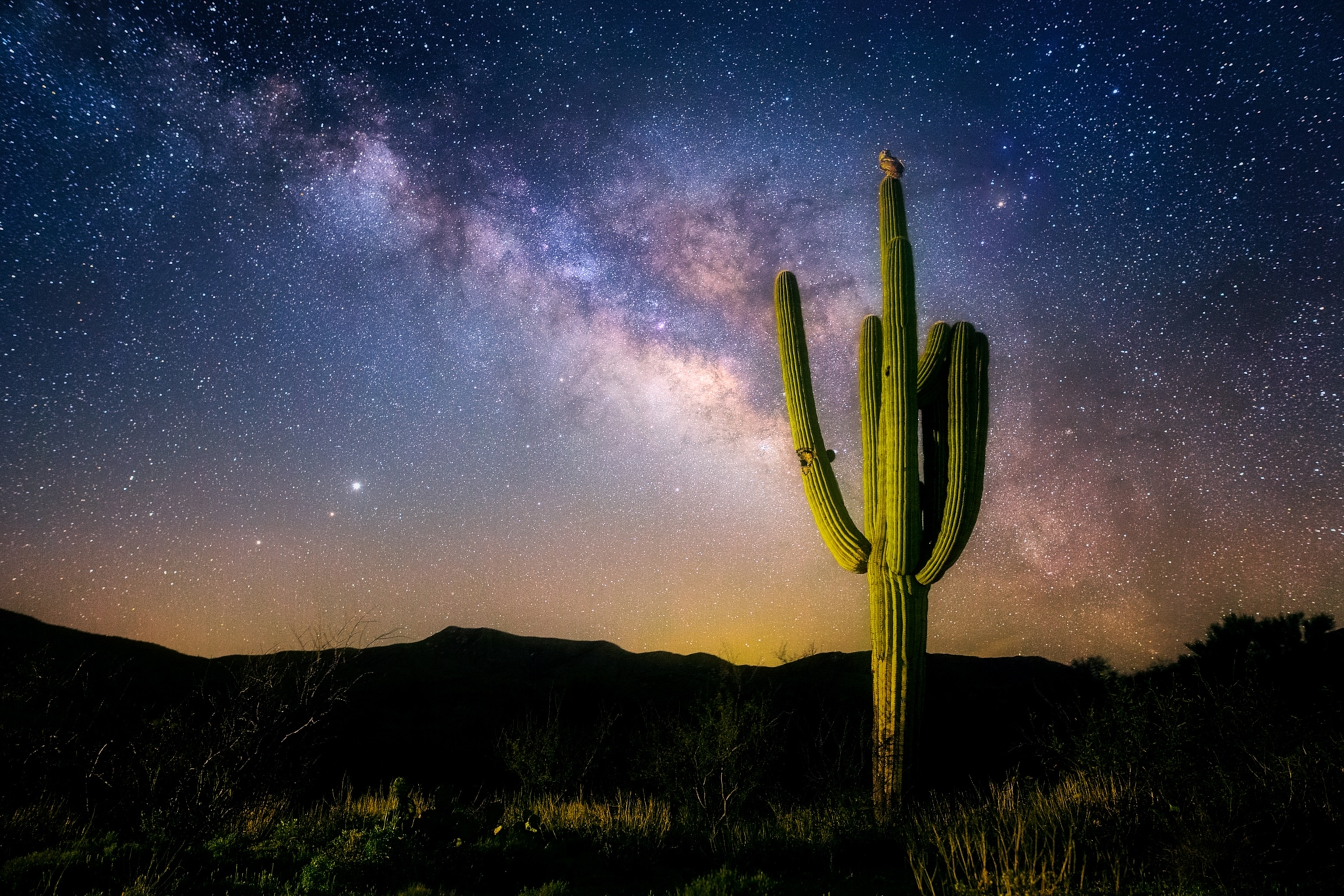
Three meteor showers will illuminate November’s skies, while five planets will be visible throughout the month. The first of three consecutive supermoons of 2026 arrives just before Thanksgiving. Northern lights displays remain strong, with more expected as winter dark hours begin, especially in northern regions such as Iceland and Norway.
Moon, Mars, Jupiter Alignment – November 2‑3 At about midnight on November 2 and 3, the moon, Mars and Jupiter will line up above the eastern horizon. The trio will rise higher through the night, staying within roughly six degrees of each other on November 2. Regulus, the brightest star in Leo, will be visible just below them. The Beehive Cluster in Cancer can be found by following the line of the three objects.
Taurid Meteor Showers – November 4‑5 and 11‑12 The Southern Taurids peak overnight from November 4 to 5, and the Northern Taurids peak from November 11 to 12. Both streams produce about five meteors per hour. With a dim moon, the showers are easier to see after midnight when the Taurus constellation is highest.
New Moon – November 9 The new moon on November 9 provides dark skies ideal for viewing deep‑sky objects such as the Orion Nebula and Andromeda Galaxy.
Planet Parade – November 14‑16 From roughly November 14 to 16, Mars and Jupiter will appear in the southern sky within about one degree of each other. Mercury and Venus will rise before the sun above the southeast horizon. Uranus will also be visible, though it requires strong binoculars or a telescope.
Leonid Meteor Shower – November 17‑18 The Leonids peak overnight from November 17 to 18. The shower is mild, with up to a dozen meteors per hour under dark skies, best seen after midnight.
Mercury’s Greatest Western Elongation – November 20 Mercury will be most visible around November 20 when it reaches its greatest western elongation. It will rise before sunrise above the southeast horizon, near bright Venus.
Supermoon – November 24 The full beaver supermoon on November 24 will appear up to 30 % brighter and 14 % larger than at apogee. The best viewing times are at moonrise or moonset during sunset or sunrise, when the moon illusion makes it appear larger.
Uranus at Opposition – November 25‑26 Uranus reaches opposition on November 25, making it slightly easier to observe with telescopes or binoculars near the Pleiades cluster.
Frequently asked questions
When does the first supermoon of 2026 occur?
The full beaver supermoon occurs on November 24.
Which meteor showers peak in early November?
The Southern Taurids peak overnight from November 4 to 5, and the Northern Taurids peak from November 11 to 12.
When will Mars and Jupiter be close together in the sky?
They line up on November 2-3 and again appear within about one degree of each other from November 14-16.