
In a complex diplomatic moment, the United States has opened two separate and very different peace negotiations — one with Iran and another aiming to address the ongoing war in Ukraine — highlighting the challenges of modern geopolitics.
On Tuesday in Geneva, Washington hosted two sets of negotiations back-to-back, described by experts as a form of international “diplomatic speed dating.” The first talks with Iran concluded in under four hours, with both sides agreeing to draft competing proposals but failing to reach common ground on key issues. This brief session underscored how difficult it remains to bridge deep mistrust between Washington and Tehran, particularly over the nuclear programme and other strategic concerns.
The second track focused on the long-standing war in Ukraine, where U.S. efforts are centred on encouraging a negotiated end to hostilities. These discussions, expected to proceed over multiple days, reflect the reality that ending an active war — involving territorial disputes, security guarantees and political concessions — is far more complex than skirting around the edges of potential conflict.
For Iranian leadership, abandoning talks could risk a military confrontation that neither side wants, particularly given the heavy deployments and naval presence in the region. For the United States, a military strike carries its own burdens, as the aftermath of prior strikes on Iran’s nuclear infrastructure showed that military victories don’t easily translate into long-term political solutions.
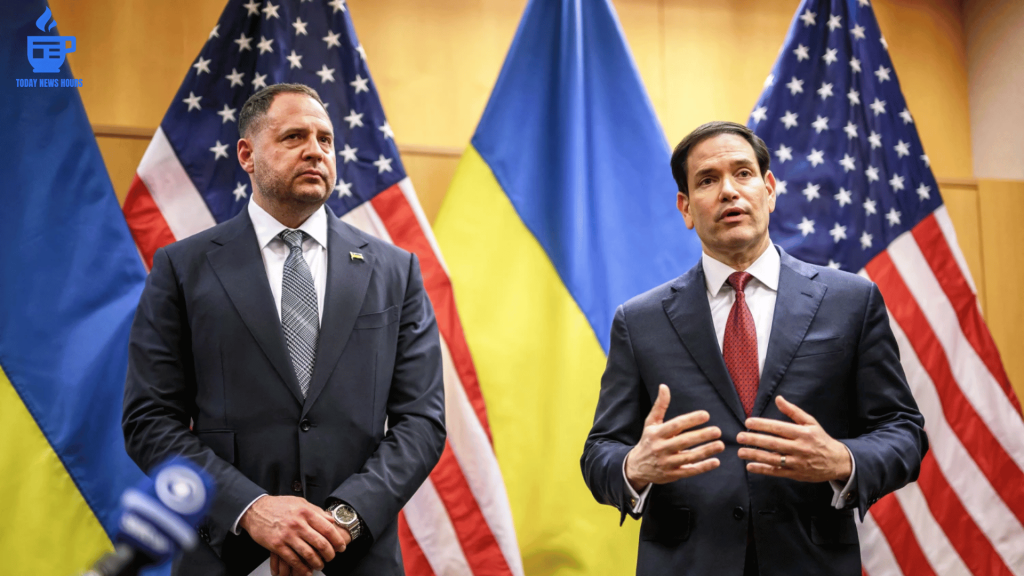
Analysts say the contrast between the two dialogues is stark yet telling: negotiating an end to an ongoing war requires sustained engagement, compromise, and trust — elements that are not easily cultivated. Meanwhile, the shorter burst of Iran talks, which ended without a deal, highlights the awkward balance between maintaining pressure and keeping diplomatic doors open.
The dual track approach underscores a broader U.S. strategy — blend diplomacy with broader strategic leverage — while navigating the geopolitical pressures of competing peace demands. Whether these efforts yield tangible results remains uncertain, but they reflect Washington’s attempt to address multiple global challenges simultaneously.

