
New Delhi: In a significant development, the Election Commission (EC) of India confirmed that over 1.3 lakh voters in West Bengal have been left unmapped due to technical errors. As a result, these voters will not be issued any notices for hearings.
The issue arose from discrepancies between the voter details listed in the Blo application and the hard copy of the electoral roll. According to the EC’s directive, voters whose names could not be matched in the application and those marked as “unmapped” in the system, but listed in the hard copy of the 2002 electoral roll, would not receive a hearing notice.
A key part of the problem stems from technical glitches during the digitization process. The conversion of the 2002 electoral roll’s PDF caused sporadic errors, making it impossible for some voters to be properly linked in the system. Despite being part of the official records, their names were flagged as “unmapped” in the system.
Clarification on Procedures
The Election Commission further clarified that these voters, although unmapped in the system, have a link to the hard copy of the 2002 roll through self or progeny linkage. The authorities have assured the public that despite the glitch, these voters remain part of the system.
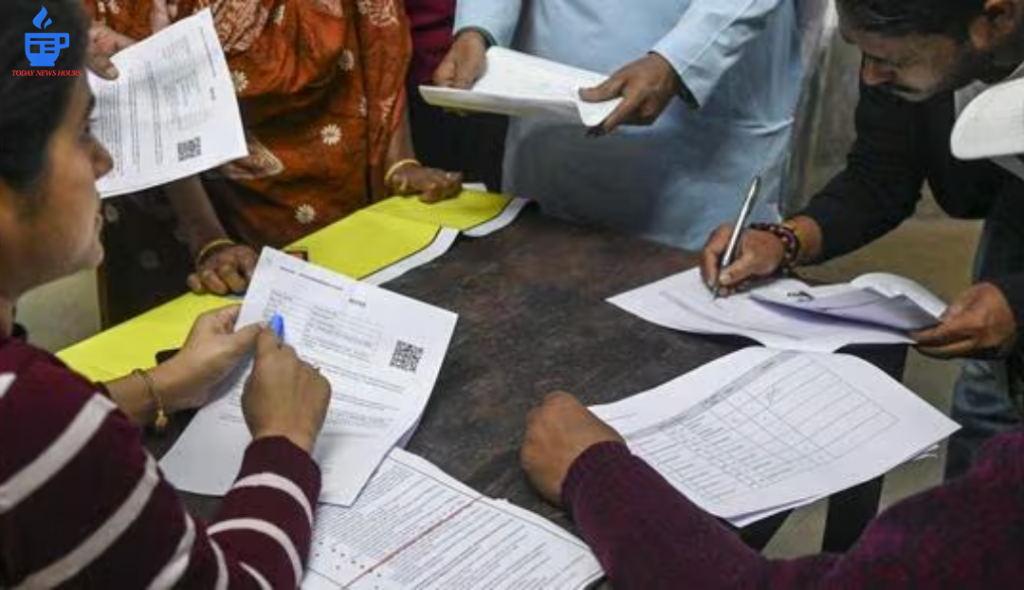
To resolve the issue, the EC has instructed Booth Level Officers (BLOs) to go to the field, take photos of such voters, and upload the images along with the corresponding hard copy details of the electoral roll.
This notification comes at a time when the state is preparing for the upcoming electoral processes, and authorities are working towards ensuring that all voters are accurately listed.
Impact on the Electoral Process
Although no hearing will be given to the affected voters at this point, the Election Commission has emphasized that those whose names were removed or marked unmapped still have a chance to correct any errors. The EC urges voters to verify their information to avoid further issues closer to the election date.
The error in the voter mapping system highlights the challenges of digitizing and modernizing electoral rolls, but it also raises questions about ensuring technological solutions are robust and transparent enough to avoid any disenfranchisement.

