
The United States has imposed tariffs of up to 126 percent on certain solar imports from India, a move that could strain ongoing trade discussions between the two countries. The decision comes at a time when India and the US have been exploring ways to strengthen bilateral economic ties and expand clean energy cooperation.
The tariffs are linked to trade investigations concerning alleged unfair pricing and subsidy practices in the solar manufacturing sector. US authorities argue that the measures are intended to protect domestic manufacturers from what they describe as market distortions.
For Indian exporters, the steep tariff could significantly impact competitiveness in the American market. India has been a key supplier of solar modules and related components, and the US remains one of the world’s largest clean energy markets. Industry analysts warn that such high duties could slow exports and disrupt supply chains.
The development also introduces uncertainty into broader trade negotiations between the two nations. Both sides have been working toward resolving long-standing trade irritants, and the imposition of fresh tariffs may complicate those efforts. Observers note that trade tensions in the renewable energy sector have surfaced before, but the scale of the current tariff is particularly notable.
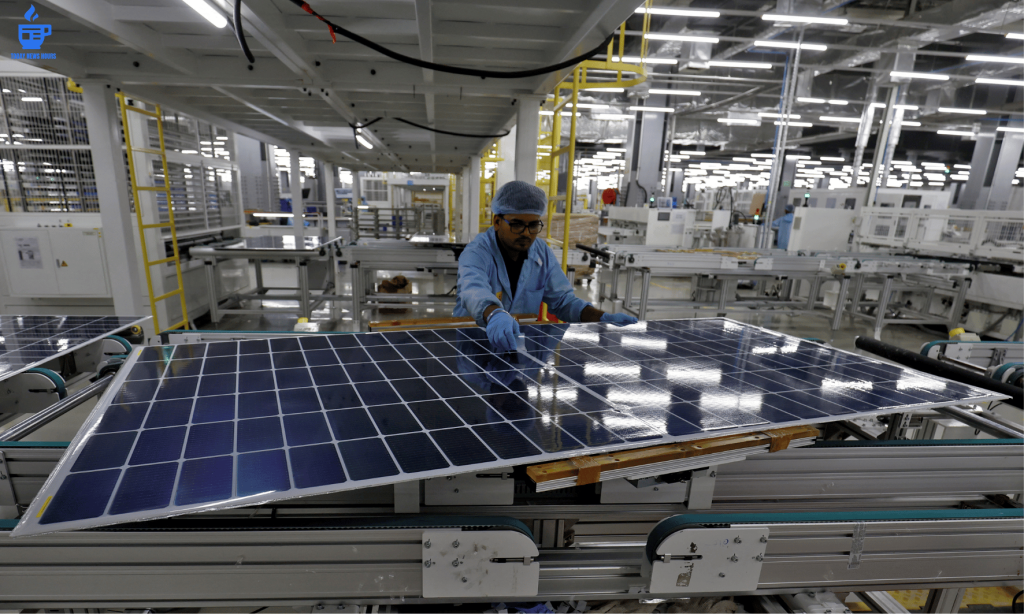
Solar industry stakeholders in India have expressed concern that the move could undermine investment momentum in the renewable sector. At the same time, some US policymakers maintain that safeguarding domestic production is critical to national energy security and job creation.
Despite the setback, experts believe diplomatic channels will remain active, given the strategic importance of India-US relations across defence, technology and climate cooperation. Whether the tariff measure leads to prolonged trade friction or becomes a bargaining chip in negotiations remains to be seen.

