
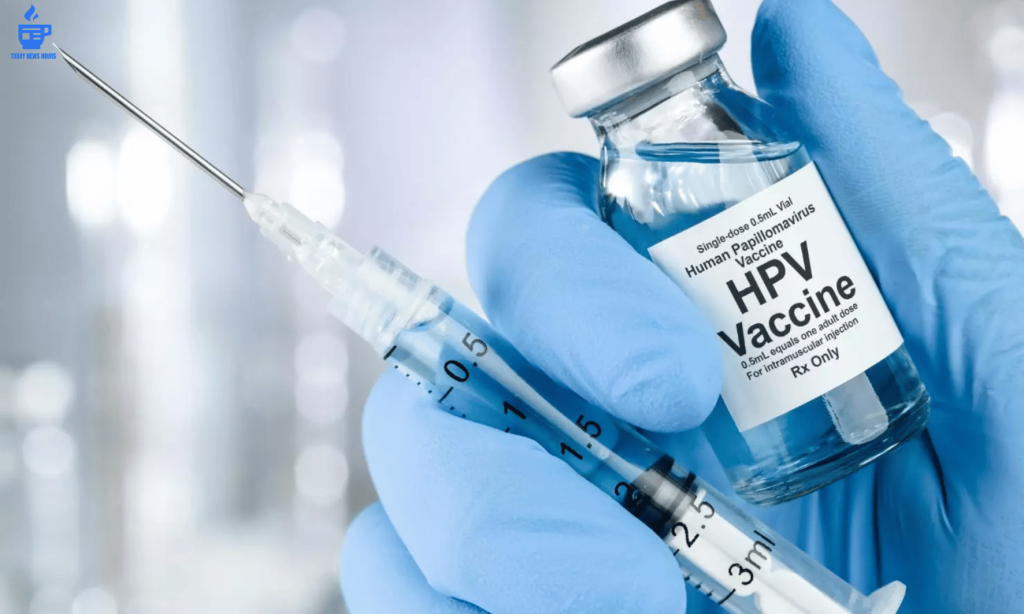
India’s expanding Human Papillomavirus (HPV) vaccination programme is more than just another public health initiative — it is a meaningful step toward protecting millions of young girls from a largely preventable disease.
For decades, cervical cancer has silently affected thousands of women across India. It remains one of the leading causes of cancer-related deaths among women in the country. What makes this especially tragic is that it is largely preventable — through awareness, screening, and most importantly, vaccination.
That is why the momentum behind India’s HPV vaccination drive deserves appreciation.
Why HPV Vaccination Is So Important
HPV is a common virus. In many cases, it clears up on its own. But certain high-risk strains can lead to cervical cancer and other serious conditions.
The good news? Vaccination significantly reduces that risk.
By vaccinating adolescent girls before exposure to the virus, we can dramatically cut future cervical cancer cases. Countries that adopted HPV vaccination early have already seen remarkable declines in infections and related cancers.
India stepping up its vaccination coverage is not just a health decision — it’s a long-term investment in women’s well-being.
A Shift Toward Prevention, Not Just Treatment
Historically, much of India’s healthcare system has focused on treating illnesses after they appear. While treatment remains critical, preventive healthcare saves both lives and resources.
HPV vaccination reflects a growing shift in mindset:
- Protect early
- Educate families
- Reduce disease burden
- Strengthen future generations
Preventing cervical cancer before it starts is far more effective — and humane — than fighting it later.
Access and Awareness: The Real Test
Rolling out vaccines is one thing. Ensuring they reach everyone is another.
For this programme to truly succeed, two things matter deeply:
1️⃣ Widespread Availability
Vaccines must be accessible not just in cities, but in rural and underserved communities as well. Cold storage systems, trained staff, and school-based outreach will be key.
2️⃣ Public Trust and Awareness
Misinformation about vaccines still exists. Many families may not understand what HPV is or why vaccination is important for young girls.
Clear communication — through schools, healthcare workers, and community leaders — will help build trust and confidence.
The Bigger Picture: Empowering Women Through Health
When a young girl is vaccinated against HPV, she is being protected from a serious health risk later in life. That protection translates into:
- Lower medical costs for families
- Reduced strain on hospitals
- Greater health security
- More confidence and opportunity for women
Healthy women build healthier families and stronger societies.
Challenges That Cannot Be Ignored
While the programme is commendable, it must remain consistent and well-supported. Challenges like funding, awareness gaps, and logistical barriers need sustained attention.
This is not a one-time campaign — it requires long-term commitment.
A Step Worth Celebrating
India’s HPV vaccination push sends a powerful message: prevention matters.
By prioritising cervical cancer prevention, the country is choosing to safeguard the future health of millions of women. It reflects progress, responsibility, and compassion in public health planning.
There is still work to do — but this initiative is undeniably a step in the right direction.

