Climate & Environment
UK Farmers Face Mounting Losses as Worst Drought in 50 Years Threatens Food Security
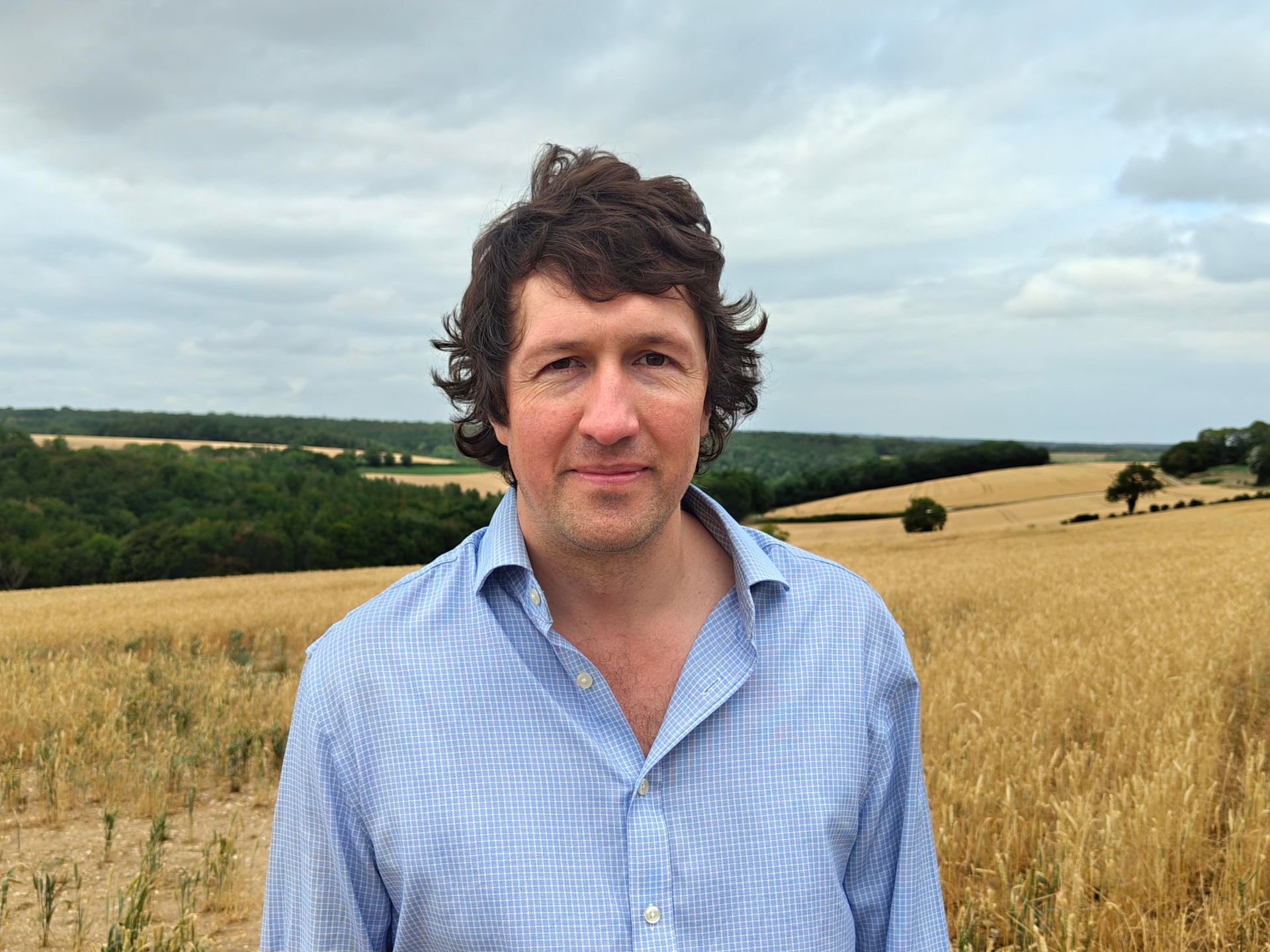
Farmers across the United Kingdom are grappling with severe financial losses after a prolonged drought and record heatwaves devastated crops this summer, raising concerns about the country's water security and food supply.
In south Buckinghamshire, farmer Alex Nelms watched his wheat crop collapse within days after temperatures exceeded 35 degrees Celsius (95 degrees Fahrenheit) in May, just as the plants entered their critical grain-filling stage. Nelms manages more than 2,000 acres (809 hectares) of arable land on a farm his grandparents established in 1955. His uncle, who has run the operation for over 40 years, experienced the worst harvest of his career this year.
"It just killed everything stone dead," Nelms told Al Jazeera. "Everything was finished really early, and when we were sort of full of optimism and hope, it was scuppered almost overnight."
According to the Department for Environment, Food and Rural Affairs (Defra), 71.3 percent of England remained in drought as of last month. August rainfall reached only 34 percent of typical levels for that point in the month, while reservoir levels stood 18.2 percentage points below seasonal norms.
Nelms's farm, located in the Chiltern Hills and lacking irrigation infrastructure, is down approximately 1,000 tonnes from its average harvest — a shortfall estimated at $270,000 in lost revenue. "We're totally reliant on Mother Nature," he said, noting that a third difficult year in a row could force him into tough discussions with his bank and landlord, potentially leading to reduced food production as he shifts toward minimizing risk rather than maximizing yield.
The National Farmers' Union (NFU) has described the situation as a "financial crisis point," citing the worst drought in 50 years, low harvests, stunted grass growth, rising fuel and fertilizer costs, and a significant bluetongue disease outbreak among livestock. The organization estimates wheat production losses at roughly $499 million, with an additional $45 million needed to cover forage shortfalls.
NFU president Tom Bradshaw said farmers currently have no "breathing space" and remain vulnerable to geopolitical disruptions, extreme weather, animal disease, and global conflicts. He called for immediate government action to secure the future of British agriculture.
In response, Nelms is diversifying his operations by planting oilseed rape on about 350 acres (142 hectares) for the first time in two decades. However, the crop now faces increased risk since neonicotinoid seed treatments — previously used to protect against pests — have been banned, leaving it vulnerable to cabbage stem flea beetles and game birds. The move also breaks a continuous wheat rotation that had helped control a soil-borne disease known as "Take-all."
Nelms is advocating for tax incentives to support investment in grain storage and diversified income streams, along with government-backed bridging loans similar to those offered during the COVID-19 pandemic, to help farmers survive difficult years without lasting damage. The NFU is pushing for similar measures nationally, including an interest-free "Keep Britain Growing" loan tied to drought-related losses, assistance with costs of disposing of livestock lost to bluetongue, expedited planning permissions for on-farm reservoirs, and clearer regulations for water access.
Philip Duffy, chief executive of the Environment Agency, said in a statement shared by Defra that "drought conditions will continue to worsen until we receive sustained rainfall across the country," adding that everyone has a role in conserving water supplies. The Environment Agency has requested a drought order to limit water extraction from the River Severn, and ten water companies serving 30 million customers have already implemented usage restrictions.
Duffy noted that "a few days or even weeks of wetter weather cannot reverse the impacts of several months of exceptionally dry conditions." Defra reported that while some rain has fallen recently — the first meaningful precipitation since June — it has been inconsistent, meaning reservoirs and groundwater levels continue to decline despite brief increases in some river flows.
Despite these challenges, Nelms remains optimistic about collaboration among farmers, pointing to the Central Chiltern Farmer Cluster, where growers share labor, equipment, and market access. "We're working together, not competing with each other," he said.
For farms like his that lack irrigation systems or water reserves, the inconsistent rainfall poses a particular challenge — parched soil must absorb sustained precipitation before groundwater can begin recharging, a necessary step before reservoirs can refill for future harvests.
Water Minister Emma Hardy, who leads the National Drought Group, acknowledged last month that "our climate has changed," adding that the government "will continue to take all action necessary."