Climate & Environment
Ancient Peruvians Showed Rare Violence Despite El Niño Floods, Study Finds
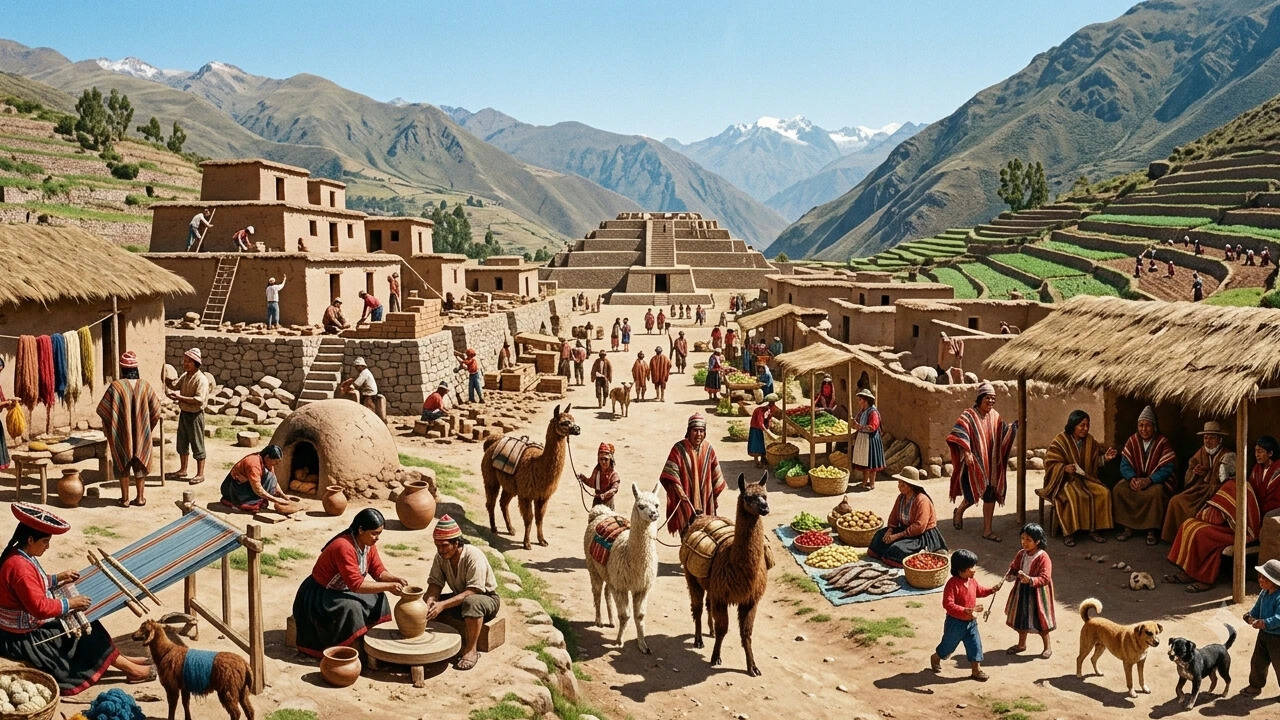
Researchers from New York University and George Mason University examined more than 1,500 skeletons from 30 sites in Peru’s Lambayeque Valley that span over 3,000 years. The study, published in *Frontiers in Environmental Archaeology*, aimed to determine whether climate disasters such as drought, flooding, or famine triggered widespread violence. The team looked for cranial trauma, a marker of interpersonal violence, and postcranial trauma, a marker of accidental injury, and compared the findings with evidence of rainfall and water availability. Only 25 individuals (1.6 %) showed signs of violence, while 77 (5.1 %) displayed accidental trauma. Neither type of injury correlated with periods of ecological instability, and sex did not predict violence. The authors note that violence was far less common in Lambayeque than in other Andean sites where cranial trauma rises during climatic upheaval. They suggest that the valley’s coastal access may have mitigated scarcity pressures or that social organization limited bloodshed. Dr Thomas Snyder of New York University said the study highlights that “widespread violence isn’t a predetermined response to climate change.” Dr Haagen Klaus of George Mason University added that “violence and social unraveling are not destined outcomes.” The research underscores that ancient societies in the Lambayeque Valley adapted creatively to El Niño and other long‑term climate changes without resorting to widespread violence.
Frequently asked questions
How many skeletons were examined in the study?
More than 1,500 skeletons from 30 sites were examined.
What percentage of individuals showed signs of violence?
Only 25 individuals, or 1.6%, showed signs of violence.
Did climate events correlate with increased violence?
No, neither violence nor accidental trauma correlated with periods of ecological instability.