Climate & Environment
South Carolina Woman Secures 146‑acre Family Farm with Conservation Easement
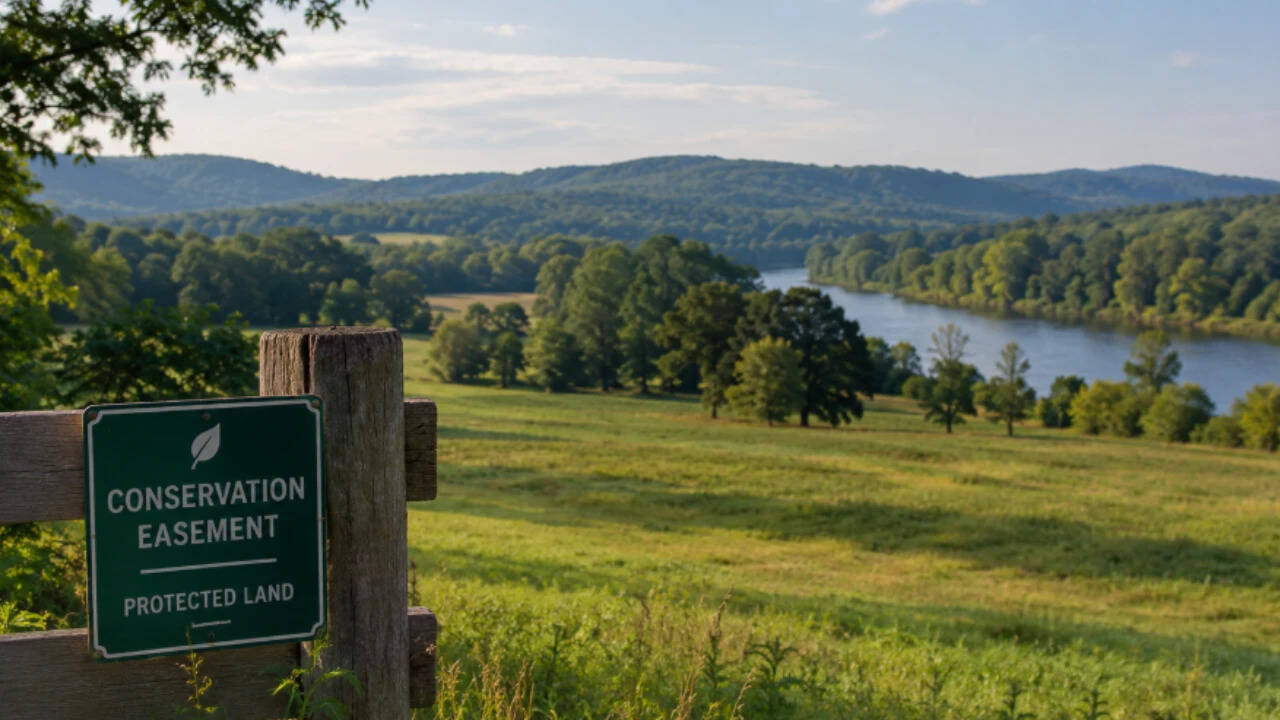
Alice Smith of Pickens County, South Carolina, has placed her family’s 146‑acre property, known as Duck Haven, under a conservation easement, permanently preventing future development. The easement allows the Smith family to retain ownership while imposing permanent restrictions on construction. Smith said she had promised her mother that she would keep the land together.
The property, which was purchased by Smith’s grandparents in the 1940s, has rolling fields that connect to the Saluda River and was largely farmland at the time of purchase. By choosing a conservation easement instead of accepting development offers, Smith has ensured that the restrictions will remain in place even after her lifetime.
Smith is one of two landowners in Upstate South Carolina who have recently protected more than 250 acres of family‑owned land through easements arranged with the non‑profit Upstate Forever. The other property, Moore Farm, covers 110 acres in Greenville County and belongs to Ed Lomas’s family. Upstate Forever now safeguards more than 40,000 acres across 10 counties.
A conservation easement is a legal agreement that allows property owners to retain ownership while placing permanent restrictions on development. These restrictions continue to apply even if ownership of the property changes. Upstate Forever acts as the long‑term steward of the property.
Ed Lomas explained that the decision to secure the easement for Moore Farm was influenced by a family friend’s situation, where older relatives could no longer manage the land and feared it would be sold for development. Lomas said the agreement would protect the farm and prevent his children from being pressured to sell.
Conservation easements can also provide financial benefits. The value of an easement is calculated by comparing the property’s fair market value before and after restrictions are imposed. The difference is treated as a charitable donation, allowing landowners to claim a federal tax deduction for up to 15 years. South Carolina offers state tax credits of up to $250 per acre and may provide additional financial support from the South Carolina Conservation Bank.
Both Smith and Lomas hope their actions will encourage other families to consider protecting their properties. Smith said she is not wealthy or well‑connected but believes that protecting family land is possible for anyone. She added that the easement will preserve her family’s legacy even after she is gone.
Frequently asked questions
What is a conservation easement?
A legal agreement that allows property owners to retain ownership while placing permanent restrictions on development, with restrictions continuing even if ownership changes. Upstate Forever acts as the long‑term steward.
What financial benefits can a conservation easement provide?
The easement’s value is calculated by comparing the property’s fair market value before and after restrictions. The difference is treated as a charitable donation, allowing landowners to claim a federal tax deduction for up to 15 years. South Carolina offers state tax credits of up to $250 per acre and may provide additional support from the South Carolina Conservation Bank.
How many acres of family-owned land have been protected by Upstate Forever?
Upstate Forever safeguards more than 40,000 acres across 10 counties, and two landowners recently protected more than 250 acres of family‑owned land through easements.