Climate & Environment
EPA Finds No Increase in Lead Levels After Army Detonation in Iowa
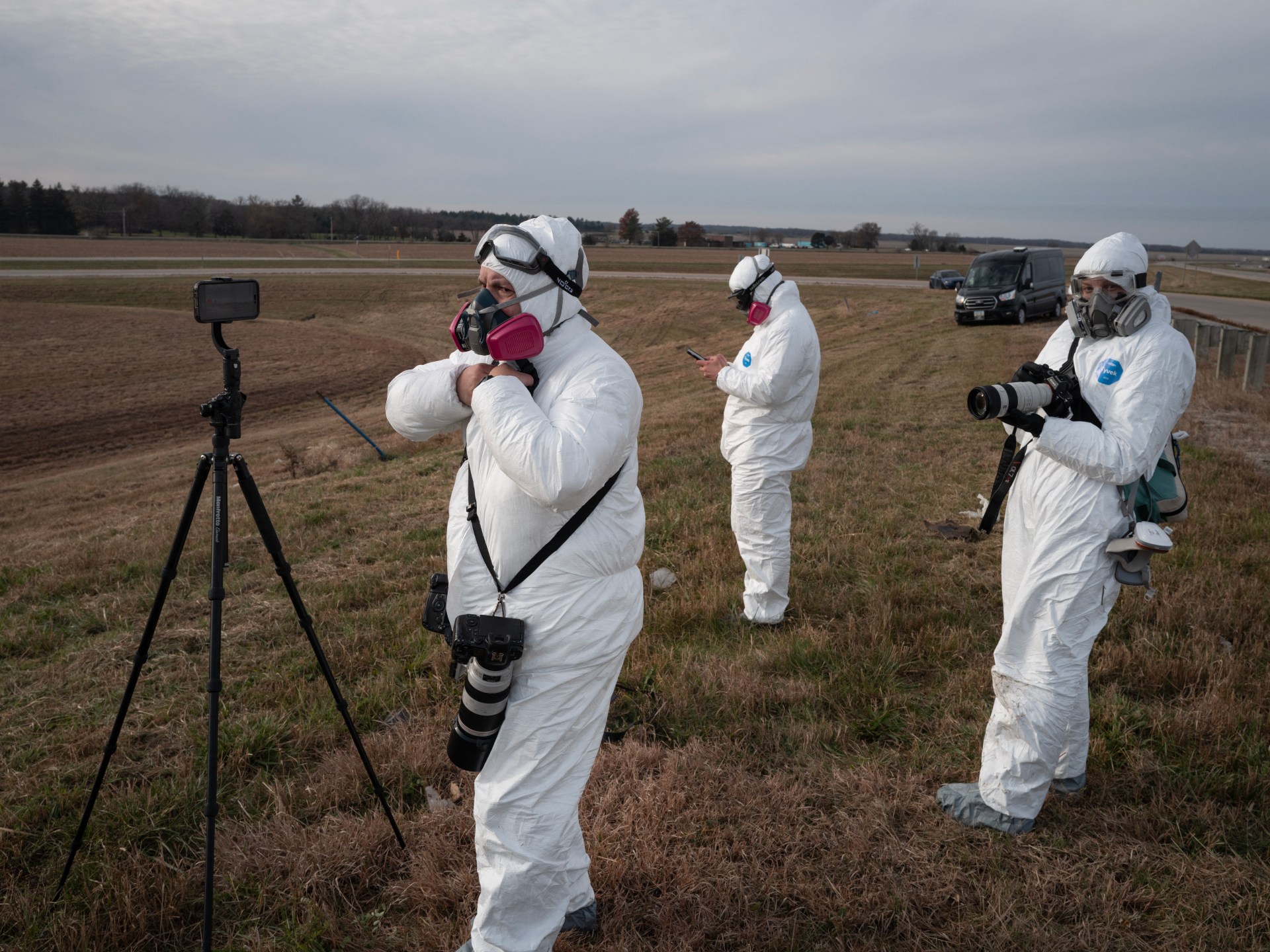
The U.S. Environmental Protection Agency (EPA) reported that the controlled detonation of nearly five tonnes (4,500 kg) of lead azide at an Army munitions depot in Middletown, Iowa, did not raise lead concentrations in the region’s drinking‑water sources. The Army detonated the material stored in 68 degrading plastic drums in two simultaneous explosions on Thursday. The EPA released laboratory results on Saturday, three days after the event. About 300 people collected samples from schools, playgrounds, churches, and homes before and after the detonation, yielding more than 1,500 samples of air, water, soil, and dust. The agency monitored airborne lead for 30 consecutive hours using the Xact air monitoring system and plans to continue updating the public as additional lab results for over 3,200 samples are validated. Lead is a heavy metal that poses particular risks to children and pregnant women and does not break down once it enters the environment. Army commanders said the stockpile was degrading and could have exploded as temperatures dropped, so they chose to detonate it immediately. The detonation sparked concerns about environmental contamination and questions about the timing and transparency of the Army’s communication with the public. Residents of Middletown were aware of the plans, but many others were not until days before the detonation. Independent experts noted that while the initial air‑quality readings were reassuring, the true assessment of lead fallout will come from water, soil, and structural surface sampling, which will take longer to analyze.
Frequently asked questions
How much lead azide was detonated at the Middletown depot?
Nearly five tonnes, about 4,500 kg.
Did the detonation increase lead levels in local drinking water?
No, EPA found no rise in lead concentrations in the region’s drinking‑water sources.
How many samples were collected for testing after the detonation?
Over 1,500 samples of air, water, soil, and dust were collected, with more than 3,200 samples validated later.