Climate & Environment
Delhi’s Diwali Air Quality Spike Attributed to Both Fireworks and Vehicles, Study Finds
By Biju Mathew
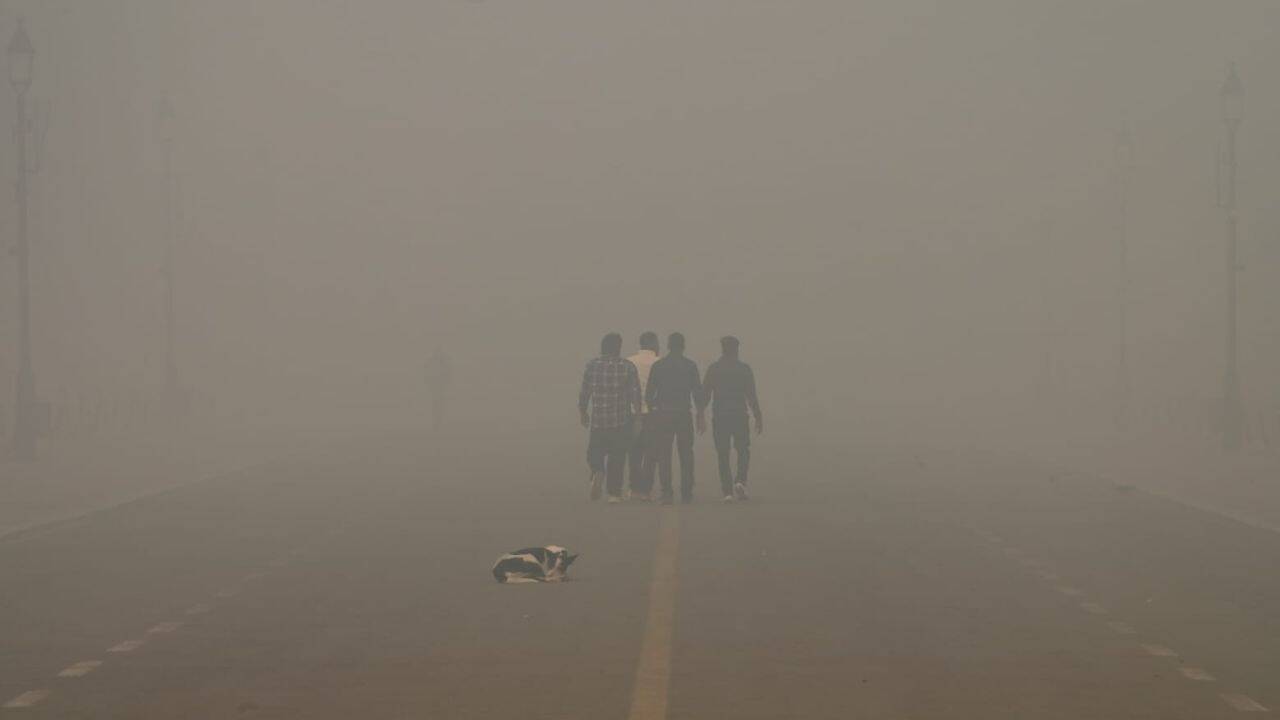
The Indian Institute of Tropical Meteorology (IITM) has released new data that shows Delhi’s Diwali pollution is driven by both fireworks and vehicular emissions. On October 24, vehicles accounted for 25 % of the city’s PM2.5 pollution, with secondary organic aerosols at 18.4 %, secondary inorganic aerosols at 16.5 %, road dust at 10.9 % and waste burning at 5 %. On the day of the festival, November 8, transport emissions were the largest identified source, contributing 19 % to PM2.5 levels, according to IITM’s Decision Support System.
Fireworks produce a short‑term burst of fine particles and gases that can sharply worsen air quality. The Delhi Pollution Control Committee recorded a PM2.5 concentration of 760.99 µg/m³ at 11 pm on November 9 near Akshardham, an hourly reading that illustrates the intensity of the spike. The city’s Air Quality Index (AQI) was 382 on November 6, its worst pre‑Diwali reading in eight years, and averaged 376 on Diwali, rising to 368 at 7 am on November 9. Of the 54 monitoring stations that reported valid readings, 50 were above 300 and 15 entered the severe category.
Weather conditions also play a role. The Air Quality Early Warning System notes that dispersion is difficult when the ventilation index falls below 6,000 m²/s and average wind speeds are under 10 km/h. Low temperatures and temperature inversion can trap pollutants near the ground, meaning fireworks smoke remains in the atmosphere long after the celebrations.
The data suggest that neither fireworks nor vehicles alone can be blamed for the pollution. Fireworks cause a concentrated burst in an already stressed atmosphere, while vehicles contribute a persistent daily load. Addressing the Diwali spike will require restrictions on fireworks, but long‑term improvement depends on reducing transport emissions, controlling road dust and industrial pollution, and improving regional coordination.
Frequently asked questions
What percentage of Delhi’s PM2.5 pollution on Diwali day was attributed to transport emissions?
Transport emissions contributed 19% to PM2.5 levels on the day of the festival, according to IITM’s Decision Support System.
What was the highest recorded PM2.5 concentration near Akshardham during Diwali?
The Delhi Pollution Control Committee recorded a PM2.5 concentration of 760.99 µg/m³ at 11 pm on November 9 near Akshardham.
How many monitoring stations reported AQI values above 300 on Diwali?
Out of 54 monitoring stations that reported valid readings, 50 were above 300 on Diwali.