Climate & Environment
WMO Warns 2026 Could Be Among World’s Warmest Years as Emissions Rise
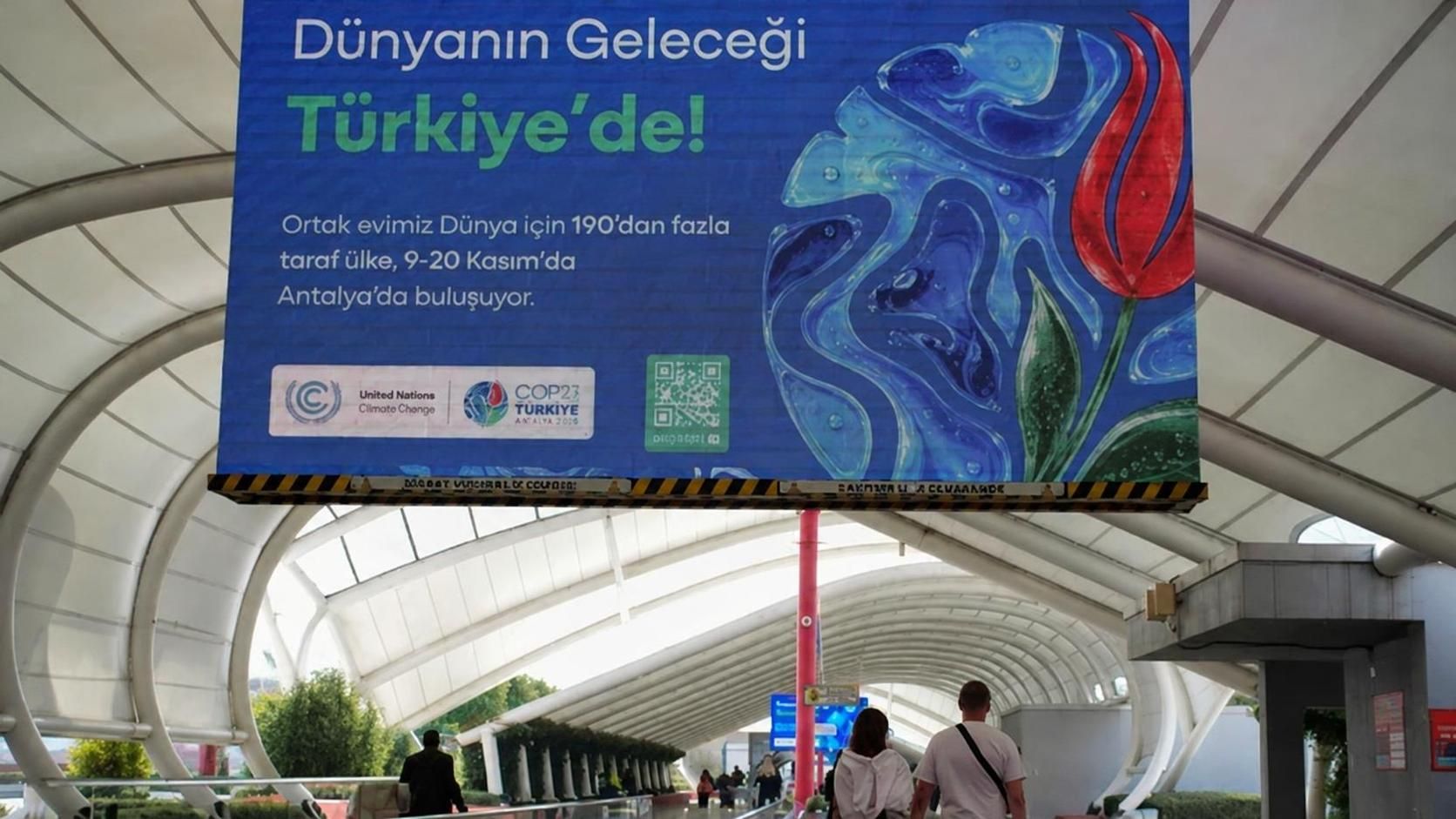
The COP31 climate conference opened in Antalya, Turkey, with the World Meteorological Organization’s State of the Climate Report warning that 2026 could become one of the world’s warmest years, almost certainly among the top four. The report noted that the average global temperature from January to September 2026 was 1.47 °C above pre‑industrial levels (1850‑1900 average). This exceeds the full‑year averages for 2025 and 2023 and is only slightly lower than 2024, the current record‑holding warmest year. El Niño conditions, which generally warm the planet, make it unlikely that the remaining three months will lower the average, suggesting 2026 may become the second warmest year.
The report also highlighted that greenhouse‑gas emissions, the main driver of warming, continued to rise, reaching new record levels in 2025 and showing a continued increase in 2026 according to benchmark monitoring stations. Despite three decades of global discussions, legal agreements, and resource allocation, emissions have not begun to fall.
For negotiators in Antalya, the data is not new; every climate assessment has pointed to a worsening situation. However, the conference is expected to be low‑key, with no major decisions or outcomes anticipated. Discussions will likely focus on accelerating the implementation of promised climate actions, but funding remains a major obstacle. The recent case of Nepal, which received $20 million from the Loss and Damage Fund while needing at least $2 billion for recovery after August flash floods, illustrates the gap between required and available resources.
The world must reduce greenhouse‑gas emissions by at least 43 % from 2019 levels by 2030 to keep temperature rise within 1.5 °C of pre‑industrial times. At the current rate, even a 2 % reduction seems unlikely. Two UNEP reports earlier this year concluded that the 1.5 °C target is now firmly out of reach, a first assessment by any scientific body.
Simon Stiell, executive secretary of UN Climate Change, said COP31 must "supercharge" global efforts but acknowledged that no single conference can bridge the gap between science and reality. "Every recent COP has delivered strides forward. This one must too," he said.
Turkey, as host, launched voluntary initiatives to boost climate action, including a proposal to increase the share of electricity in global energy consumption to at least 30 % by 2035 from the current ~20 %. The initiative seeks to electrify processes that currently rely on oil, gas, or other non‑electric energy sources, promoting cleaner electricity from solar, wind, or nuclear. Participation in the proposed global coalition is voluntary and not a result of the negotiated COP process.
Frequently asked questions
What does the WMO report say about 2026's temperature?
The WMO State of the Climate Report says the average global temperature from January to September 2026 was 1.47 °C above pre‑industrial levels, exceeding 2025 and 2023 and slightly lower than 2024, suggesting 2026 could become the second warmest year.
How are greenhouse‑gas emissions trending?
Greenhouse‑gas emissions continued to rise, reaching new record levels in 2025 and showing a continued increase in 2026 according to benchmark monitoring stations.
What funding gap example is mentioned?
The article cites Nepal, which received $20 million from the Loss and Damage Fund but needs at least $2 billion for recovery after August flash floods, illustrating the gap between required and available resources.