Space
Bennu Samples Reveal Distinct Isotopic Signatures Compared to 1969 Murchison Meteorite
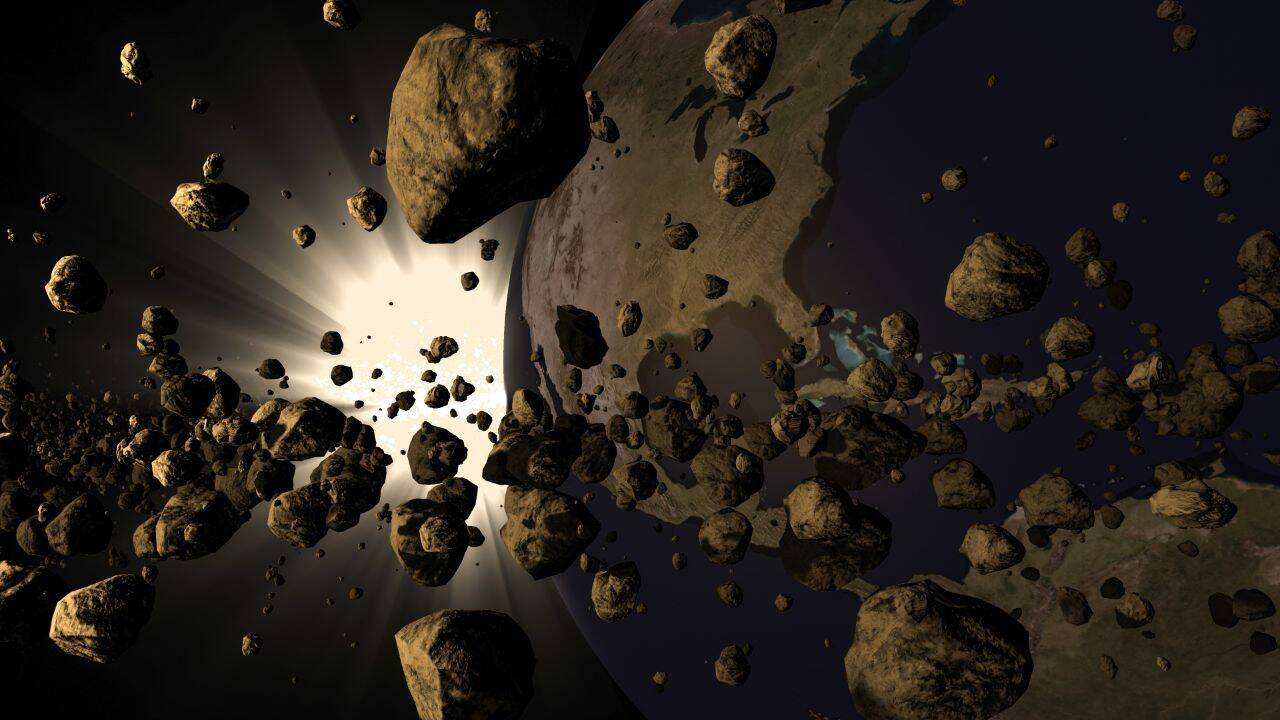
In September 2023, NASA’s OSIRIS‑REx spacecraft returned samples from the near‑Earth asteroid Bennu, a roughly 500‑metre primitive body that preserves material from the early solar system. The returned dust contains amino acids, water‑bearing minerals and carbon‑rich compounds. Scientists compared the amino acids, particularly beta‑alanine, from Bennu with those found in the Murchison meteorite, which fell near Murchison, Victoria, Australia, on 28 September 1969. Using specialised instruments, researchers measured the carbon and nitrogen isotopes of beta‑alanine, including intramolecular carbon isotope positions. While the average isotope values were similar, detailed analysis revealed significant differences at individual carbon sites and in nitrogen isotopes between the Bennu and Murchison samples. The study, published on 24 September 2026 in Communications Earth & Environment, concludes that the isotopic compositions suggest the molecules originated from distinct chemical reservoirs in the early solar system. This finding implies that even chemically similar molecules can form in different regions of the protoplanetary disc, where temperature, radiation and other conditions varied. Bennu’s material, having never left space, provides a more pristine record than meteorites, which can be altered by Earth’s environment.