Science
Stanford Study Shows Human Neurons Can Grow in Genetically Modified Mice
By Mariem Bah
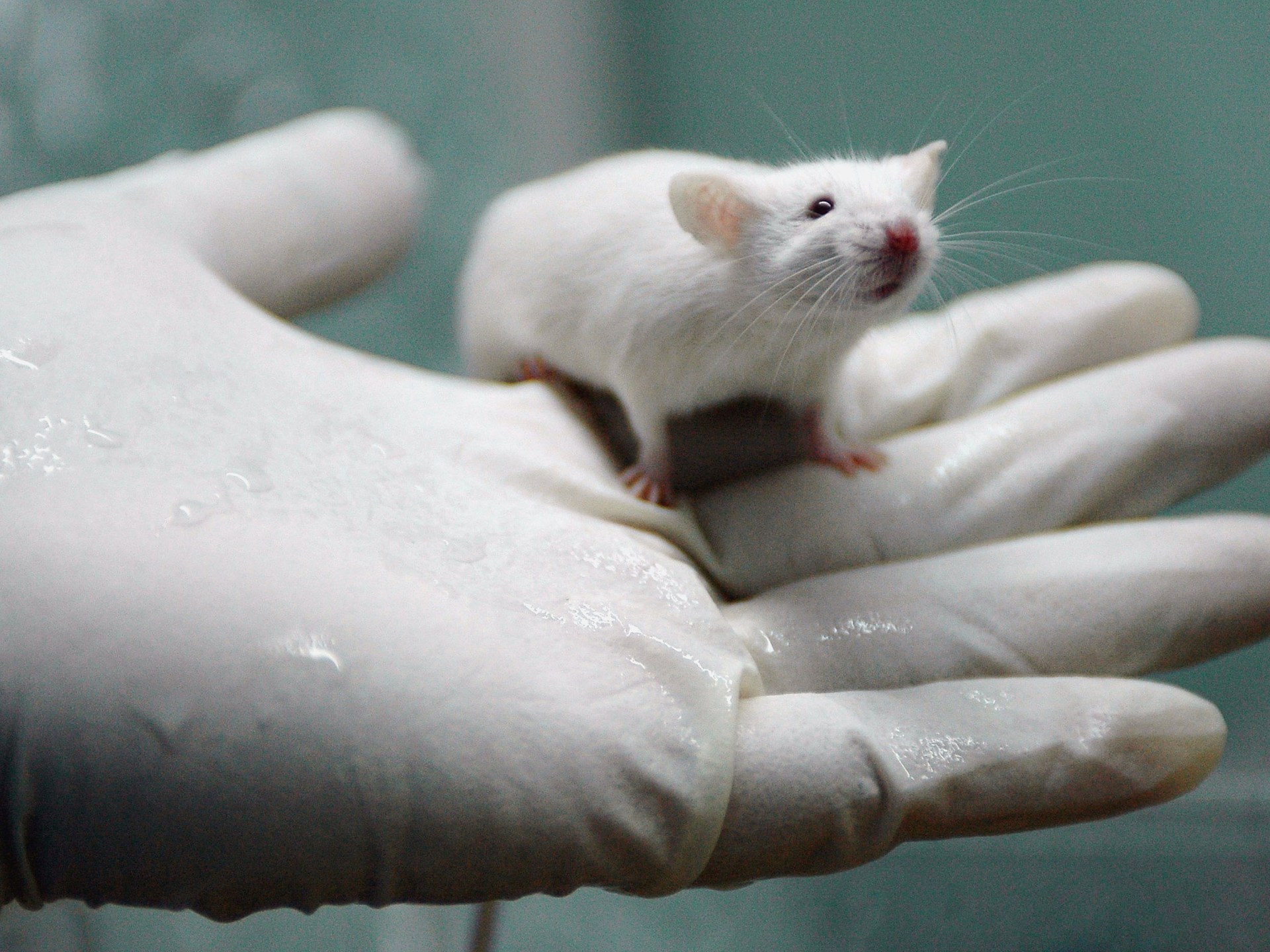
Researchers at Stanford University implanted lab‑grown human brain cells into mice that were engineered to lack most of their cerebral cortex and hippocampus. The mice, born without these brain regions, received injections of human organoids—miniature clusters of about 100,000 stem‑cell‑derived neurons—into the empty spaces when they were two days old. In total, the team removed roughly 14 million mouse neurons and added about 4 million human ones. Of 29 mice tested, 25 survived the procedure. Within three months the human tissue expanded to fill more than 90 percent of the cavities, grew about five times larger, and became vascularized. The modified mice walked and vocalised largely normally, and in maze tests those with human tissue performed better than those without, suggesting a contribution to cognition. Some of the transplanted tissue differentiated into von Economo neurons, a rare cell type found in highly social mammals. When exposed to low oxygen, the mice displayed brain damage, altered gait, and poor limb coordination, offering a potential model for cerebral palsy. The study, published in *Nature*, argues that such neurohybrid animals could provide unprecedented insight into human brain function and disease, complementing existing organoid models that lack a living brain environment. Ethical concerns focus on the possibility of sensation or consciousness in implanted tissues; the researchers halted the experiments when the human cells were six months old, before extensive neural integration or consciousness could arise. A sociologist noted that while the current work does not raise major ethical issues, it highlights the need for clear boundaries, especially if future research were to extend beyond rodents.}