Science
Indigo Snakes Generate Bite Pressures Exceeding Constriction in Similar‑Sized Snakes
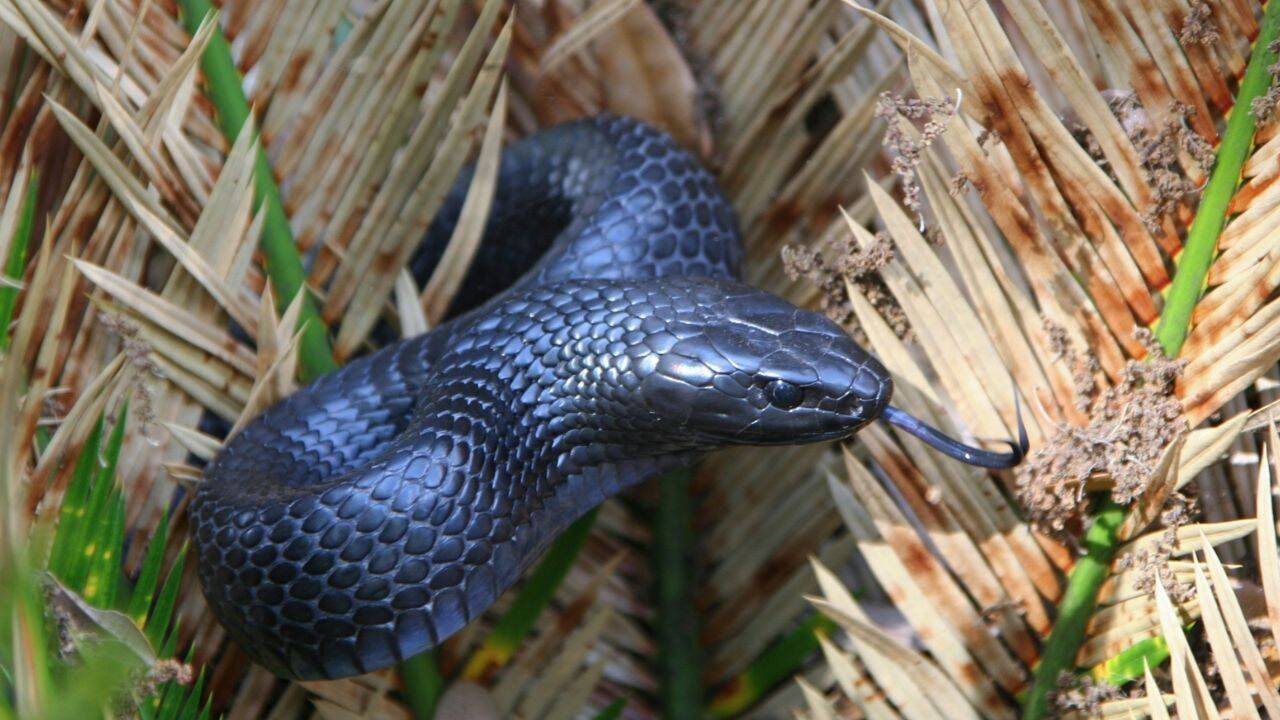
A recent study published in the journal Zoology in September 2026 examined the bite performance of three Drymarchon species—D. corais, D. couperi, and D. melanurus—commonly known as indigo snakes or cribos. These large, non‑venomous colubrids are found throughout the southeastern United States, Mexico, Central America, and South America and feed on a wide range of prey, including mammals, birds, amphibians, fish, eggs, and other reptiles. The researchers measured the bodies and bite forces of 15 snakes and reviewed existing dietary records. They found that larger head size correlated with stronger bites, but bite force was not related to overall body length because these snakes grow longer while their heads grow proportionally smaller. When the bite pressures of Drymarchon were compared with the constriction pressures of similarly sized snakes, the indigo snakes produced pressures that could exceed those generated by constricting snakes. The study also highlighted that prolonged jaw engagement and persistence are key components of their hunting strategy; the snakes do not rely on a single powerful bite but continue to apply pressure while holding the prey. Despite possessing the highly flexible skulls typical of snakes—allowing them to swallow prey wider than their heads—Drymarchon has evolved the ability to deliver concentrated biting pressure, challenging the assumption that skull flexibility limits bite force. The findings suggest that the seizing and biting tactics of non‑venomous, non‑constricting snakes warrant further attention in snake research.