Science
Lab‑Hatched Turtle Survives Over a Year After Release, Growing 21‑Fold in Weight
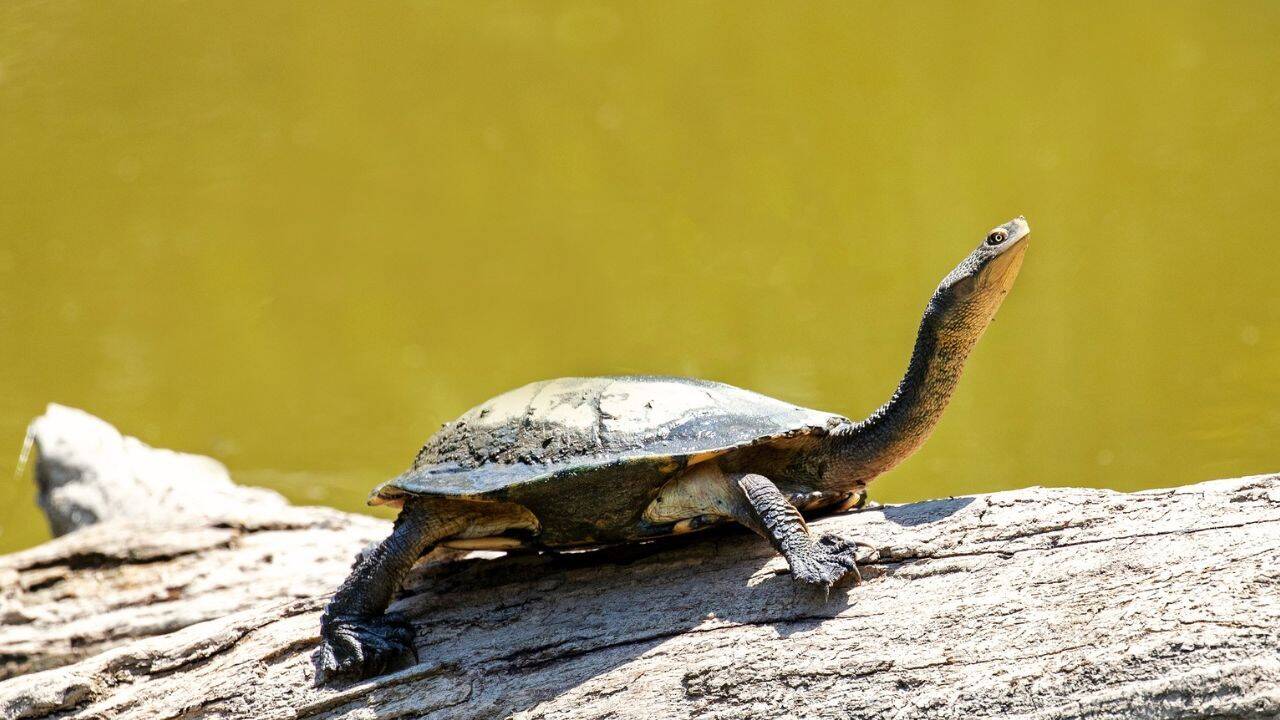
A juvenile southwestern snake‑necked turtle (Chelodina oblonga) that hatched in a Murdoch University laboratory was released into Manning Lake in July 2025 at a weight of 4.77 grams. In an October population survey, researchers April Sturm and Dr Anthony Santoro, both from Murdoch’s Centre for Sustainable Aquatic Ecosystems, recaptured the same turtle. The animal now weighed 100 grams, about 21 times its release weight, providing the first confirmed evidence that a lab‑incubated hatchling of this species can survive long‑term in the wild. The find was announced by Murdoch University on 20 November. The southwestern snake‑necked turtle is not listed as threatened, but studies by Western Australia’s Department of Biodiversity, Conservation and Attractions (DBCA) show declining populations around Perth, with concerns about a missing juvenile generation and skewed sex ratios. The DBCA report cites nest destruction by predators such as foxes and ravens, loss of native vegetation, and climate change as contributing factors. In response, researchers have launched the Saving Our Snake‑Necked Turtle project, a citizen‑science initiative in which volunteers called Turtle Trackers monitor wetlands weekly during the breeding season (mid‑September to mid‑November) and record observations via the TurtleSAT app. Volunteers also protect nests by covering them with mesh. Murdoch’s incubation program began in 2021‑22 with the City of Cockburn, releasing 61 hatchlings after five months of care. The program has since expanded to protect nearly 280 nests across 12 wetlands in the 2022 season and now includes more councils and wetlands. The researchers emphasize that raising hatchlings is only meaningful if they survive beyond release, and the recent recapture provides the first such evidence for this species.