Science
Madagascar Conservationists Walk 44 km to Safeguard 15 Duck Eggs, Six Hatch and Grow
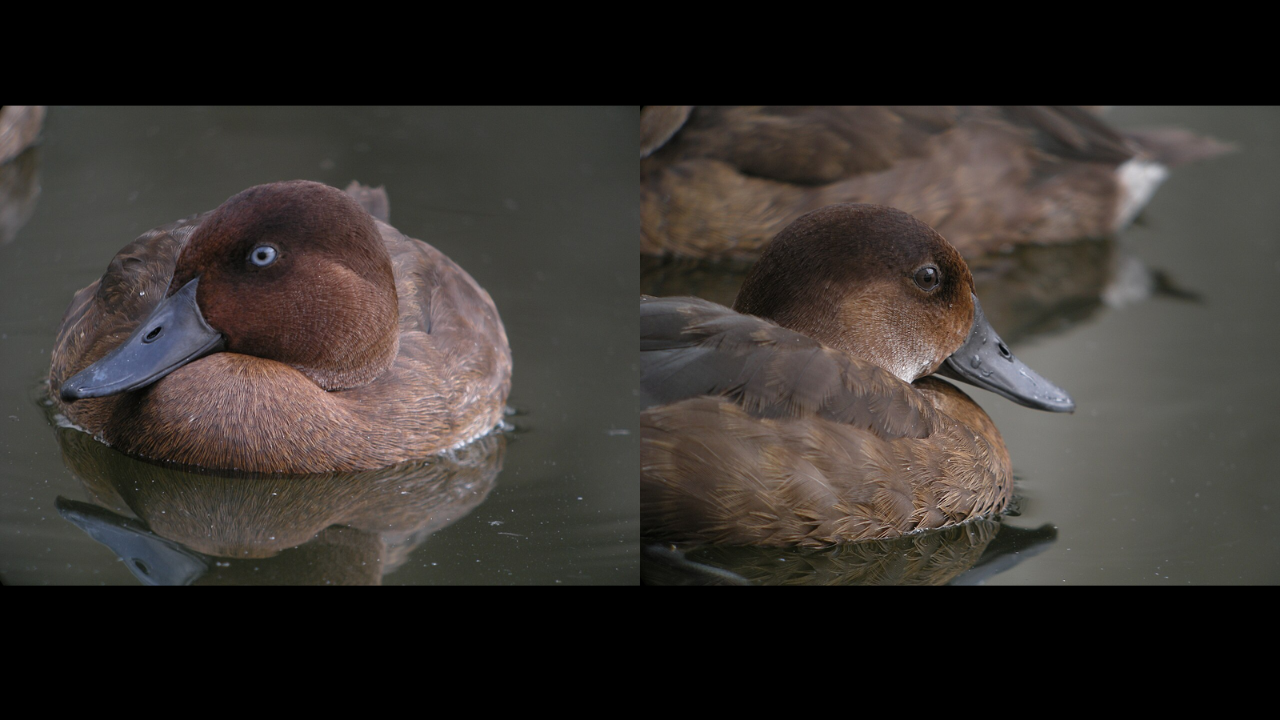
Conservationists from the Durrell Wildlife Conservation Trust and The Peregrine Fund walked 44 km on foot to transport 15 eggs of the critically endangered Madagascar pochard (Aythya innotata) from Lake Matsaborimena to a specialist breeding centre in Antsohihy. The journey, begun in November 2025 after heavy rainfall threatened the species’ only known nesting site, involved crossing rivers, misty plains and hanging bridges. The eggs were kept in a cooler during the trek and were placed in incubators upon arrival. Six of the 15 fertile eggs hatched, and all six birds were raised to adulthood. The Madagascar pochard, once thought extinct after its last confirmed sighting in 1991, was rediscovered in 2006 with a surviving population of nine adults. The species inhabits freshwater lakes and wetlands in Madagascar, where habitat loss from drainage, agriculture and introduced fish has threatened its survival. Current estimates place the total wild and captive population at around 180 individuals. The successful transport, incubation and raising of the six ducks demonstrate that conservationists can intervene effectively when natural conditions jeopardise the species’ reproduction.
Frequently asked questions
How many eggs were transported and how many hatched?
Fifteen eggs were transported, and six of them hatched.
What distance did the conservationists walk?
They walked 44 km.
Which organizations were involved in the effort?
The Durrell Wildlife Conservation Trust and The Peregrine Fund.