Science
Scientists Identify 287 Genetic Variants in 194‑Year‑Old Tortoise That May Explain Its Longevity
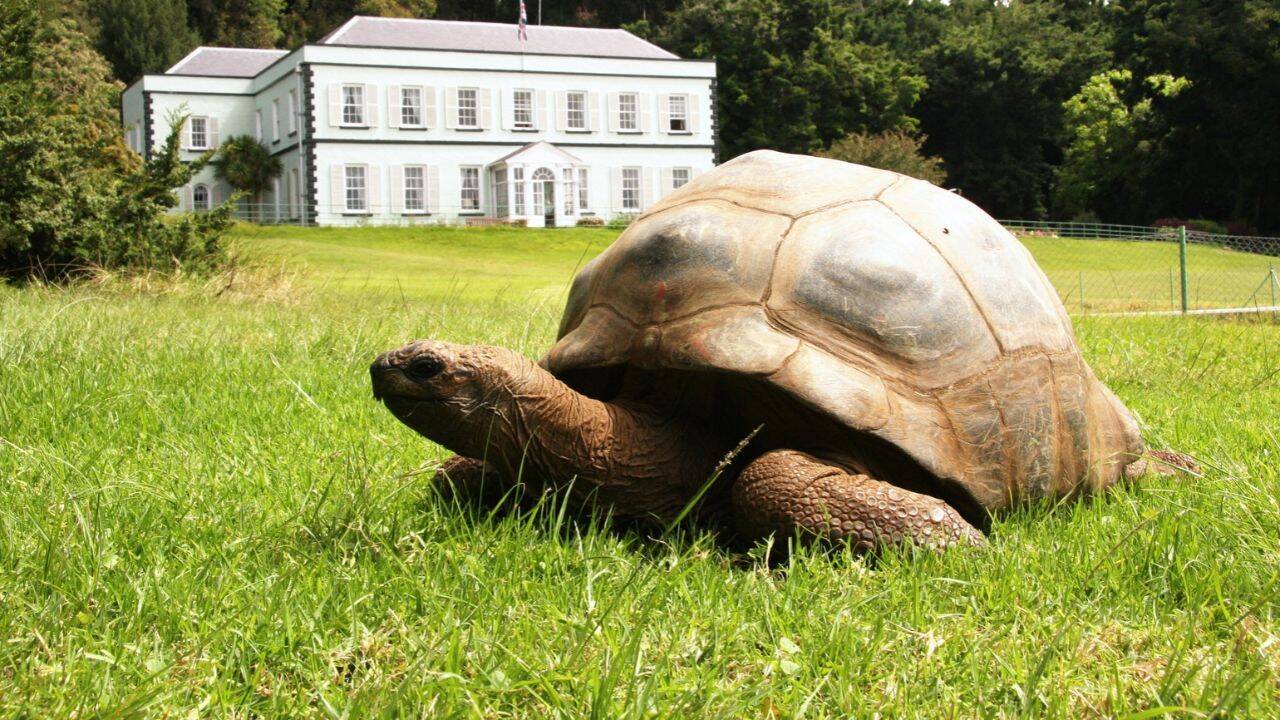
A 194‑year‑old Aldabra giant tortoise named Jonathan, the oldest living land animal, has been the subject of a genetic study that uncovered 287 distinct genetic variants. The research, led by Kallel, a U.S. longevity non‑profit, was published in Science Advances. The variants appear to reduce the typical effects of aging by influencing DNA repair and metabolism, including inflammation control and insulin regulation. The study also examined Jonathan’s epigenome, the chemical markers that regulate gene activity. Compared with younger giant tortoises of the same species, Jonathan’s epigenetic markers for DNA repair and metabolism were remarkably similar, indicating that his cellular controls remain stable over nearly two centuries. Dr. Justin Gerlach of Peterhouse, University of Cambridge, noted that the gene regulators involved in energy production and DNA repair have stayed “incredibly stable” in Jonathan. This marks the first epigenomic analysis of a giant tortoise and provides new insights into extreme longevity. While the findings offer a deeper understanding of how long‑lived animals maintain cellular resilience, applying these genetic insights to humans will require extensive further research. Stephen Clark, Kallel’s founder and senior author of the study, views Jonathan’s genome as a blueprint for cellular resilience and aims to translate evolutionary insights into practical, affordable treatments for people.
Frequently asked questions
What genetic variants were found in the tortoise Jonathan?
Scientists identified 287 distinct genetic variants in Jonathan's genome.
How do these variants affect aging?
The variants appear to reduce typical aging effects by influencing DNA repair and metabolism, including inflammation control and insulin regulation.