Science
Wolf Digestion Boosts Blueberry Seed Germination in Northern Minnesota
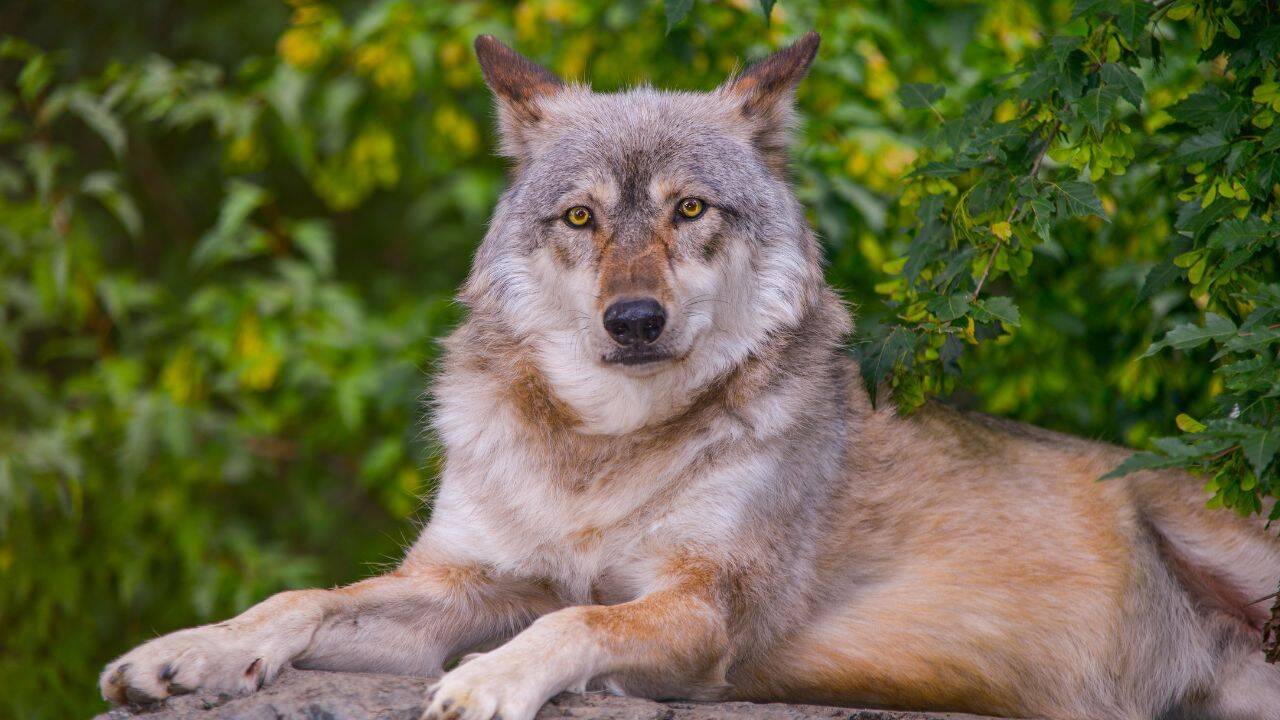
In northern Minnesota, wolves eat blueberries as part of their summer diet, with berries making up as much as 83 % of adult wolves’ weekly intake during July and August in the Greater Voyageurs Ecosystem. A study led by Alex Gross of the University of Minnesota’s Voyageurs Wolf Project examined the effect of wolf digestion on blueberry seeds. Researchers collected 802 seeds from fresh wolf scat in 2017 and 2018 and placed them in petri dishes in a growth chamber for 60 days. They compared these to 484 control seeds taken from intact wild berries that had not been eaten. The study, published in Biology Letters, found that 96 % of the seeds from wolf scat germinated, compared with 69 % of the control seeds. Half of the wolf‑seed germinated by day 19, while control seeds reached the same milestone by day 26. Gross explained that digestion may scuff or chemically wear down the seed coat, and the scat may act as fertilizer and protect seeds from pathogens. The control seeds’ germination varied among three batches, ranging from 42 % to 91 %, but even the best batch was still 5 % lower than the wolf‑seed rate. The authors argue that small advantages can add up across many scat deposits. Wolves, which travel farther and faster than birds, can disperse blueberry seeds over long distances, potentially establishing new patches in suitable habitats and providing food for other forest species. Wolves were once nearly extirpated in Minnesota, with numbers falling to about 350 by the 1960s. Federal protection under the Endangered Species Act began in 1974, and state estimates now place the population at roughly 2,200 to 3,000 wolves. In December 2025, the U.S. House passed a bill to remove gray wolves from the endangered species list in the lower 48 states and prevent courts from reviewing the decision. Representative Pete Stauber, a Minnesota Republican who co‑sponsored the bill, said delisting would protect farmers and return wolf management to local control. Opponents, including Earthjustice, cited Wisconsin’s 2021 hunt, in which more than 200 wolves were killed in fewer than three days, to argue that wolves are still threatened. In September, President Donald Trump signed an executive order giving the Secretary of the Interior 90 days, until early December 2026, to decide whether gray wolves and Mexican wolves have recovered enough to lose federal protection.
Frequently asked questions
What percentage of adult wolves' weekly intake consists of blueberries during July and August?
Up to 83% in the Greater Voyageurs Ecosystem.
How does wolf digestion affect blueberry seed germination?
Seeds from wolf scat had a 96% germination rate, compared to 69% for control seeds from intact berries.
What is the current estimated population of wolves in Minnesota?
Roughly 2,200 to 3,000 wolves.