Climate & Environment
Delhi NCR Enters First Phase of Pollution Curbs as Air Quality Declines to ‘Poor’
By Sneha Biswas
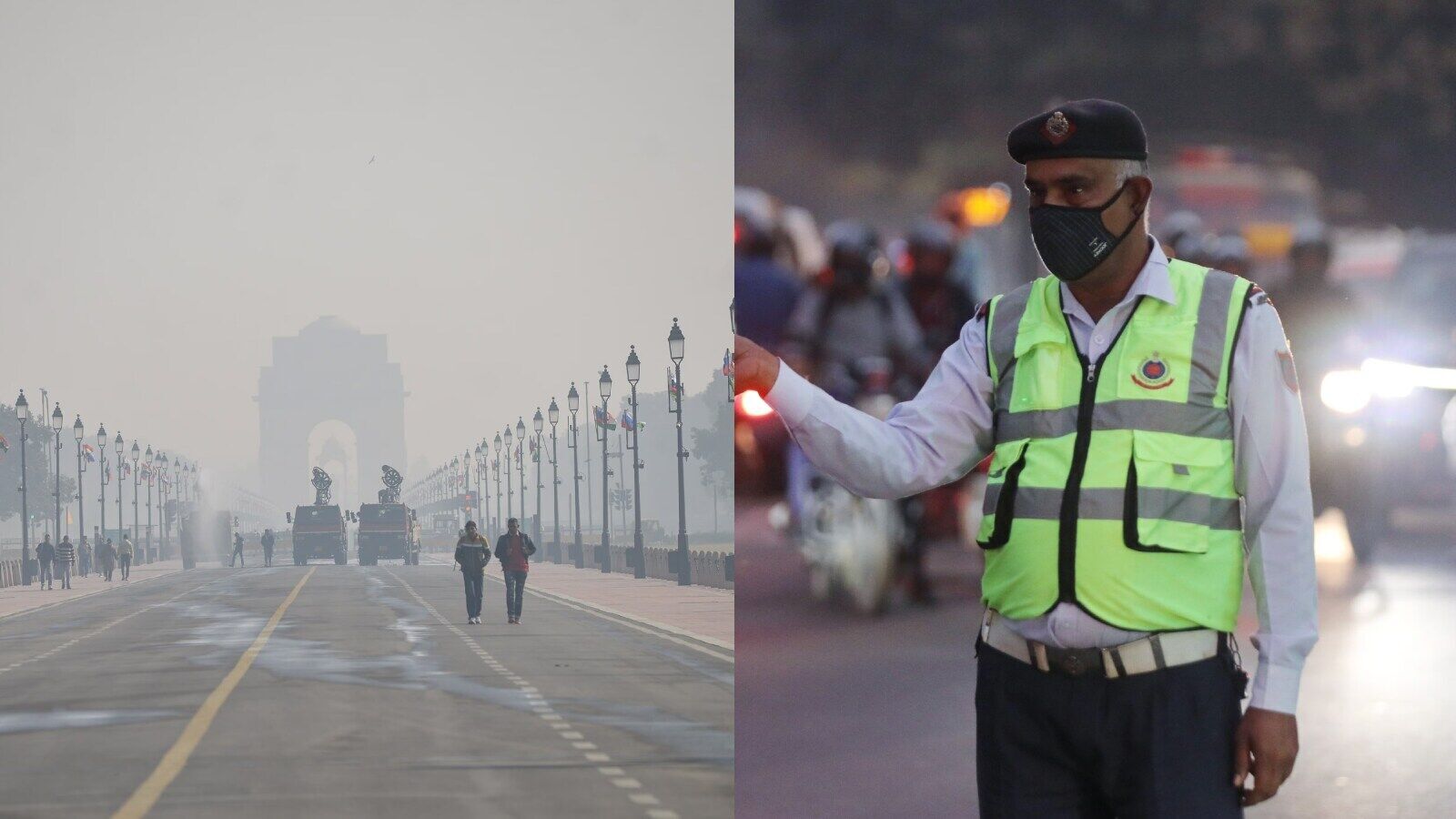
Delhi has entered the first phase of its seasonal pollution curbs, according to a report by NDTV. Stage‑I of the Graded Response Action Plan (GRAP) has been imposed across the National Capital Region (NCR) for the first time this season, following a deterioration in air quality after overnight Dussehra celebrations. Environment Minister Manjinder Singh Sirsa announced the development on Wednesday afternoon. Delhi’s Air Quality Index (AQI) reached 245 at 4 pm on Wednesday, as reported by the Central Pollution Control Board (CPCB), marking it ‘poor’. This was the first ‘poor’ air‑quality day of the season, with the AQI rising 59 points from 179 recorded on Tuesday. Gurugram was also marked ‘poor’ with an AQI of 216 at 4 pm, while Noida’s AQI stood at 249, also classified as ‘poor’. The Central Air Quality Monitoring (CAQM) noted that the AQI of Delhi rose sharply from 179 (moderate) on October 20 to 244 at 2 pm on October 21 (poor). The India Meteorological Department (IMD) and the Indian Institute of Tropical Meteorology predict that the AQI will remain ‘poor’ in the coming days. Under GRAP Stage 1, restrictions are in place across the NCR. Activities such as the use of coal and firewood as fuel in hotels, restaurants, and eateries are banned; only diesel generators may be used in emergencies or essential situations. If air quality drops further into the ‘very poor’ range (301–400 AQI), Stage 2 regulations will be enacted. Stage 3 applies when conditions reach the ‘severe’ category (401–500 AQI), and Stage 4 is enforced when pollution levels breach 450, the ‘severe plus’ category. These measures aim to protect public health during critical emergencies.
Frequently asked questions
What is Stage‑I of the Graded Response Action Plan (GRAP)?
Stage‑I is the first phase of pollution curbs imposed across the National Capital Region, restricting the use of coal and firewood as fuel in hotels, restaurants, and eateries, and allowing diesel generators only in emergencies or essential situations.
What AQI values classify air quality as ‘poor’ in this context?
An AQI of 201–300 is classified as ‘poor’. Delhi’s AQI reached 245, Gurugram 216, and Noida 249, all falling into the ‘poor’ category.
What happens if air quality drops into the ‘very poor’ or ‘severe’ ranges?
If the AQI falls into the ‘very poor’ range (301–400), Stage‑2 regulations will be enacted; if it reaches the ‘severe’ range (401–500), Stage‑3 applies; Stage‑4 is enforced when pollution exceeds 450.