Climate & Environment
Electric‑Vehicle Batteries Linked to Deforestation in Indonesia’s Sulawesi Nickel Mines
By Stefano Valentino, Ajit Niranjan
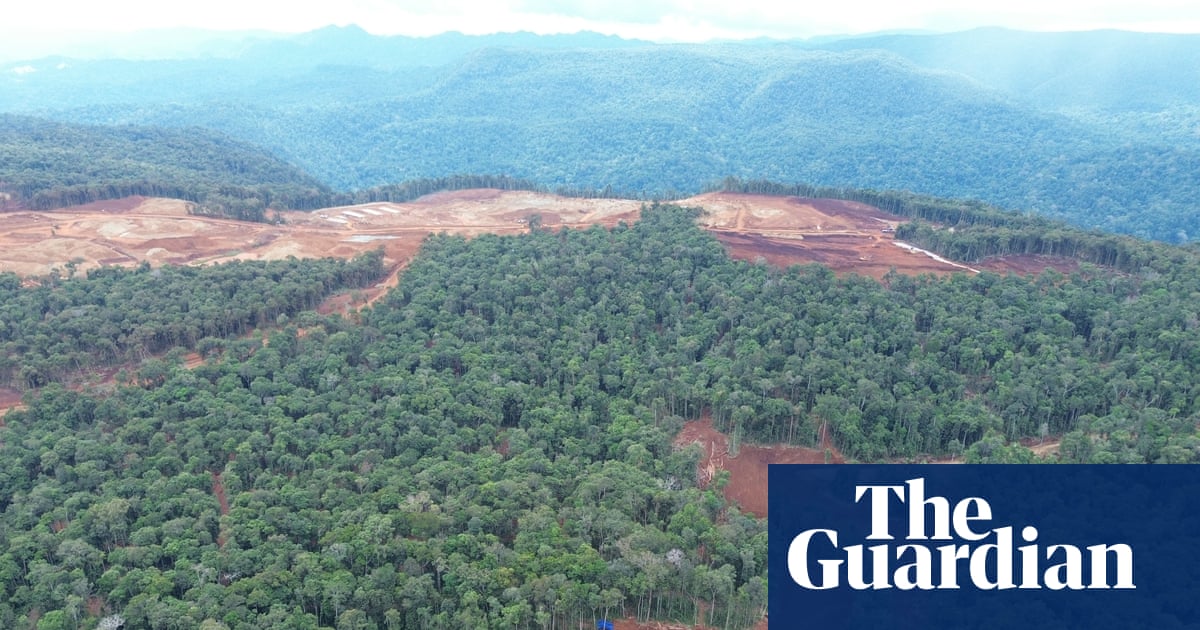
An analysis of corporate disclosures and trade flows over the past two years shows that nickel used in batteries for Volkswagen, Ford, Tesla and other automakers may come from mines in Sulawesi, Indonesia, a wildlife hotspot that contains the world’s largest nickel deposits. The mines—Cahaya and Hengjaya—have been linked to widespread loss of primary rainforest in lands inhabited by the indigenous Tolaki people. Satellite imagery indicates that the mining activity has led to deforestation of the 21,000‑hectare Cahaya concession and significant forest loss in the Hengjaya concession.
Ore from the two mines is processed at a nickel smelter in Morowali, operated by Zhejiang Huayou Cobalt’s local subsidiary. In 2024, the plant shipped $606 million worth of mixed hydroxide precipitate to China, followed by $470 million in 2025. The processed ore is then transported to Huayou cathode manufacturing sites in Quzhou and Yulin. While Huayou’s filings do not disclose specific volumes sold to CATL, the company confirmed group‑level supplies to the world’s largest battery maker in a 2024 regulatory inquiry. Chengdu B&M, a downstream Huayou subsidiary, also confirmed the supply of “large quantities” to CATL.
The investigation, conducted with Voxeurop and other European media partners, traced shipments from Sulawesi mines to China and then from Huayou cathode and CATL battery factories to assembly lines in the United States and Europe. For example, Volkswagen’s Braunschweig plant received a shipment of 24 tonnes of cell modules worth about $390,000 in October 2024.
Automakers identified as end‑users of Huayou cathodes or recipients of CATL shipments include Volkswagen, Volvo, Ford, General Motors, Tesla, BMW, Stellantis, Hyundai and Mercedes‑Benz. Many of the companies said they do not source nickel directly, that they assess and mitigate adverse impacts, and that they require suppliers to comply with responsible sourcing standards. They declined to share the results of on‑site audits.
Volkswagen stated it could not rule out that the companies may fall within its supply chain and that it takes potential risks seriously, but it could not disclose specific supplier details. Ford said it is reviewing the allegations and will determine appropriate next steps. Mercedes‑Benz, Renault, Volvo, General Motors, Stellantis and Hyundai all issued statements acknowledging the risks associated with nickel mining in Indonesia and the importance of monitoring suppliers.
Huayou, SCM (the operator of the Cahaya mine), CATL, Tesla and Tsingshan, the main shareholder of Nickel Industries that operates the Hengjaya mine, did not respond to requests for comment. The investigation was supported by Journalismfund Europe and The Pulitzer Center.
In 2023, a report found that lithium demand in the U.S. transport sector could be reduced by 18 % to 66 % through improved public transport, walking, cycling and smaller cars, and that better recycling could cut demand by up to 92 %. Global nickel demand is projected to double to 5.5 million tonnes by 2040, much of it mined in Indonesia and refined in China. A study in Nature Communications last year estimated that the carbon footprint of nickel from the worst mines could be up to 500 times greater than previously reported. The Cahaya and Hengjaya mines are located in woodlands designated as “production forest,” intended for forestry rather than industrial activities, but successive Indonesian governments have weakened safeguards and granted exemptions for miners as nickel demand has surged. Spatial analysis by The TreeMap suggests nickel mining may be responsible for two‑thirds of the forest loss recorded since 2001 within the Cahaya concession and over half of the loss in the Hengjaya concession. In 2024, SCM cleared an additional 330 hectares of forest, according to an analysis by Auriga, an Indonesian nonprofit. The same year, it delivered 11 million tonnes of limonite ore—almost all of its production—to Huayou’s smelter, with deliveries increasing to nearly 12.5 million tonnes in 2025. SCM received two administrative sanctions last year for illegally clearing more than 450 hectares of forest beyond its permitted area. The company is a subsidiary of Merdeka Battery Materials, part of a group whose shareholders include Huayou and CATL.