Climate & Environment
Governments Urged to Accelerate Nature‑Restoring Tipping Points at COP17 and COP31
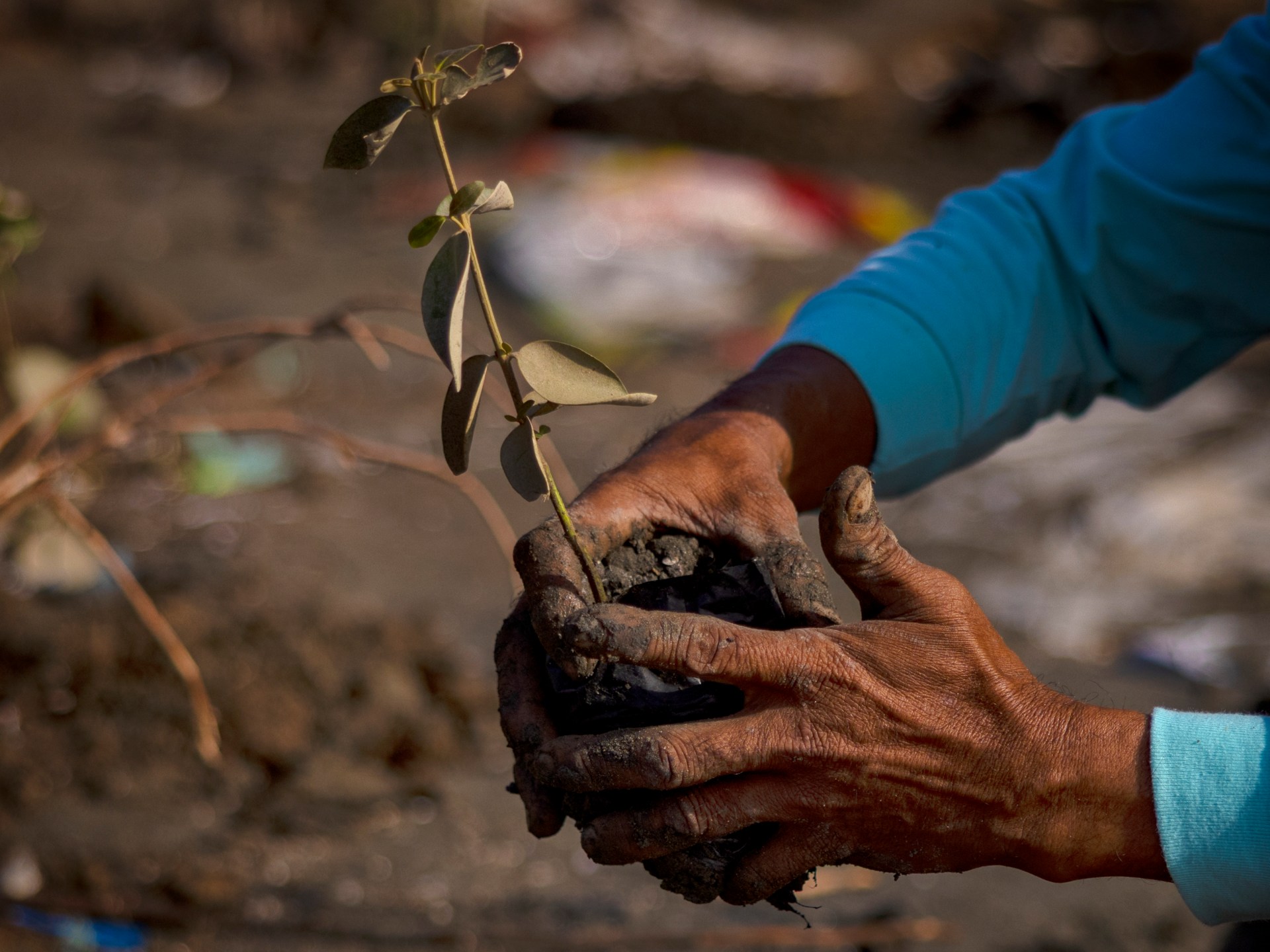
At the upcoming COP17 and COP31 conferences, governments are called upon to speed up the transition to positive tipping points in energy, food and finance systems. Nature, described as humanity’s life‑support system, is being depleted at an alarming rate, increasing vulnerability to heatwaves, wildfires, floods and droughts. An intensifying El Niño is expected to raise these risks further. WWF’s Living Planet Report 2026 reports a 73 percent decline in the average size of monitored wildlife populations between 1970 and 2022, underscoring the scale of nature loss.
Nature loss now threatens food and water security, health, supply chains and geopolitical stability. Yet science indicates that the economic systems driving this decline can be transformed more rapidly than many expect. When a tipping point is crossed, change can become self‑reinforcing, making a safer, more resilient future inevitable.
Three economic systems are identified as key drivers of nature’s decline: the energy system that fuels climate change, the global food system that causes habitat loss, and the finance system that funds both. Triggering tipping points in these systems would accelerate their transformation and reduce harm to climate and nature. The energy sector has already passed a tipping point, with the shift from fossil fuels to renewable energy accelerating. Solar power, once used mainly in satellites and calculators, is now the cheapest option for new electricity generation in most countries and is electrifying rural households, improving the resilience of food and medical supply chains.
The food system requires major milestones in nature‑positive production and a broader shift in consumer demand for healthier, more sustainable foods. Efforts to curb commodity‑driven deforestation and the development of national strategic plans in more than 130 countries are steps in the right direction, but commitments have not yet translated into the policies and incentives needed to accelerate the transition.
Reforming the finance system so that more capital flows to activities that protect and restore nature than to those that harm it is a fundamental challenge. Achieving this tipping point will require regulatory change, subsidy reform and a shift in how the sector values climate and nature as material financial risks. Redirecting even a portion of the money currently directed toward harmful activities could alter the economics of the entire transformation.
Governments meeting at COP17 and COP31 have a vital opportunity to work together to trigger positive tipping points and build resilience into societies and the global economy. Conservation successes, such as the rebound of green sea turtles and tigers, demonstrate that species recovery is possible when governments, communities and organisations collaborate. Building strength and resilience into the natural support system will require moving away from extractive, wasteful economies toward sustainable and regenerative systems that benefit all.
The author’s views are personal and do not necessarily reflect Al Jazeera’s editorial stance.