Science
99‑Million‑Year‑Old Amber Reveals New Planthopper Species with Mouthparts Twice Its Body Length
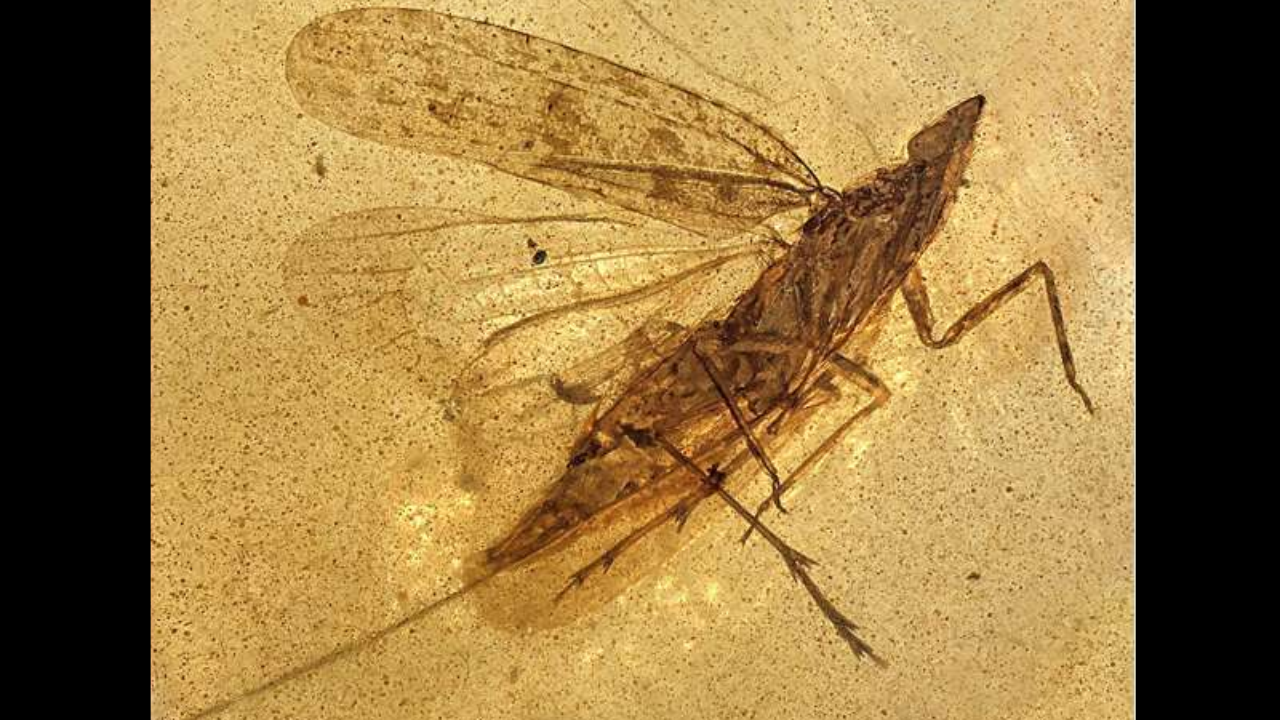
A team of researchers from the School of Zoology and The Steinhardt Museum of Natural History has described a new species of ancient planthopper, named Cretodorus noonoo, or "Noo‑Noo," from 99‑million‑year‑old amber found in Kachin, Myanmar. The study, published in the journal *Insects*, examined 13 insect fossils belonging to the extinct family Neazoniidae. The fossils show exceptionally long and flexible mouthparts that are nearly twice the length of the insects’ bodies. The researchers used high‑resolution micro‑computed tomography to reconstruct the internal structure of the mouthparts, revealing dense transverse folds that likely provided flexibility while preventing kinking, similar to a corrugated hose. In some specimens the mouthparts were preserved bent, indicating they were flexible during the insects’ lives. The mouthparts pointed backward and functioned as a piercing‑and‑sucking system, unlike the needle‑like mouthparts of modern relatives. No pollen was found on the insects, suggesting they were not pollinators. Instead, the authors propose that the long, flexible mouthparts allowed the insects to probe deep into cracks and crevices in tree bark to suck sap from vascular tissues. A two‑grooved lobe at the tip may have anchored the mouthpart inside a crack. The discovery may shed light on Cretaceous forests, where thick‑barked trees and frequent fires could have created ecological niches for insects with such feeding adaptations. Dr. Leonidas‑Romanos Davranoglou, one of the study authors, said the find provides a glimpse into the insect world of the age of dinosaurs and helps reconstruct ancient ecosystems.