Science
Birds Use Flapping to Gain Control During Landing, New Study Shows
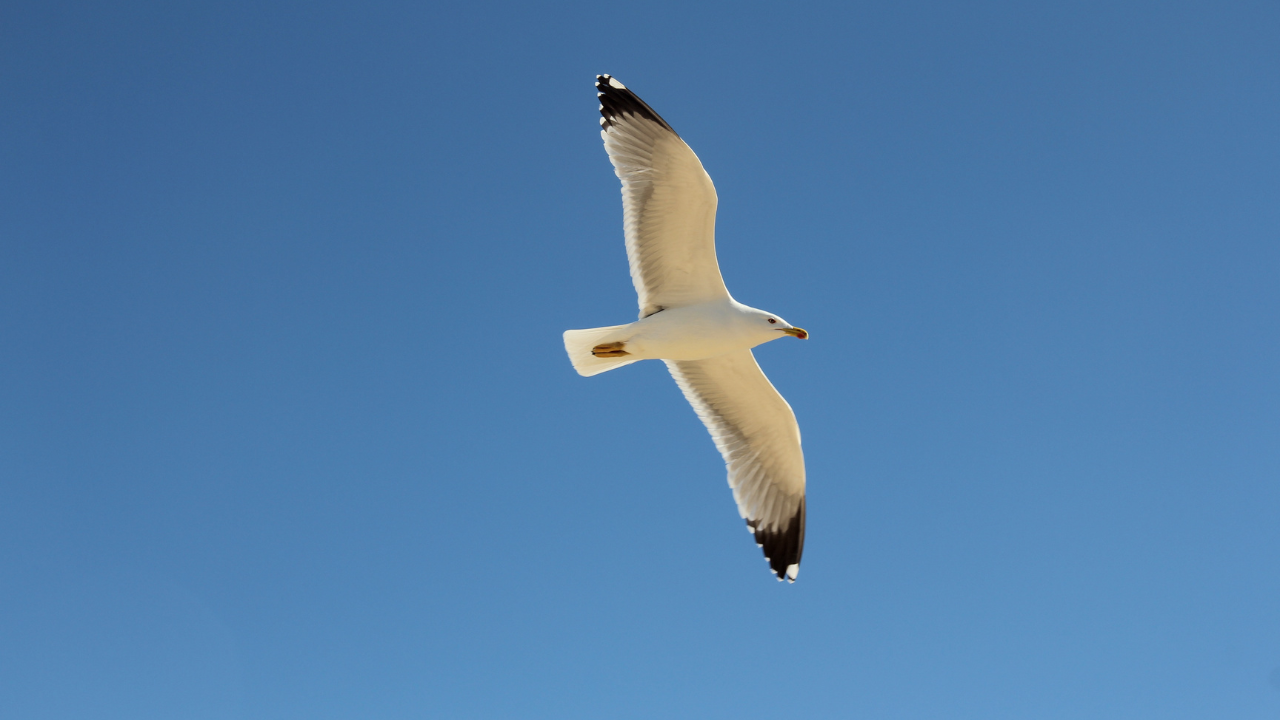
Researchers from the University of Manchester, University of Toronto, and the University of Toronto have used mathematical modelling to investigate how birds land. The study, published in the Proceedings of the Royal Society A, found that stopping completely without flapping would require a pigeon‑sized bird to approach at more than twice its normal cruising speed, travel about 60 metres horizontally, and climb roughly 20 metres. In practice, this would mean a long runway, a high approach, and considerable speed just to arrive at a perch with no forward motion.
Birds generate lift and control through airflow over their wings. As they slow, airflow weakens, reducing their ability to steer and recover from disturbances. This creates a trade‑off: a low landing speed is desirable, but flying too slowly makes precise manoeuvring difficult. Dr Ben Parslew explains that landing is more than decelerating; a bird must reduce speed while retaining enough aerodynamic authority to complete the manoeuvre safely. Flapping provides the missing control. By adding bursts of lift and thrust, a bird can adjust its trajectory late in the approach, avoid stalling for too long, and touch down at a manageable speed within a short distance.
The model also explains the swoop seen in birds of prey such as Harris’s hawks. Hawks dip below their landing spot and then glide upward, a manoeuvre that balances arriving at low speed with limiting the time spent in a stalled, less controllable state.
For birds that land on the ground, the situation differs. They cannot convert speed into height as they close in, so an unpowered ground landing cannot eliminate all forward speed before touchdown. Some energy must be absorbed by wings, legs, or both. This has evolutionary implications: stronger legs, muscles, and bones help withstand impact, but extra mass reduces flight efficiency. The tension between being light enough to fly well and robust enough to land safely may have shaped bird evolution.
The findings may also inform the design of drones and other aerial vehicles that must land in confined spaces. Understanding how animals manage low‑speed control, stall avoidance, and energy absorption could help engineers develop more efficient landing strategies for small aircraft.
In summary, flapping during landing is not wasted energy but a calculated investment in safety, precision, and the ability to stop in the small, cluttered spaces where birds actually live.
Frequently asked questions
What would be required for a pigeon-sized bird to stop without flapping?
It would need to approach at more than twice its normal cruising speed, travel about 60 metres horizontally, and climb roughly 20 metres.
Why do birds use flapping during landing?
Flapping provides bursts of lift and thrust that allow birds to adjust trajectory late in the approach, avoid stalling, and touch down at a manageable speed within a short distance.