Science
Quiet After Scolding: How Children’s Silence Reflects Emotional Overwhelm and Fear of Disappointment
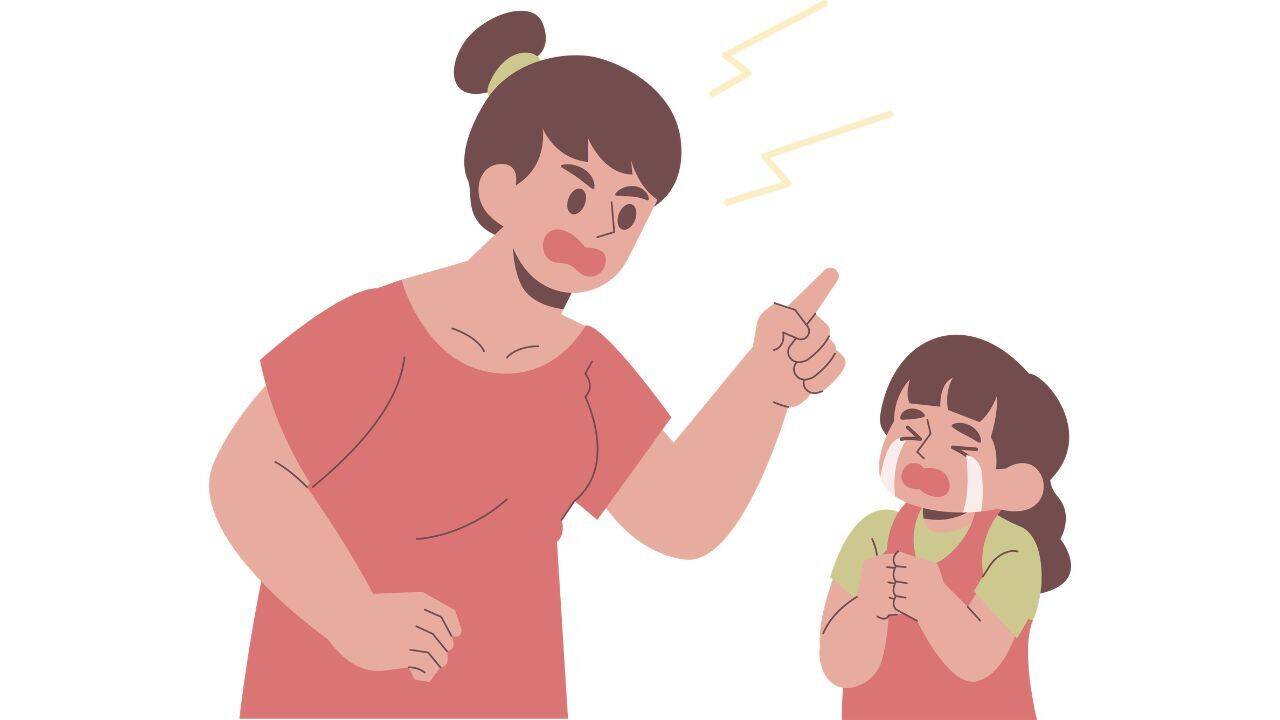
When a parent scolds a child, the child may become unusually quiet. This silence is often an emotional response to feeling overwhelmed, embarrassed, or frightened of losing a parent’s approval, rather than a sign of stubbornness or disrespect. Children, especially young ones, may lack the vocabulary to express feelings such as embarrassment or the need for time to calm down. A raised voice, angry expression, or unexpected punishment can intensify the child’s emotional overload, leading them to look away, stop answering questions, or become less expressive.
Developmental psychology distinguishes between guilt—feeling bad about a specific action—and shame—feeling that something is wrong with oneself. When a child is frightened or upset, their ability to process information and respond thoughtfully can be temporarily impaired, and silence may serve to reduce emotional stimulation.
A 2025 meta‑analytic systematic review in *Child Development* examined 65 samples with 19,144 participants and found that dysfunctional parent‑child relationships are associated with children’s shame and maladaptive guilt, while positive relationships are linked to lower shame levels. The review highlights how the quality of the parent‑child relationship can influence emotional responses to mistakes.
Repeated criticism, dismissal, or punishment can teach children that staying quiet is safer than speaking. Research published in *Emotion* shows that unsupportive parental responses—such as minimizing or punishing emotional expressions—can interfere with children’s emotional regulation.
When a child becomes quiet after a reprimand, parents should avoid adding another reason for scolding. Instead, they can say: - "I know you are upset. You can talk to me when you feel ready." - "I was upset about what happened, but I still love you." - "You made a mistake, but that doesn’t make you a bad child." - "Let’s understand what happened and how we can fix it."
Reconnecting after a disagreement is as important as correcting behavior. Children need to learn that parental disappointment is temporary and that mistakes do not threaten their place in the family. The Harvard University Center on the Developing Child emphasizes stable, nurturing, and responsive relationships as essential for helping children manage stress and develop healthy emotional regulation.
In short, a child’s quietness after scolding is not necessarily a sign of disrespect; it can be an emotional coping mechanism that parents can support by offering understanding, reassurance, and a safe space to talk.
Frequently asked questions
What does a child's silence after scolding usually indicate?
It is often an emotional response to feeling overwhelmed, embarrassed, or frightened of losing a parent's approval, not a sign of stubbornness or disrespect.
How does the quality of parent-child relationships affect children's shame?
A 2025 meta‑analytic review found that dysfunctional relationships are linked to higher shame and maladaptive guilt, while positive relationships are associated with lower shame levels.
What can parents say to help a quiet child after a reprimand?
Parents can say supportive statements such as “I know you are upset. You can talk to me when you feel ready,” “I was upset about what happened, but I still love you,” or “Let’s understand what happened and how we can fix it.”