Science
Pufferfish Mothers Pass Non‑Toxic Chemical to Offspring, Prompting Predators to Spit Them Out
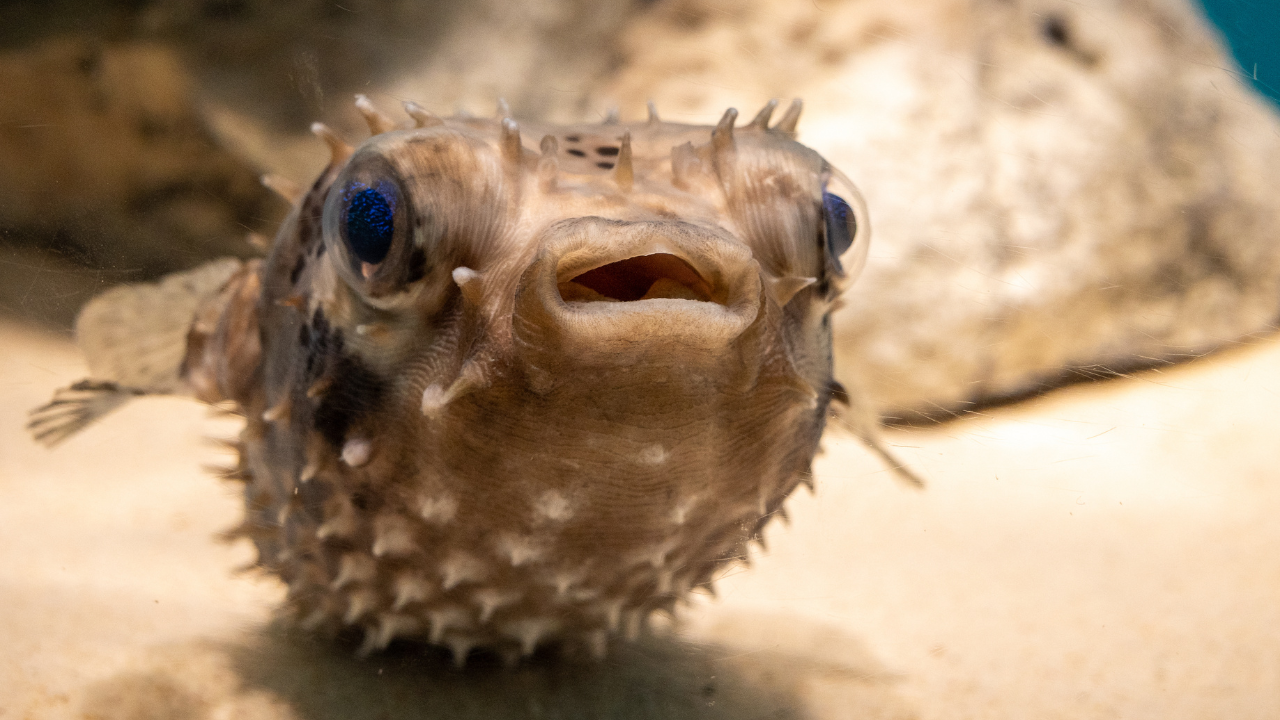
A new study shows that mother pufferfish of the genus Takifugu transfer a nearly non‑toxic chemical, 5,6,11‑trideoxytetrodotoxin (TDT), to their larvae. The chemical, found alongside the well‑known tetrodotoxin (TTX), appears to act as a warning signal that causes predators to reject the young fish. Researchers exposed one‑day‑old grass pufferfish (Takifugu alboplumbeus) larvae to two predatory species – the nibbler (Girella punctata) and the Japanese flounder (Paralichthys olivaceus). The larvae were prepared with TTX, TDT, both, or neither by administering the compounds to female pufferfish before spawning, allowing the chemicals to be passed to the offspring. All larvae carried the compounds in their epidermis. When presented to the predators, the nibblers consistently spat out larvae containing TDT but ate those with only TTX. The flounders rejected larvae carrying either chemical. Subsequent trials with individual predators confirmed that the responses were not learned but appeared innate, as even fish with no prior exposure rejected the chemically marked larvae. The findings suggest that while TTX provides a lethal defense against some predators, TDT offers a rapid deterrent that can prevent predation early in life. The study also notes that pufferfish themselves can detect TDT via smell, indicating a possible social signaling role. The research, published in iScience, highlights that protecting offspring does not always require a deadly toxin; a chemical that prompts predators to spit them out can be equally effective.