Science
Squid Bodies Host Widespread Sensory Hair Cells, Offering New Model for Human Hearing
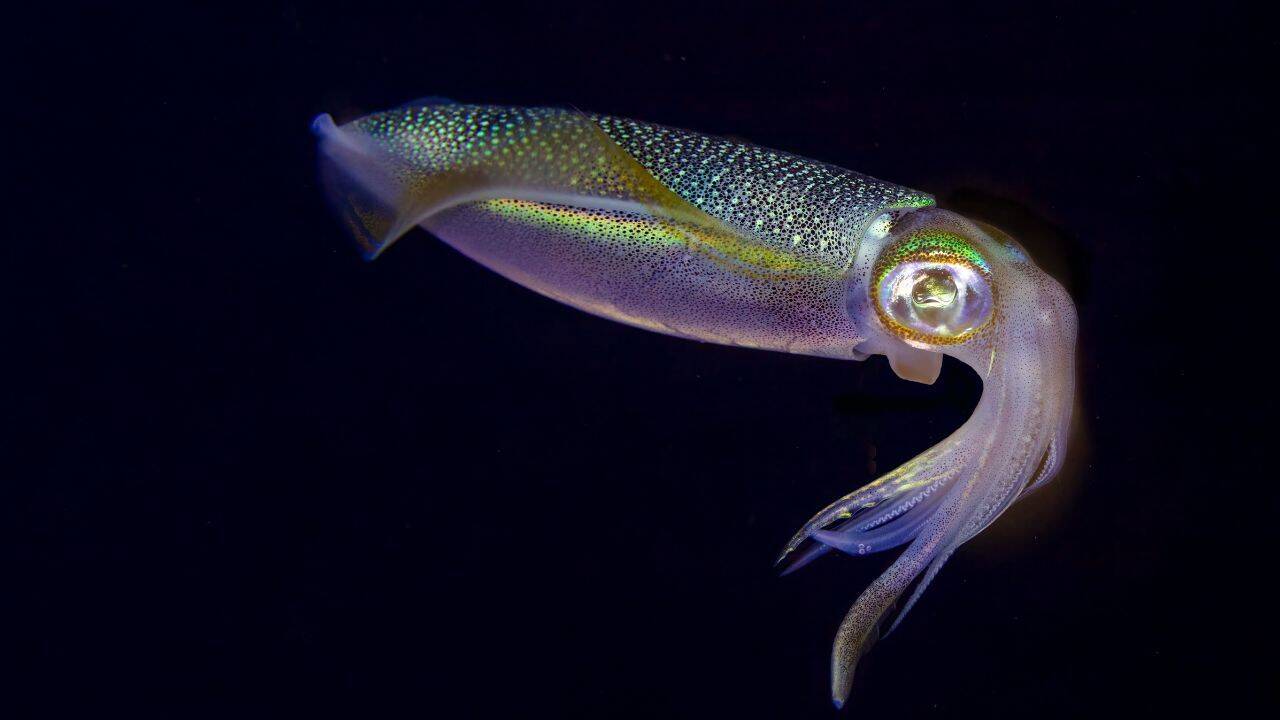
Researchers at Case Western Reserve University have mapped sensory hair cells across the entire surface of squids, not just their heads and arms. Published in Current Biology in September 2026 under the title ‘An anatomical map of squid lateral lines,’ the study shows that these microscopic structures, which detect movements in surrounding water, are distributed all over the squid’s body. The team used light sheet microscopy, a laser‑based imaging technique that illuminates one plane at a time to build detailed 3D images while minimizing tissue damage.
Squid, known for their color‑changing ability and rapid movement, use hair cells on their skin to sense local water movements, similar to how human inner‑ear hair cells detect sound vibrations. Unlike fish lateral lines, which have hair bundles of uniform length, squid hair bundles vary in length, a feature that may allow them to respond to different frequencies of water movement. This similarity in detection mechanisms suggests that the squid’s skin functions analogously to a human ear.
Because human inner‑ear hair cells are delicate and rarely regenerate after damage from noise, age, medication or genetics, studying them directly in humans is difficult. Squid hair cells, being externally located, are more accessible for observation and could help researchers understand how hair bundles are built, how their lengths are regulated, and how they respond to mechanical stimulation, potentially informing studies of human hearing loss.
Frequently asked questions
Where were the sensory hair cells mapped on squids?
Across the entire surface of squids, not just heads and arms.
What imaging technique did the researchers use?
Light sheet microscopy, a laser‑based imaging technique that illuminates one plane at a time to build detailed 3D images while minimizing tissue damage.
How might squid hair cells help study human hearing loss?
Because they are externally located and more accessible, they can help researchers understand hair bundle construction, length regulation, and mechanical response, potentially informing studies of human hearing loss.