World
17th‑Century Basket Discovered Behind Wall at Lauderdale House, Containing Shoes, Broken Glass and Dried Chickens
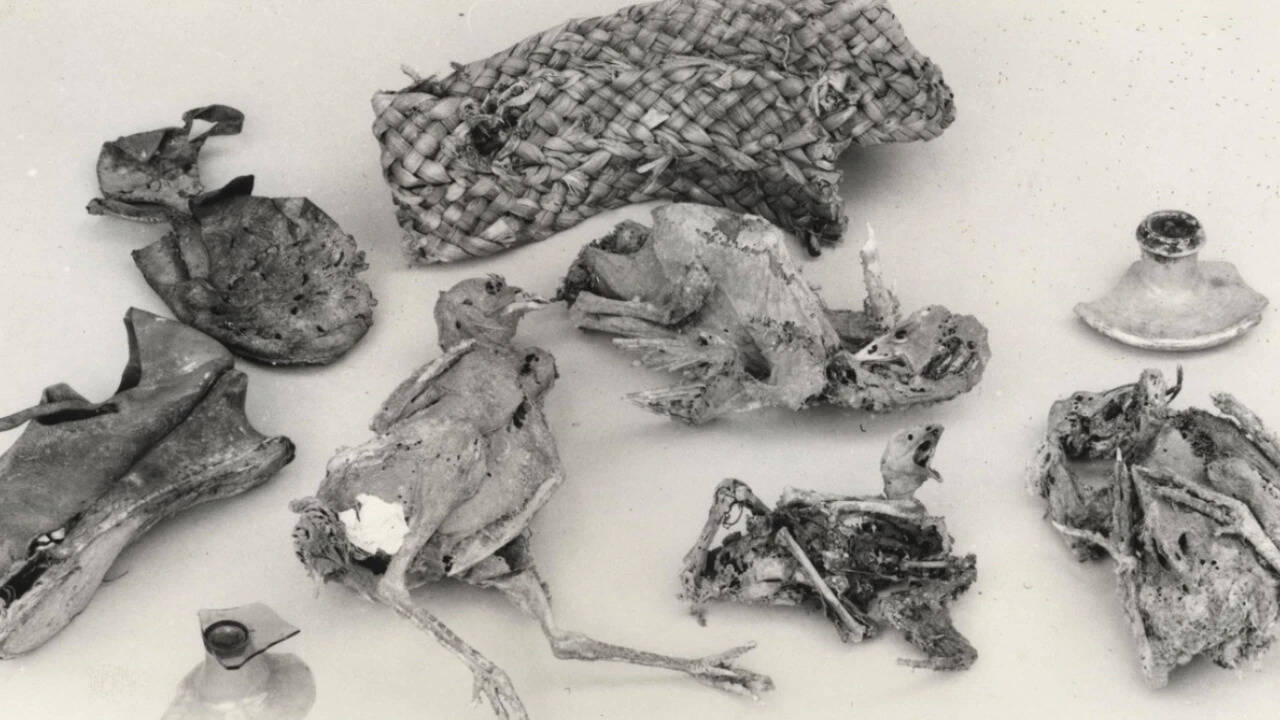
During reconstruction work at Lauderdale House in Highgate, London, a 17th‑century wicker basket was found hidden behind a bricked‑up wall near the first‑floor fireplace. The basket, concealed after a fire in 1963, held two shoes—one dated to about 1650—a strip of plaited rush, a broken ceramic candlestick, a broken glass tazza, and four dried chickens. Researchers from the London Museum are examining the objects’ symbolism and why they might have been hidden. Some suggest the concealment was a protective measure against witchcraft or other supernatural dangers, a practice common in post‑medieval Britain. Items such as shoes, broken household goods and even chickens were sometimes placed near fireplaces, under floors, or around openings to guard homes against harmful spirits. The shoes, which may have served as decoys or kept as a connection to deceased relatives, are among the most frequently found objects in such contexts. The broken candlestick and tazza could have been deliberately damaged to trap or harm supernatural entities, while the plaited rush may relate to knot magic or simply have been part of a woven mat for the chickens. The four chickens, two of which appear to have been strangled and two possibly kept alive, may have had a symbolic protective role, as chickens and roosters were believed in some traditions to repel evil. The discovery highlights the potential for many more hidden objects in historic buildings, offering insights into the everyday fears, customs and beliefs of past Londoners.
Frequently asked questions
What items were found in the basket?
Two shoes (one dated about 1650), a strip of plaited rush, a broken ceramic candlestick, a broken glass tazza, and four dried chickens.
Why were the items hidden behind the wall?
Researchers suggest the concealment was a protective measure against witchcraft or other supernatural dangers, a common practice in post‑medieval Britain.
What is the significance of the chickens in the basket?
Four chickens, two strangled and two possibly kept alive, were likely placed for symbolic protection, as chickens and roosters were believed to repel evil.