World
Cabinet Members Move Into Military Housing Amid Rising Security Concerns
By Swati Gandhi
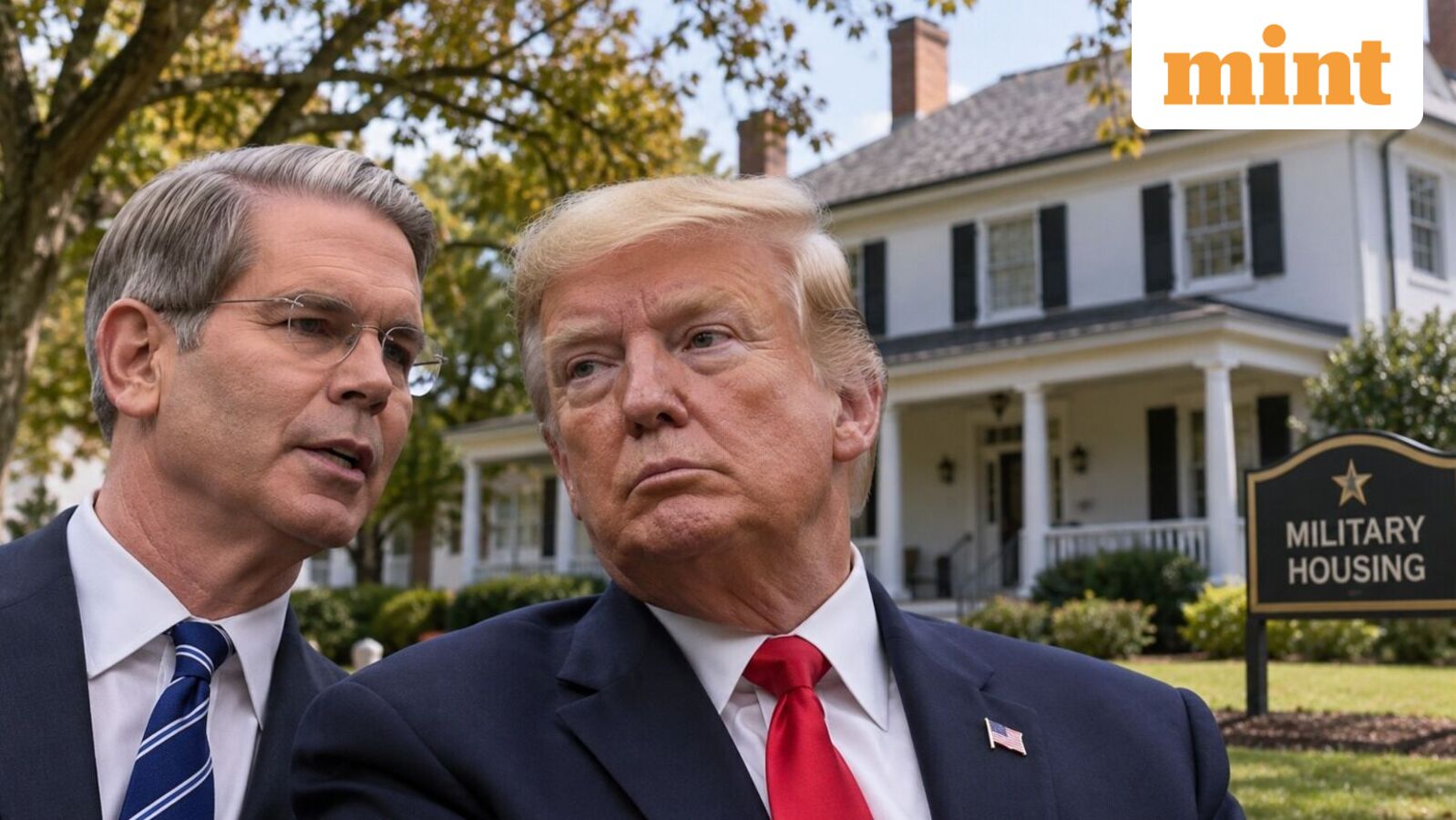
US military residences behind access‑controlled gates and fenced from the rest of Washington, D.C., have become popular homes for members of President Donald Trump’s Cabinet. Originally intended for generals and senior military officials, the houses are now occupied by roughly half a dozen senior civilian officials, a historically high number. Under previous administrations, it was uncommon for civilian leaders to live in such accommodation.
The shift follows reports that Iran was planning to target senior members of the Trump administration with a dirty bomb or chemical weapon in Washington. Experts say the trend of senior officials choosing secure military compounds could continue regardless of party affiliation, but it may erode the tradition of civilian leaders living among ordinary citizens.
White House chief of staff Stephen Miller and his wife, Katie, moved from their Virginia home to military housing after a documented stalking, doxing and threat campaign targeted their residence. Treasury Secretary Scott Bessent left his Georgetown mansion for a secure military base after Iranian threats to his life, citing his role in sanctions against Tehran. Attorney General Todd Blanche also relocated to a military base amid safety concerns.
A White House official noted a decline in crime in the capital and said the administration’s efforts have made the city “safe and beautiful.” However, Democratic lawmakers have scrutinized the changes. Rep. George Whitesides of California, who secured House Armed Services Committee approval for a report, said the investigation is needed to ensure politically‑appointed officials in military housing are paying fair market rates.
The Pentagon must submit a report to the House Armed Services Committee by spring, detailing which political appointees reside in military housing, the security threats behind their relocation, the legal basis for the arrangements and the rental charges involved.
The growing number of civilian officials in military housing raises questions about the use of properties intended for senior military personnel and the extent to which security concerns are reshaping how government leaders live in the capital.