World
Khartoum Faces Widespread Garbage Crisis as War‑Damaged Services Struggle to Recover
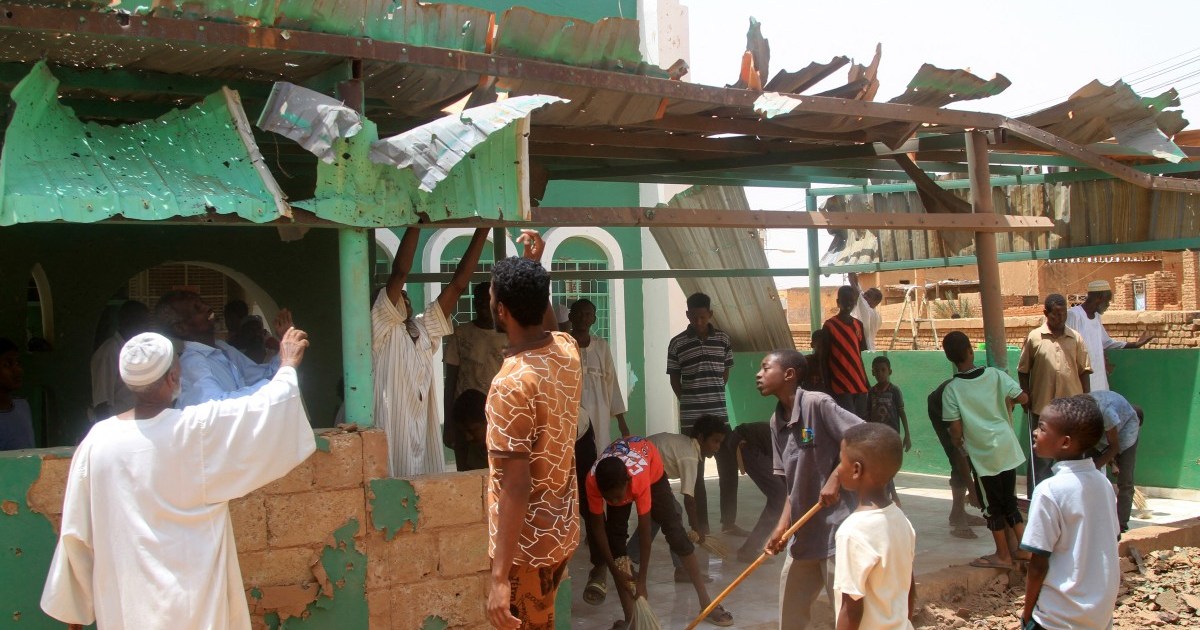
In Khartoum, Sudan, residents are confronting a severe garbage crisis that threatens public health and daily life. The problem intensified after the war between the Sudanese Armed Forces (SAF) and the Rapid Support Forces (RSF) in April 2023, which devastated infrastructure and disrupted waste collection services. When the SAF recaptured the capital in March 2025, a curfew and state of emergency were lifted, prompting many to return. By October 28, 2026, 2.88 million people had returned to Khartoum State, the highest number among Sudan’s states.
Musa Abdelrahman, 54, returned from Egypt in March 2023 and found the city’s streets littered with rubbish. He said the accumulation of waste has begun to affect daily life, with residents enduring foul smells and insects. Saeed Koko, a refuse collection worker, explained that pre‑war services covered most residential neighbourhoods, but now vehicles mainly operate in major markets, leaving many areas without regular collection. He cited a lack of specialised workforce, equipment, and vehicles, noting that the war displaced many workers.
Sawsan Omar, a returnee in Omdurman, described how residents burn piles of rubbish, exposing children and the elderly to smoke and toxic fumes. Public health specialist Dr. Al‑Fatih Mahmoud warned that repeated exposure to these emissions can cause eye, nose, throat irritation, coughing, shortness of breath, and worsen asthma, bronchitis, and other respiratory conditions. He highlighted the risk of disease transmission from flies, mosquitoes, and rodents, and potential gastrointestinal illnesses such as diarrhoea, gastroenteritis, typhoid, and cholera.
The United Nations High Commissioner for Refugees (UNHCR) reported that lack of solid waste management services is a growing concern among returnees. War damage has destroyed waste collection and transportation vehicles, maintenance workshops, spare parts warehouses, and many waste containers. Political analyst Ali Mansour Hasballah said restoring services requires rehabilitating institutions, providing resources and equipment, restoring the workforce, and developing sustainable plans.
Khartoum State Cleaning Cooperation stated that 90 percent of its sanitation and waste transportation fleet was lost to theft or damage, including 127 smaller vehicles and about 9,000 large waste containers. In response, the Sudanese government launched a 50‑day sanitation campaign this month, involving government institutions, ministries, and various sectors of society. Mineral resources minister and committee head Nour al‑Daem Taha said the central government would support the state’s efforts, mobilise resources, and rehabilitate machinery.
Additional efforts include a campaign to clear wrecked and abandoned vehicles from roads and a $4.5 million project announced on November 4, 2026, by Japan, the Japan International Cooperation Agency (JICA), and the United Nations Human Settlements Programme (UN‑Habitat) to clear rubble in Khartoum State. Residents, however, fear that the scheme may focus on high‑profile areas and neglect poorer, remote neighbourhoods. Omar urged that the campaign cover all areas, especially residential neighbourhoods and side streets, and produce lasting results beyond the 50‑day period.
Frequently asked questions
How many people returned to Khartoum State by October 28, 2026?
2.88 million people had returned to Khartoum State.
What percentage of Khartoum State Cleaning Cooperation's sanitation fleet was lost?
90 percent of its sanitation and waste transportation fleet was lost to theft or damage.