Climate & Environment
Flint Designates 230‑acre Riverfront as Michigan’s 104th State Park
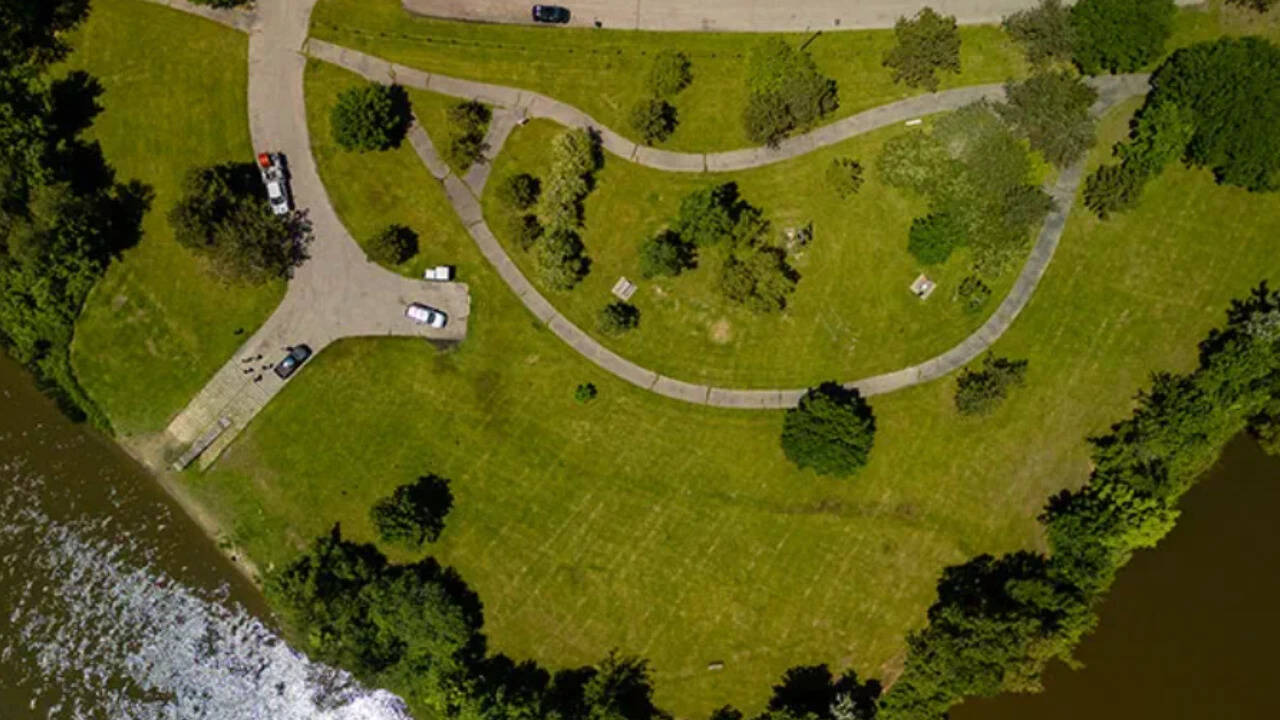
On November 19, 2026, Governor Gretchen Whitmer and local officials dedicated Flint State Park, Michigan’s 104th state park and the first in Genesee County. The park covers nearly 230 acres along three miles of the Flint River and a section of Swartz Creek, linking five existing parks and natural areas. The project was made possible by more than $100 million in federal, state and philanthropic funding, including $30.2 million from the federal Building Michigan Together Plan, over $10 million from the Michigan Natural Resources Trust Fund, nearly $30 million from the Charles Stewart Mott Foundation, and a $22 million state general‑fund appropriation that created a $40 million endowment managed by the Community Foundation of Greater Flint.
The park’s development follows the removal of Hamilton Dam and Fabri Dam in 2024, which opened about 25 miles of the Flint River to fish and other aquatic species. Six riffles were constructed to manage water levels and maintain flow. The five areas—Riverbank Park, Chevy Commons, Mott Park Recreation Area, Vietnam Veterans Park and Happy Hollow Nature Area—are now connected by trails and other improvements, forming a larger outdoor destination.
Chevy Commons, a 67‑acre site that was once part of General Motors’ manufacturing complex, is a key element of the park. The site, formerly known as Chevy in the Hole, employed around 8,000 workers in the 1930s and was largely paved over in the 1990s to contain contamination.
Construction and improvements will continue through 2028. Planned work includes renovations to Riverbank Park’s amphitheatre and Market Stall blocks, new walkways, seating, lighting and river access; play gardens at Chevy Commons featuring a zipline, climbing structures, seasonal water play areas and picnic spaces; and a 15‑mile network of mountain‑biking and multi‑use trails expected to finish in fall 2027. Interpretive signage and experiences exploring Flint’s history, including its Indigenous, industrial and labor heritage, will be developed with tribal partners, historians and other stakeholders.
Genesee County Parks will operate and maintain the park under an agreement with the Michigan Department of Natural Resources.