Opinion & Analysis
Europe’s Autumn Protests Highlight Economic Crisis and Corporate Power
By Nick Dearden
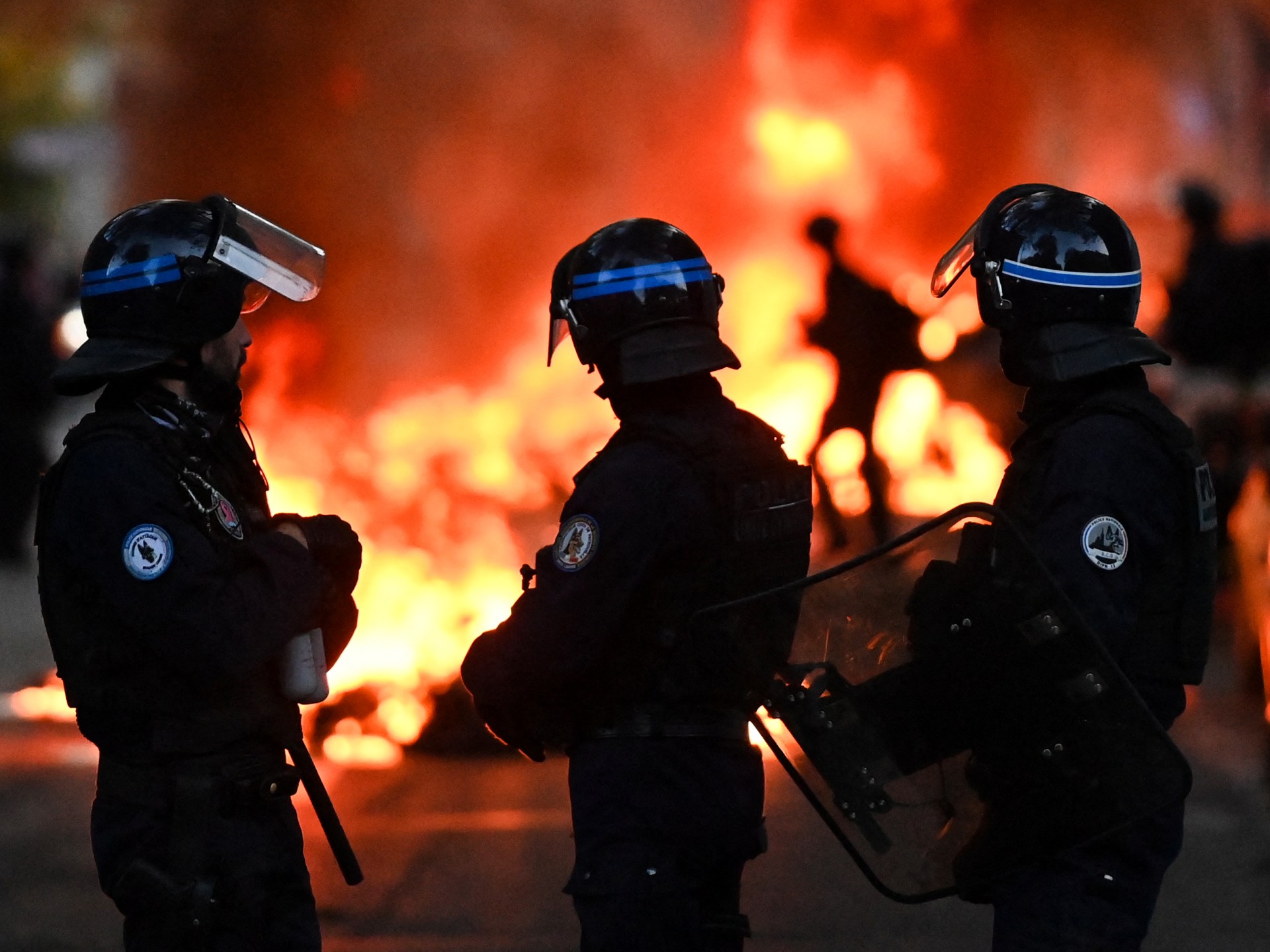
For several weeks, France has seen large student demonstrations over underfunded schools, teacher shortages and crumbling classrooms. In Spain, protests erupted after an 87‑year‑old woman was evicted from her 70‑year home when an investment fund raised her rent by 230 percent; she died two weeks later after hospital admission. The unrest has spread to Italy, where about one million people marched in 50 cities last week; to Portugal, where tent encampments have formed to oppose rapid housing‑price increases; to Germany, where riot police with water cannons confronted protesters against the gradual extension of conscription; and most recently to the United Kingdom, where thousands of students joined a day of action on November 20 under the slogan “Fight for our future, not their wars!” The common trigger of these Gen Z protests is the sharply rising cost of living. The pandemic, the war in Ukraine, US tariffs and the US‑Israel‑Iran conflict have disrupted global supply chains, driving prices up. The article argues that this is only a symptom of a deeper problem: deregulation and neoliberal policies have allowed corporations to dominate both the economy and politics, concentrating wealth at the top and increasing precarity for most Europeans. Climate change and the rollout of artificial intelligence threaten mass unemployment, worsening the situation. The author calls for a fundamental rethink of the economy, noting that the current political class lacks the will to govern effectively. The piece traces how, 40 years ago, governments embraced the free market and relinquished economic control, believing competition would spur growth. Over time, the market has become dominated by large corporations that pressure governments, stretch supply chains, privatise profits while socialising costs, fuel inequality and damage the environment. Key economic decisions are now made in corporate boardrooms, prioritising investor self‑interest. The author argues that this focus on enriching the few explains the crumbling public infrastructure and the commodification of housing, education and healthcare. Politicians are dismantling the welfare state, claiming they can no longer afford to care for the poorest, when in fact the problem is that the rich can no longer be afforded. Some Europeans now accept the need for industrial strategy, economic planning and government intervention—tools abandoned at the start of the free‑market era. However, these tools can only be used properly if power is taken back from monopolies, requiring a shift in the relationship between those who own society and those who live in it. The author calls for a New Deal on the scale of Franklin D. Roosevelt’s 1930s policies, noting that Europe’s post‑war social contract—shared growth benefiting all—no longer works in a world of resource constraints. The richest countries have already used up their fair share of global resources. One potential solution is to reassert Western dominance, but the author warns that European governments will likely invest in the war machine rather than industry. Military spending will not revive European industry or security; it will empower monopolies and bring conflict closer. The youth protests, with anti‑military slogans in German cities, reflect a demand for radical change. The author concludes that Europe is entering a post‑growth world that requires a fundamental reallocation of society’s resources, and that only politicians willing to remove corporate power and break up monopoly capitalism can achieve this. The views expressed are the author’s own and do not necessarily reflect Al Jazeera’s editorial stance.
Frequently asked questions
How many people marched in Italy during the protests?
About one million people marched in 50 cities last week.
What happened to the 87‑year‑old woman in Spain?
She was evicted from her 70‑year home when an investment fund raised her rent by 230 percent; she died two weeks later after hospital admission.
What slogan did UK students use during their protest?
Fight for our future, not their wars!