World
Americans Rush to Stockpile Emergency Supplies Amid Rising Fears of Service Disruptions
By Bhanu Pratap
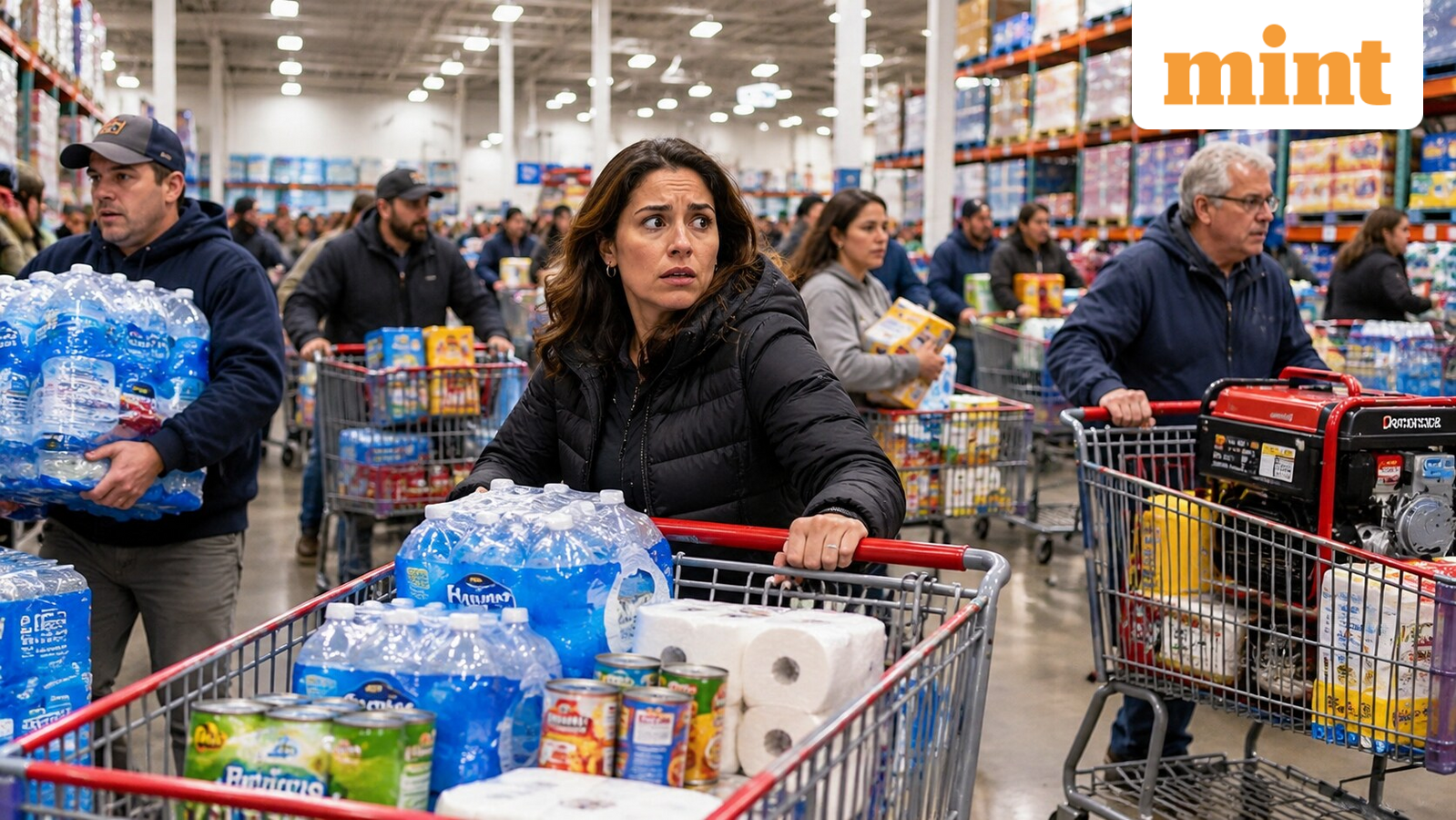
Bottled water, canned food, propane, generators and camping gear are increasingly appearing in American shopping carts as consumers prepare for possible breakdowns of essential services. The surge, noted by major retailers such as Walmart, Costco and Tractor Supply, has accelerated over recent weeks, according to a Bloomberg report. Shoppers are buying non‑perishable food, drinking water, batteries and power generators in anticipation of prolonged disruptions to daily life.
The trend has been driven by technology outages, government preparedness messaging and alarming claims circulating on social media. What was once mainly associated with survivalists and doomsday preppers is now attracting a broader consumer base. President Donald Trump and Vice President J.D. Vance publicly reassured Americans that there is no need to prepare for a disaster or stockpile supplies.
Walmart Chief Financial Officer John David Rainey told Bloomberg that customers had been purchasing more propane, bottled water and camping equipment earlier this month. Costco CFO Gary Millerchip reported increased sales of rice, canned food and bottled water, noting a rise in purchases of rice, canned goods, water, paper products, generators and batteries since late October. Tractor Supply Co. said it had seen stronger demand for emergency‑related products, including generators, liquid storage tanks and propane accessories, and that these items were being bought at a faster rate than other categories.
The trend extends beyond traditional retail chains. Survival Frog, an online U.S. retailer specializing in emergency preparedness products, recorded a 450% jump in sales volume in the three weeks after October 27, with new customers accounting for most of the increase, Axios reported. Google Trends data showed that searches for “emergency supplies” rose 300% over the past month compared with the same period last year.
The surge was not triggered by a single event but followed a series of developments that amplified concerns about critical infrastructure and technology systems. According to RBC Capital Markets analyst Nik Modi, a Pentagon military‑readiness directive issued in late September was misinterpreted on social media as a warning that the U.S. was preparing for a 90‑day blackout. The claim spread on platforms such as TikTok. Confusion was compounded by reports of emergency preparedness campaigns in countries including the UK, Japan, Germany and Norway, which some users interpreted as indications of a wider impending crisis.
A viral claim suggested that the U.S. would experience a nationwide power outage lasting 90 days from November 17, and manipulated videos falsely implied that Trump had announced the shutdown. No evidence supported these claims. A PolitiFact fact‑check published earlier this week found the warnings about a 90‑day power shutdown to be false.
Another factor was a nationwide emergency alert test conducted by the Federal Emergency Management Agency (FEMA) on November 17, coordinated with the Federal Communications Commission (FCC). The test is a routine requirement to assess the Emergency Alert System and is conducted at least once every three years. Its timing, coinciding with viral blackout claims, added to public confusion.
High‑profile technology disruptions in recent weeks have further amplified concerns about the vulnerability of essential services. The stockpiling trend, however, began several weeks before the latest outages. The trend has reached the highest levels of the U.S. administration, with Trump and Vance attempting to calm public anxiety. In an interview with Fox News on Thursday, Trump dismissed the need for Americans to panic, saying, “Tell them to relax, everything’s good. I’ll let you know if there’s a problem.” Vance also told Fox News earlier this week that several people had asked him whether they should build bunkers or stock up on food and water, to which he replied, “My answer to that is no.”
Despite the reassurances, the continued rise in emergency supply purchases highlights how quickly unverified online claims and fears about infrastructure disruptions can translate into real‑world consumer behaviour.