World
UK‑EU Deal Aims to Ease Trade, Boost Youth Mobility and Link Emissions Systems
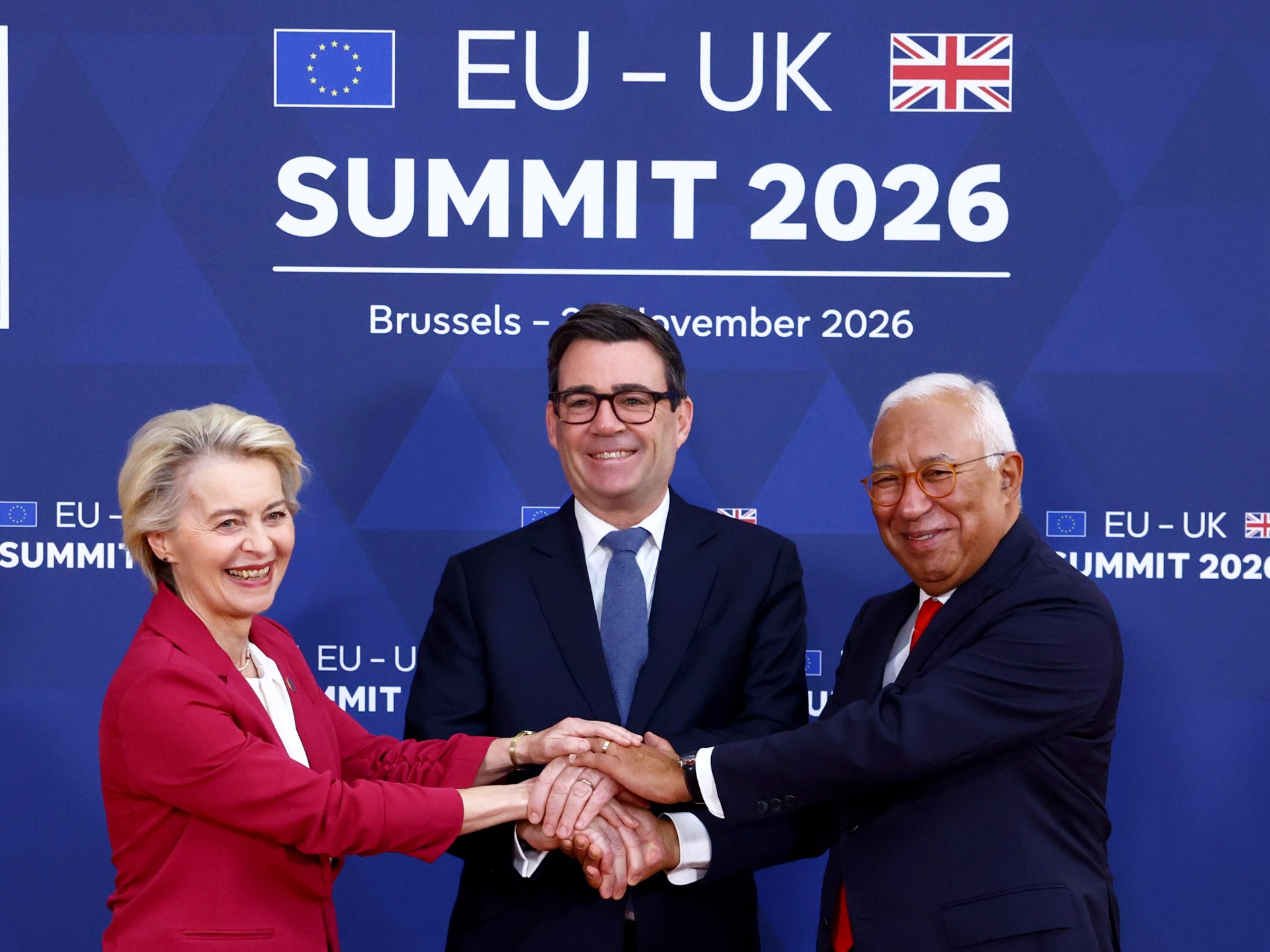
The United Kingdom and the European Union have agreed on a package designed to repair economic damage caused by Brexit. At a joint news conference after the EU‑UK summit in Brussels, UK Prime Minister Andy Burnham said the agreements would “rebuild the bridges that were broken all those years ago” and called them a “good deal for Britain.” European Commission President Ursula von der Leyen noted that the world has changed since Brexit and that the two sides have worked together from the start.
The package covers three main areas. First, it will remove checks and reduce paperwork for food and agricultural products traded between Britain and the EU, potentially lowering costs for businesses and consumers. Second, it will link the UK’s and the EU’s emissions‑trading systems, giving an exemption to goods such as steel from each side’s border carbon levies. Third, a youth mobility programme will allow up to 100,000 people under 30 from each side to live in the other’s territory for up to three years for work, study or travel.
Burnham said the agreements could add 0.5 percent to Britain’s GDP, up from his earlier estimate of 0.4 percent, and described the package as a way to cut costs, keep supermarket prices down and create opportunities for young people.
Disagreements remain. Brussels wants EU students at British universities to pay the same domestic rates as British students, rather than the higher international fees currently charged, a proposal London has resisted. An EU official said the parties have six months to reach an agreement on tuition fees. Another unresolved issue is Britain’s request for access to the EU’s “made in Europe” rules, which the EU is willing to grant only if London aligns with its policies that restrict imports of Chinese electric vehicles.
Burnham said his government will examine longer‑term options, from maintaining the current arrangements to joining the EU customs union or eventually rejoining the bloc. Rejoining would require support from British voters and unanimous approval from EU member states, making an immediate return unlikely.
The negotiations have divided the UK’s political landscape. Some Labour MPs support closer ties but fear reopening the Brexit debate, while Conservatives and Reform UK have criticised the government’s direction. A YouGov poll found 54 percent of UK citizens think a rejoin referendum would be acceptable in the next five years, though opinions vary on its priority.
European officials remain cautious about Britain’s long‑term intentions. Ireland’s ambassador in London, Sonja Hyland, said there is a lack of clarity about what Brexit means and that Britain must make a clear decision about what it wants if it wishes to reopen negotiations.
Frequently asked questions
What are the main components of the UK‑EU deal?
It removes checks and paperwork for food and agricultural products, links the UK and EU emissions‑trading systems, and introduces a youth mobility programme allowing up to 100,000 people under 30 from each side to live in the other for up to three years.
How could the deal affect the UK economy?
UK Prime Minister Andy Burnham said the agreements could add 0.5 percent to Britain’s GDP, up from his earlier estimate of 0.4 percent, and help cut costs and keep supermarket prices down.
What unresolved issues remain between the UK and EU?
Disagreements include EU students paying domestic rates at British universities, a six‑month deadline to agree on tuition fees, and Britain’s request for access to the EU’s “made in Europe” rules, which the EU will grant only if the UK aligns with its policies restricting imports of Chinese electric vehicles.