World
Trump, Putin, Xi Announce Plan to Boost Global Fuel Supply Amid Ongoing Conflicts
After a trilateral summit in Shenzhen, China, on Thursday, U.S. President Donald Trump, Chinese President Xi Jinping and Russian President Vladimir Putin issued a joint statement saying they "plan to increase the production and supply of refined petroleum products for the benefit of all nations" and "reaffirmed the importance of stable energy flows." Analysts, however, question how the plan will be implemented given the current constraints on refining capacity in the three countries.
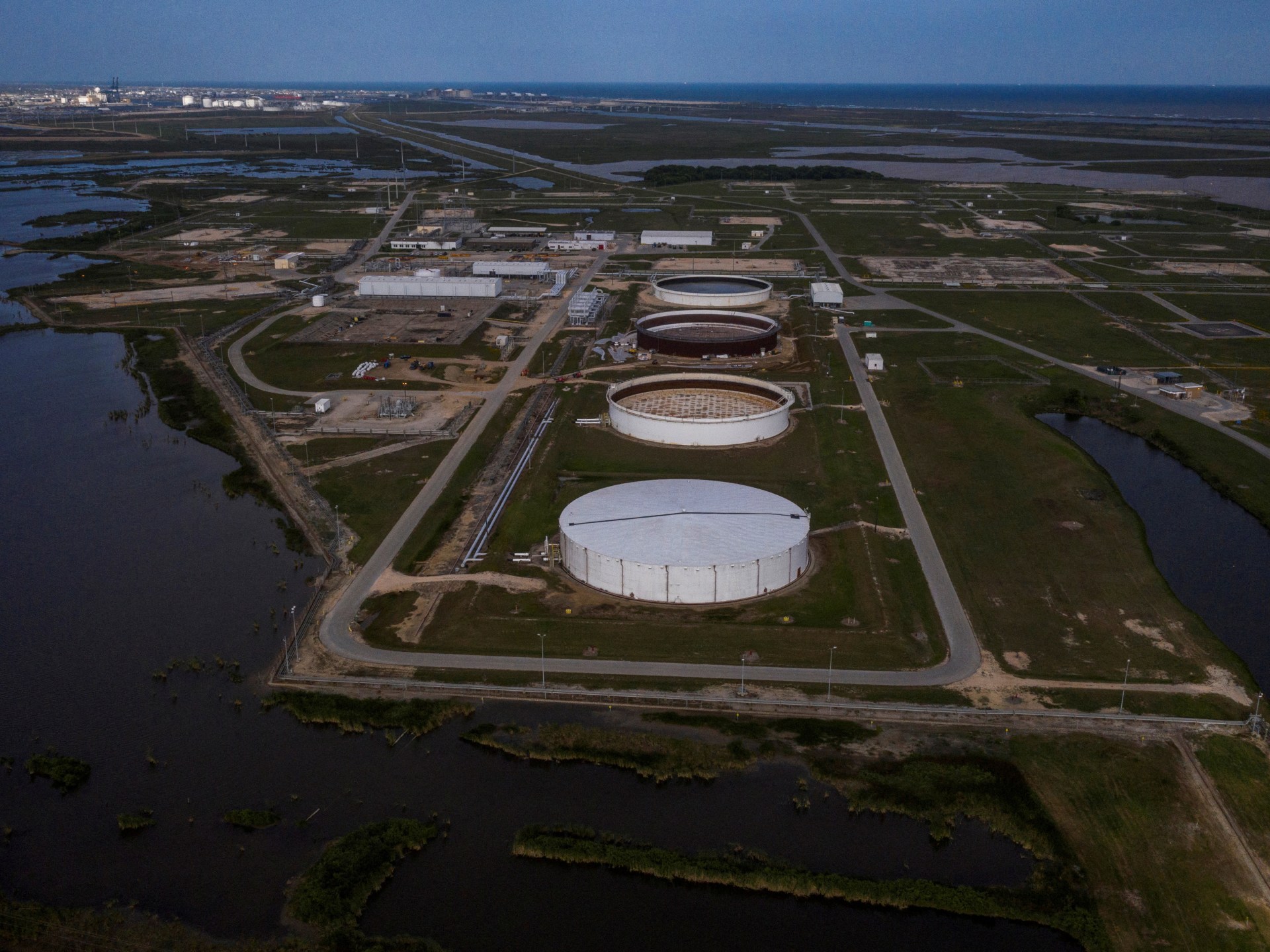
The United States has an operable crude oil distillation capacity of about 18.16 million barrels per day (bpd) as of January 1, 2026. U.S. refineries are running at near‑full capacity, with utilisation above 95 % between May and September, the highest for those months since 1998. The U.S. has no spare capacity to increase output, though the Trump administration has expressed a desire to reopen refineries. In October, Valero Energy agreed to buy the LyondellBasell refinery near Houston and restore 165,000 bpd of processing capacity by the end of 2027, adding roughly 1 % to overall U.S. refining capacity.
China, the world’s largest oil refiner, has about 18.5–18.83 million bpd of refining capacity. Its refining depends on crude imports that were disrupted by the U.S.–Iran conflict in the Strait of Hormuz. China’s crude oil imports fell by 2.1 million bpd in Q2 2026 and by an additional 0.8 million bpd in Q3 2026, but have largely recovered. In October, China recorded 9.88 million bpd of crude arrivals, the highest since March.
Russia’s refining capacity is roughly 6.5 million bpd. Ukrainian drone strikes have severely impacted its output; in June 2026 refinery throughput fell to 3.8 million bpd, about 30 % below the previous year and the lowest in more than 20 years. Since late October, drone attacks have cut Russian refinery volumes by 45 %. The country has imposed fuel sales limits in several regions, including Sevastopol, Tomsk, and Penza, to manage shortages.
India has about 5.36 million bpd of refining capacity and also relies on crude imports that have been affected by blockades in the Strait of Hormuz.
Experts say the joint statement is more political rhetoric than a concrete plan. Hamad Hussain of Capital Economics called it "political noise" and noted that the U.S. has no spare refining capacity. Frederic Schneider of the Middle East Council on Global Affairs said previous attempts, such as a U.S.–Russian diesel deal, failed to materialise.
The ability of the three powers to increase global fuel supply will depend on restoring Russian refinery operations, stabilising Chinese crude imports, and expanding U.S. refining capacity, none of which is guaranteed under current war conditions.