Science
Devils Hole Pupfish Count More Than Doubles to 137 After Earthquake‑Induced Decline
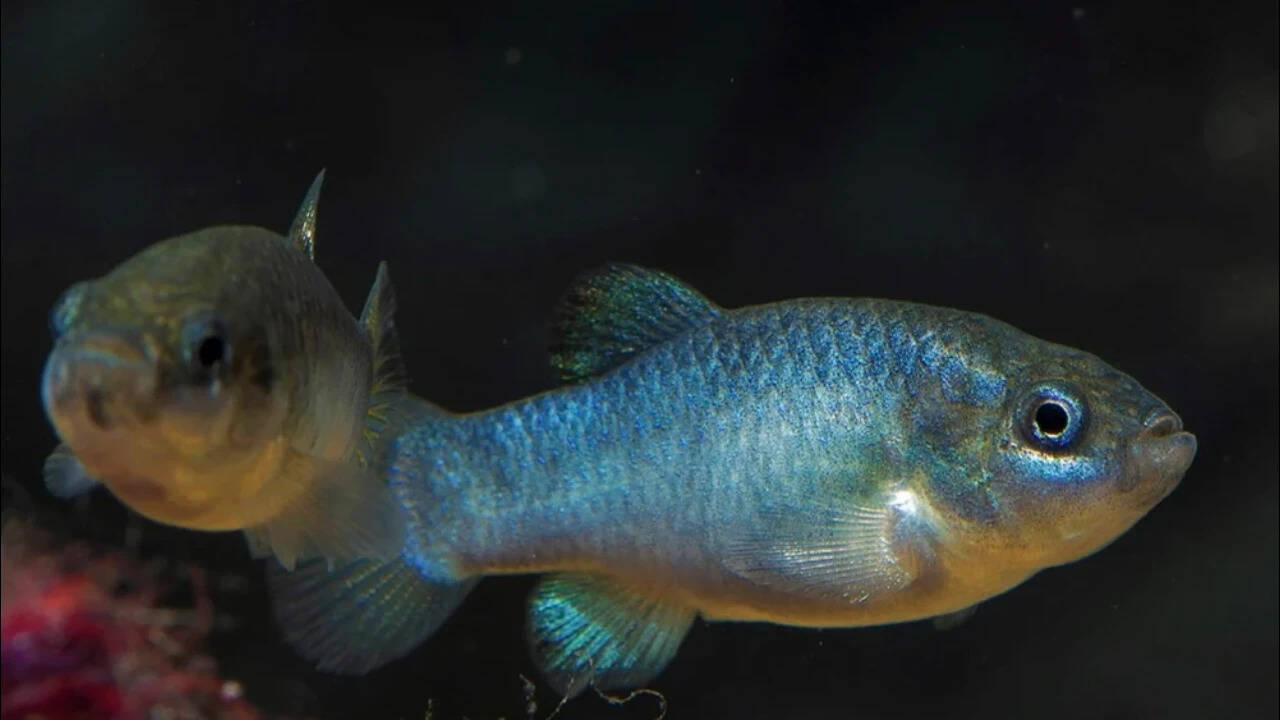
A tiny fish that rarely grows beyond an inch is showing a remarkable rebound. In Nevada’s Death Valley National Park, the Devils Hole pupfish—found only in a single water‑filled limestone cavern—was counted at 137 individuals during an October 10 survey, more than double the 69 fish recorded in the autumn of 2025 and nearly twice the 77 observed in spring 2026. The survey, conducted by divers and surface counters from the National Park Service and the U.S. Fish and Wildlife Service, has monitored the population using these methods since 1972. "It’s exciting to see Devils Hole pupfish numbers increase so significantly over the past year," said Mike Reynolds, superintendent of Death Valley National Park. "These results reflect the dedication of our scientists and conservation partners working to protect this extraordinary species. While challenges remain, we’re encouraged by this progress and committed to its long‑term survival." The pupfish, a small blue fish, lives exclusively on a shallow limestone shelf about 215 square feet in the cavern, where water temperatures stay around 90 to 93 °F and oxygen and nutrient levels are low. The species feeds on algae and small invertebrates. In December 2024 and February 2025, earthquakes generated waves that swept away algae, fish eggs and other organic material from the shallow shelf, reducing the population to about 20 fish by March 2025. The fish’s short lifespan of 10 to 14 months left little room for prolonged decline. Conservation efforts included maintaining a captive population at the Ash Meadows Fish Conservation Facility, where a 100,000‑gallon tank replicates key habitat features. Between March 2025 and February 2026, 72 captive‑raised pupfish were released into Devils Hole, the first time the species had been returned to its natural habitat. Supplemental food was also provided while algae recovered. Biologists believe most of the 137 fish counted in the latest survey hatched and grew naturally in the cavern, indicating successful reproduction in the wild. The Devils Hole pupfish was listed as endangered in 1967, and a 1976 Supreme Court decision upheld protections against groundwater pumping that could lower water levels. Although the recent count is encouraging, the species remains vulnerable to earthquakes, water‑level fluctuations and changes in food supply, as its entire wild population depends on a single isolated cavern. The rebound from 20 to 137 fish underscores the impact of sustained conservation, scientific monitoring and targeted intervention for a species that had once teetered on the brink of extinction.
Frequently asked questions
What is the current population of Devils Hole pupfish?
137 individuals were counted in the October 10 survey.
What caused the decline in the pupfish population?
Earthquakes in December 2024 and February 2025 generated waves that swept away algae, fish eggs and other organic material from the shallow shelf, reducing the population to about 20 fish by March 2025.
How did conservation efforts help the pupfish population rebound?
Between March 2025 and February 2026, 72 captive‑raised pupfish were released into Devils Hole, supplemental food was provided while algae recovered, and monitoring continued, leading to a rebound to 137 fish.