Science
Beaver Territories in Scotland Surge to 349, With 56 Potential New Sites Identified
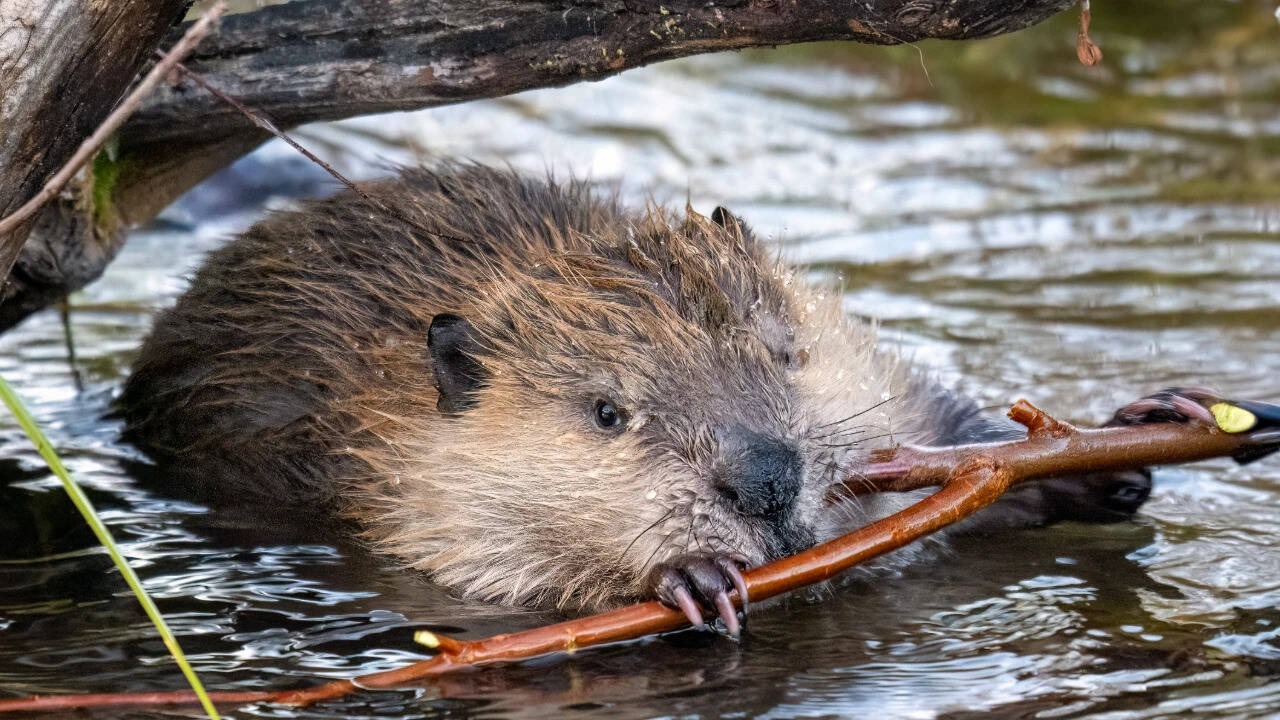
The largest ever survey of beavers in Scotland, carried out by the Beaver Trust and the University of Exeter, confirmed 349 territories across Tayside and the Forth and identified an additional 56 that may be occupied, bringing the possible total to 405. The results were published today in the journal NatureScot.
The study covered 2,397 km of watercourses—including rivers, burns, lochs and drainage systems—during 2024–2026. Surveyors on foot and by canoe recorded 20,853 signs of beaver activity such as burrows, dams, lodges, scent mounds, canal digging and evidence of feeding on trees and crops.
Historical data show a clear upward trend: 39 territories were recorded in 2012, 114 in 2017–2018 and 251 by 2020–2021. The new survey confirms that beavers are expanding into new areas, now living across the Forth and Fife regions, along the shoreline of the Firth of Tay, and in the South Esk and Clyde river catchments.
In the Tay and Forth areas, where beavers have been present longer, new territories are emerging between previously established ones. The species is moving away from farmland; waterside woodland accounted for 50 % of all recorded activity this time, up from 34 % in 2020–2021, while activity on agricultural land fell from 41 % to 28 %.
Dr Roisin Campbell‑Palmer, Head of Restoration at the Beaver Trust, said the team had probably carried out the biggest survey of beaver activity ever attempted. She added that the population growth appears to be slowing compared with earlier surveys as core catchments become more occupied and natural and human‑made barriers limit movement into some new catchments.
NatureScot mammal adviser Dr Roo Campbell noted the ecological benefits of beavers, including the creation of wetlands that aid biodiversity and help mitigate flood and pollution risks. He said the Beaver Mitigation Scheme will remain available to help land managers as the population continues to spread.
Dr Alan Puttock of the University of Exeter said the surveys provide an unprecedented, detailed picture of beavers returning to modern landscapes and will encourage coexistence with wild beavers in Scotland and beyond.
The Scottish Beaver Advisory Group has released an information pack for communities where beavers are arriving for the first time, outlining what residents can expect as the animals move into their area.
Frequently asked questions
How many beaver territories were confirmed in the latest survey?
The survey confirmed 349 territories across Tayside and the Forth.
What is the potential total number of beaver territories in Scotland?
Adding the 56 potential new sites to the confirmed 349 gives a possible total of 405 territories.
How many signs of beaver activity were recorded during the survey?
Surveyors recorded 20,853 signs of beaver activity such as burrows, dams, lodges, scent mounds, canal digging and evidence of feeding on trees and crops.