World
Sudanese Army Secures Key West Kordofan Town, Shifting Battle Against RSF
By N Mahmoud
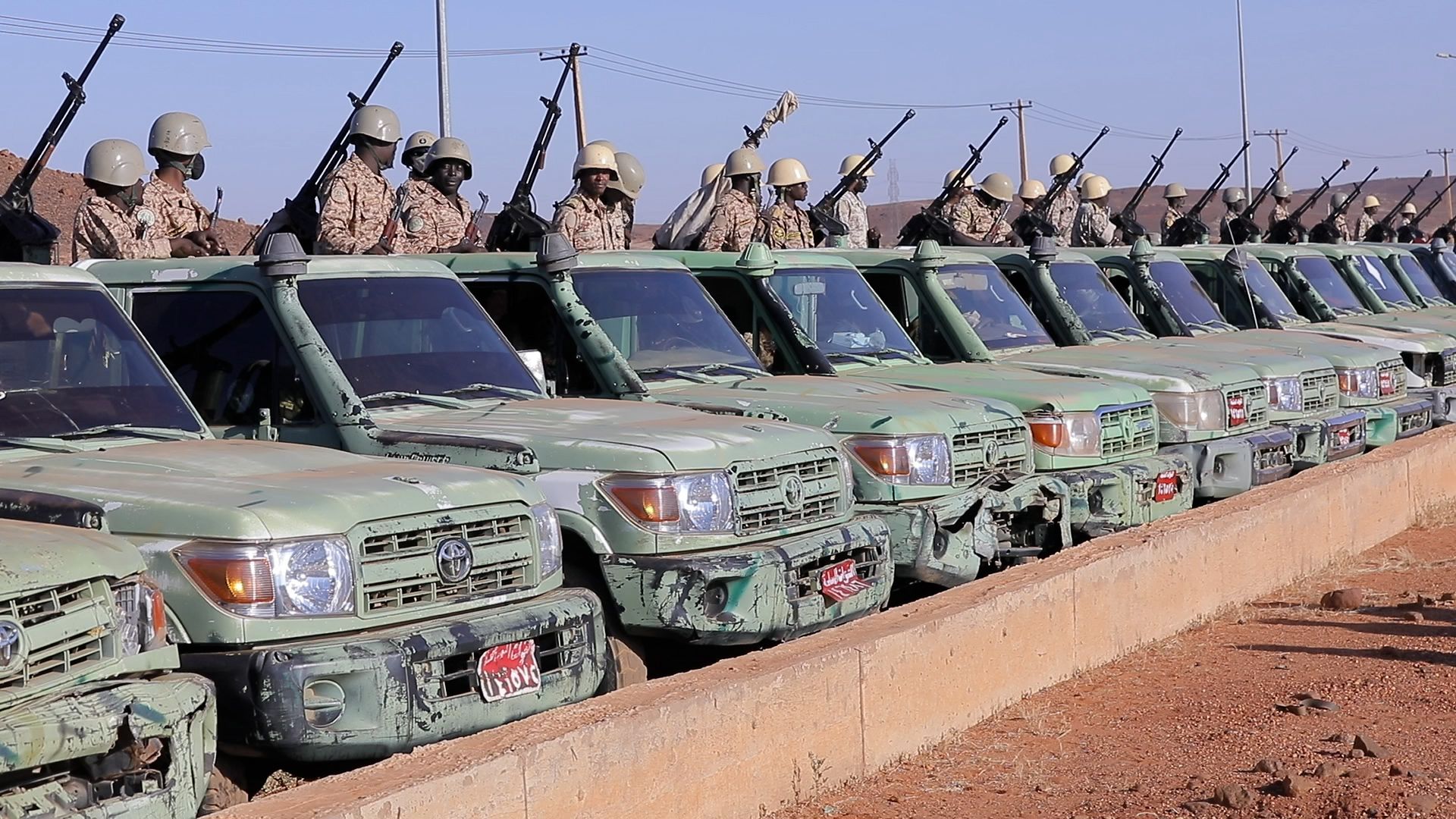
The Sudanese Armed Forces (SAF) captured the town of al‑Khuwai in West Kordofan on Friday, a move that could tilt the ongoing conflict with the Rapid Support Forces (RSF) in favor of the government. Al‑Khuwai is a strategically important site in a resource‑rich state where the SAF and allied Darfur forces have already broken the RSF siege of al‑Obeid, the capital of North Kordofan, and opened new routes for advances into South Kordofan and North Darfur.
The RSF, supported by the Sudan People’s Liberation Movement‑North led by Abdelaziz Al‑Hilu, still controls al‑Nuhud and parts of South Kordofan. Analysts say the RSF’s recent setbacks in southern and western Sudan may weaken its ability to mobilise tribal support, a core element of its military strategy. Mohamed Ali, an independent Sudanese analyst, told Al Jazeera that the RSF’s shift from attack to defence could force it to withdraw from Kordofan and reposition in Darfur, giving the SAF a strategic advantage.
The RSF’s main tribal base lies in the Arab communities of south and east Darfur, around Nyala and el‑Daein, and in border areas. Mohiedeen Mohamed, an expert on Sudanese military affairs, explained that the RSF’s alliances with tribal groups in Kordofan are largely pragmatic and may falter as the SAF gains ground.
Since the 2019 ouster of former President Omar al‑Bashir, a power struggle between SAF commander General Abdel Fattah al‑Burhan and RSF leader Mohamed Hamdan “Hemedti” Dagalo has escalated into a nationwide war that began in April 2023. The fighting has caused about 150,000 deaths and displaced more than 14 million people, with the UN describing Kordofan as the epicentre of Sudan’s conflict.
The SAF’s growing air superiority and use of drones, combined with changing ground tactics, have enabled advances such as the capture of al‑Khuwai, reducing the RSF’s chances of regaining lost territory. Humanitarian operations have largely halted due to the deteriorating security situation. Omer Yousif, a 55‑year‑old aid driver, said that restoring SAF control over Kordofan could allow more aid to reach both Kordofan and Darfur.
Al‑Rasheed Mohamed, a military expert, noted that the SAF offensive in Kordofan is part of a broader strategy to reclaim control of the entire country. He said the army is now taking the initiative across multiple fronts while the RSF is pushed into a defensive position.
Control of Kordofan also offers significant economic and strategic benefits. The region is rich in agricultural products and hosts the Heglig oilfield, a major oil processing and transit hub for Sudanese and South Sudanese crude, as well as gold deposits. Professor Mohamed al‑Nayer of the University of Sudan said that restoring state control would allow the government to regain natural resources, revive exports, and lay the groundwork for economic recovery.
Kordofan’s proximity to South Sudan gives it control over key border crossings, trade routes, and pastoral corridors. Both Sudan and South Sudan have a shared interest in securing oil infrastructure and restoring cross‑border trade. Securing the Heglig and Balila fields, which produce 90% of Sudan’s oil, would also enhance the SAF’s national and international legitimacy and reduce the country’s dependence on imported petroleum.
Frequently asked questions
Which town did the Sudanese Armed Forces capture in West Kordofan?
The SAF captured al‑Khuwai.
What resources are located in Kordofan?
Kordofan is rich in agricultural products, hosts the Heglig oilfield, and contains gold deposits.