World
Blinken Highlights Tech Cooperation as Key Driver of India‑US Relations
By Rituraj Baruah, Ramita Mishra
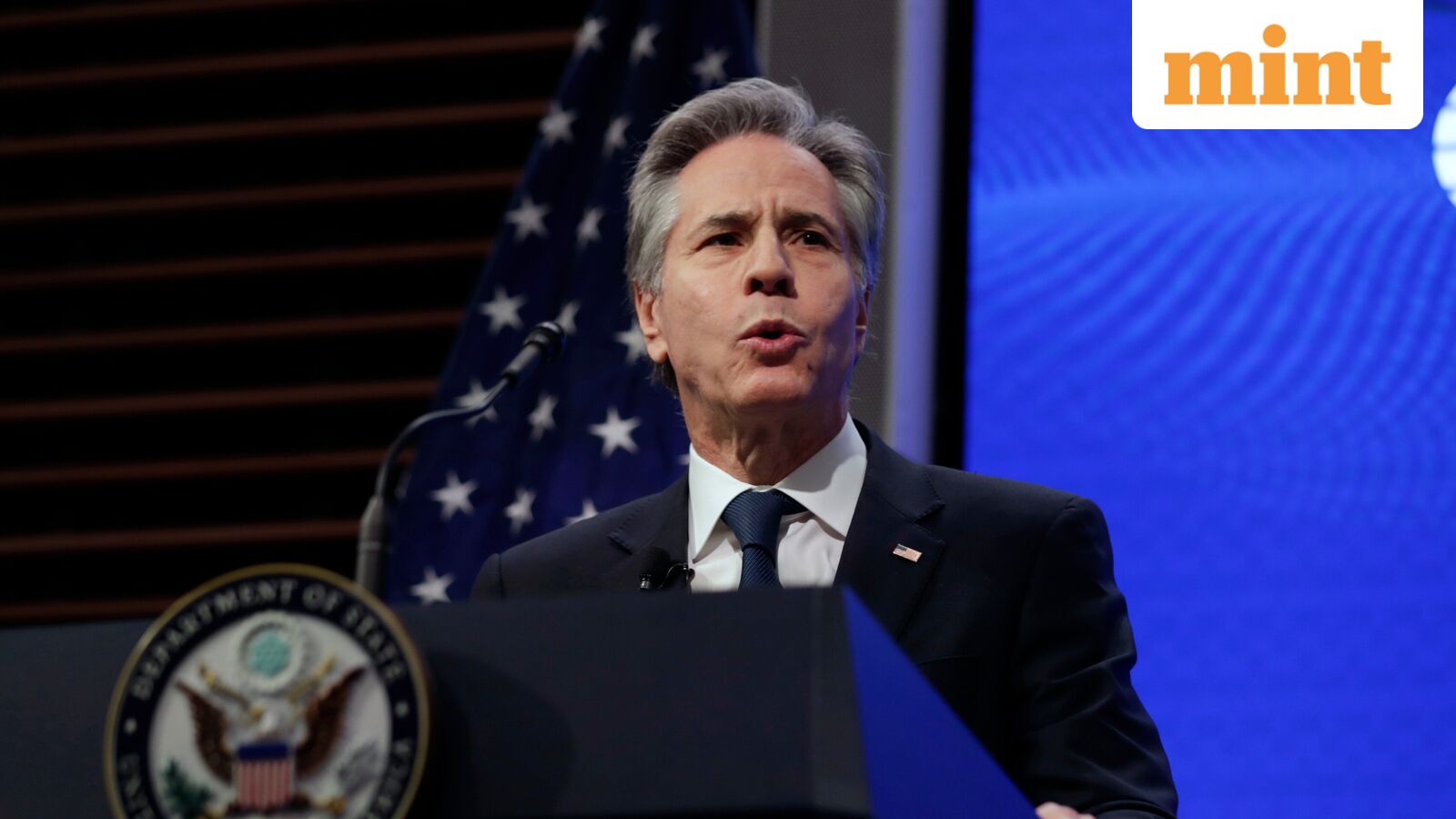
Former U.S. Secretary of State Antony Blinken said on Saturday that technological collaboration will shape the next phase of India‑U.S. ties. Speaking at the Hindustan Times Leadership Summit 2026 in New Delhi, he described the partnership as a global relationship addressing worldwide challenges. Blinken noted that the two countries can work together on semiconductors, artificial intelligence, space, and quantum technologies. "The relationship, partnership or the strategic convergence between the U.S. and India is an essential element of this new century and one that we continue to pursue and to deepen," he said. He referenced the 2008 civil nuclear deal and added that the ability to cooperate on nuclear matters was a turning point, and that future cooperation should focus on technology. "That should be the driving force…our ability to work together on producing semiconductors, securing AI supply chains, working together on space, quantum…are a kind of glue that continues to get stronger," Blinken said.
The remarks come as India and the U.S. work on a bilateral trade deal, with talks underway to finalize the first tranche of a proposed agreement. Blinken also criticized the U.S. war against Iran as an "unnecessary war" and a "war of choice," noting a 20–25% chance of further escalation in West Asia. He called for an off‑ramp from the conflict, arguing that any resolution would need to address Iran’s nuclear program and that the current approach may not lead to a meaningful change.
The U.S. launched the war against Iran on 28 February after allegations of an imminent Iranian attack and failed bilateral talks. A preliminary ceasefire was signed in June, but the truce proved fragile. Iran’s foreign minister Syed Abbas Araghchi has urged the United Nations and its nuclear watchdog to condemn a U.S. reward of up to $20 million for information on Tehran’s nuclear program. The U.S. State Department announced a bounty and possible relocation for details on Iran’s nuclear facilities and personnel.
President Donald Trump has previously suggested bombing Iran’s nuclear facilities again, while the U.S. and Israel carried out airstrikes on Iran’s program in June 2025. Earlier this week, Trump indicated that further military strikes were not immediately necessary, favoring economic pressure and diplomacy. The attacks on Iran and the killing of its Supreme Leader, Ayatollah Ali Khamenei, on 28 February 2026 prompted Iran to close the Strait of Hormuz, causing a surge in global oil prices.
Blinken also said that Washington’s bilateral ties with India and Pakistan should be "de‑hyphenated," noting that the U.S.‑India relationship is a global partnership focused on global challenges, whereas ties with Pakistan remain a regional partnership centered on regional issues.
Frequently asked questions
Which technology areas did Blinken identify for India‑US collaboration?
Semiconductors, artificial intelligence, space, and quantum technologies.
What did Blinken say about the 2008 civil nuclear deal?
He said it was a turning point that enabled cooperation on nuclear matters and future cooperation should focus on technology.
How did Blinken describe the relationship between the US and India compared to the US and Pakistan?
He said the US‑India relationship is a global partnership focused on global challenges, while the US‑Pakistan relationship is a regional partnership focused on regional issues, and should be 'de‑hyphenated'.