World
Trump Says Renewed Military Action Against Iran Unlikely If Strong Deal Signed
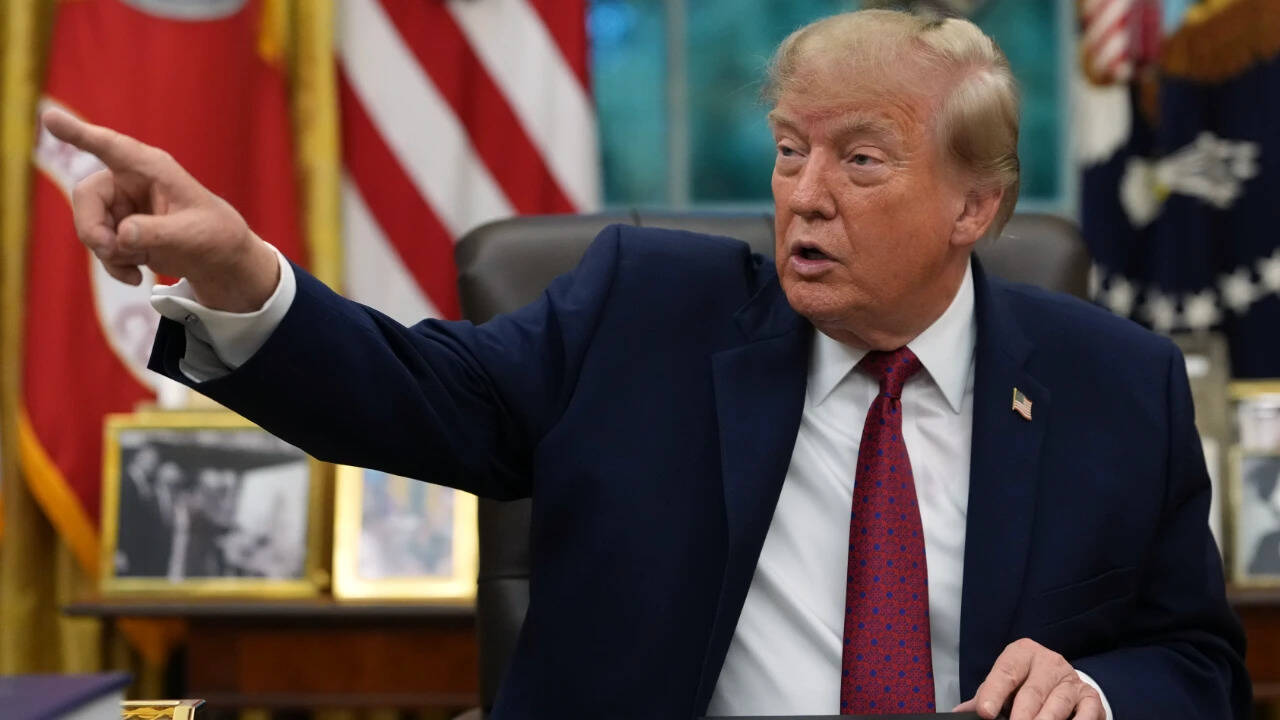
President Donald Trump said it is “highly unlikely” that he will order American forces to resume military operations against Iran if Tehran makes tangible progress in negotiations over its nuclear programme and the reopening of the Strait of Hormuz. In a 20‑minute telephone interview with CNN, Trump repeated that renewed military intervention would be unlikely if Iran agreed to what he described as a strong agreement. He added that economic sanctions and previous American military strikes had significantly weakened Iran’s capabilities, describing the country as a “failing nation” with high inflation. Trump also revealed that the United States has identified 38 Iranian bridges that could be destroyed within an hour if further military action became necessary, but said he would not order their destruction because it would take years to rebuild them. Tehran has dismissed suggestions that political developments in Washington could influence its position toward the US. An adviser to Iran’s Supreme Leader urged the government to focus on domestic economic resilience rather than American electoral outcomes. Separately, a spokesperson for Iran’s Armed Forces warned Washington against continuing what Tehran describes as hostile policies, claiming that the U.S. military strategy has weakened American influence in West Asia and that any power opposing Iran will collapse in public opinion.
Frequently asked questions
What did Trump say about military action against Iran?
Trump said it is highly unlikely he will order American forces to resume operations against Iran if Tehran makes tangible progress in negotiations over its nuclear programme and the reopening of the Strait of Hormuz.
How many Iranian bridges could be destroyed quickly?
The United States has identified 38 Iranian bridges that could be destroyed within an hour if further military action became necessary.
What did Trump say about Iran’s economic situation?
Trump described Iran as a failing nation with high inflation, noting that economic sanctions and previous American military strikes had significantly weakened its capabilities.