World
India’s Foreign Minister Visits Baku, Signals New Phase in Azerbaijan Relations
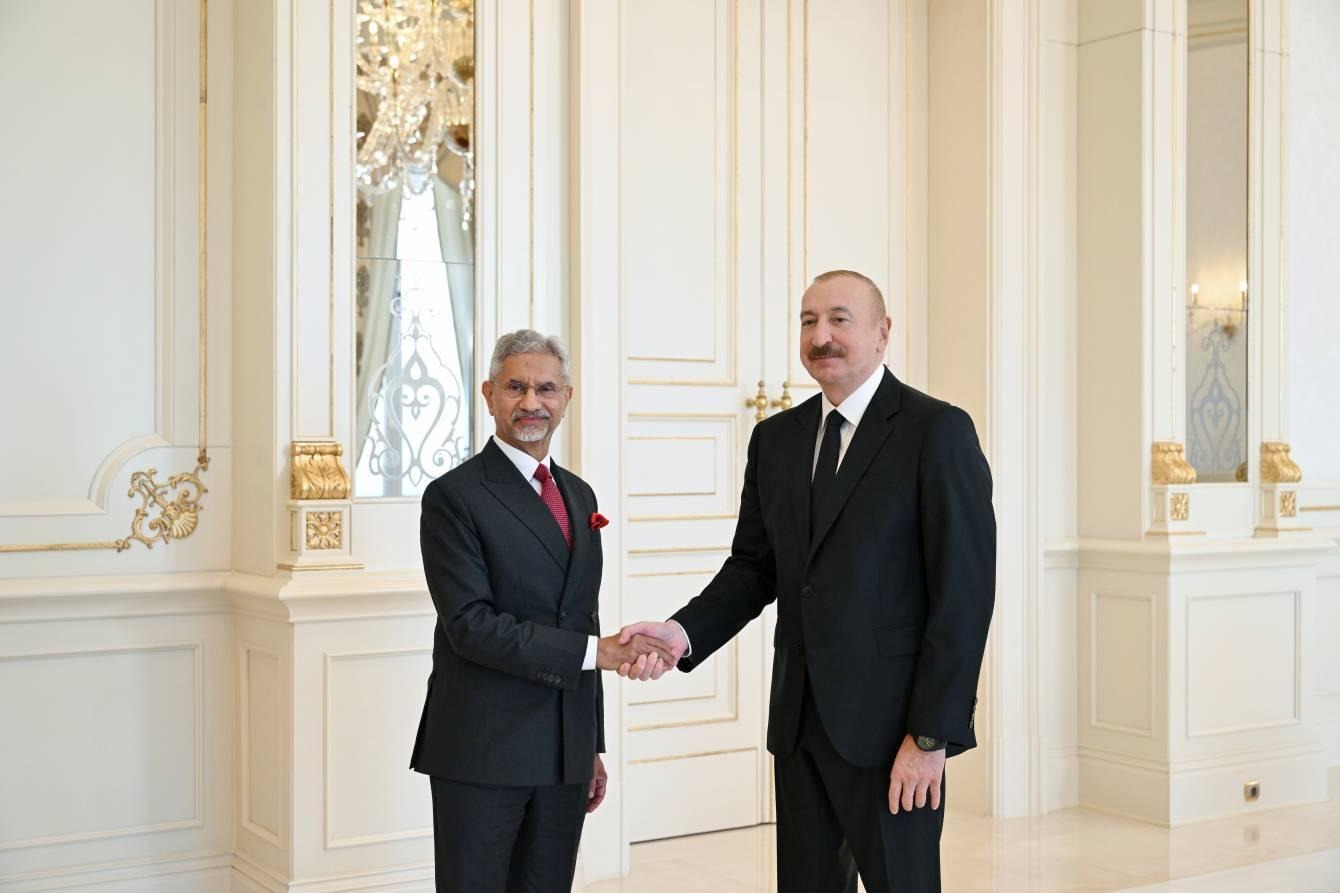
On October 23, Indian External Affairs Minister Subrahmanyam Jaishankar arrived in Baku, the first visit by an Indian foreign minister to Azerbaijan in eight years. He was welcomed by President Ilham Aliyev and met with Foreign Minister Jeyhun Bayramov. The trip followed a period of strained relations that began in May 2025 when Baku sided with Pakistan after India launched military strikes against that country. Baku condemned the attacks and expressed solidarity with Pakistan, leading to a sharp decline in Indian travel to Azerbaijan and a 56 % drop in Indian visitors between May and August 2025.
During the visit, Jaishankar and Aliyev discussed the past differences openly. Bayramov acknowledged that these differences had affected bilateral ties and cooperation within international organisations. The ministers described the talks as productive and said they had laid out a pathway forward, noting that both countries are independent‑minded and do not expect the other to abandon existing partnerships.
Security was a key agenda item. Jaishankar referred to terrorism, conflict and instability as common enemies and welcomed the August 2025 peace agreement between Azerbaijan and Armenia. Bayramov briefed him on the normalization process and Azerbaijan’s expectations from Yerevan, including constitutional changes.
Economic cooperation was highlighted. Bilateral trade reached about $600 million in the first nine months of the year, up from $401 million for all of 2025, though still below the 2022 peak of $1.88 billion. Azerbaijan exported 524,338 tons of crude oil to India between January and September, a 4.9‑fold increase over the same period last year. More than 1,000 Indian companies operate in Azerbaijan; ONGC Videsh has invested over $1.2 billion and holds stakes in the Azeri–Chirag–Gunashli oil fields and the Baku–Tbilisi–Ceyhan pipeline. The ministers agreed to exchange trade delegations and bring business communities together.
Connectivity was also discussed. Azerbaijan’s East–West and North–South transport corridors, the Baku–Tbilisi–Kars railway, the Port of Baku and the Alat Free Economic Zone were highlighted. The parties agreed to coordinate more closely on the International North–South Transport Corridor. Jaishankar said discussions on connectivity would continue.
People‑to‑people ties are recovering. About 500 Indian students are enrolled in Azerbaijani universities this year and more than 30 Indian films have been shot in Azerbaijan in recent years. Jaishankar suggested increasing direct flights and restoring Azerbaijan’s participation in India’s Technical and Economic Cooperation programme.
The reset remains fragile. India’s defense supplies to Armenia remain a concern for Baku, and Azerbaijan’s bid for full SCO membership has not been resolved. Nonetheless, the talks showed both sides are willing to compartmentalise differences rather than let them define the entire relationship.