World
Air Transat Flight 236 Diverts to Azores After Dual Engine Loss, All 306 Survive
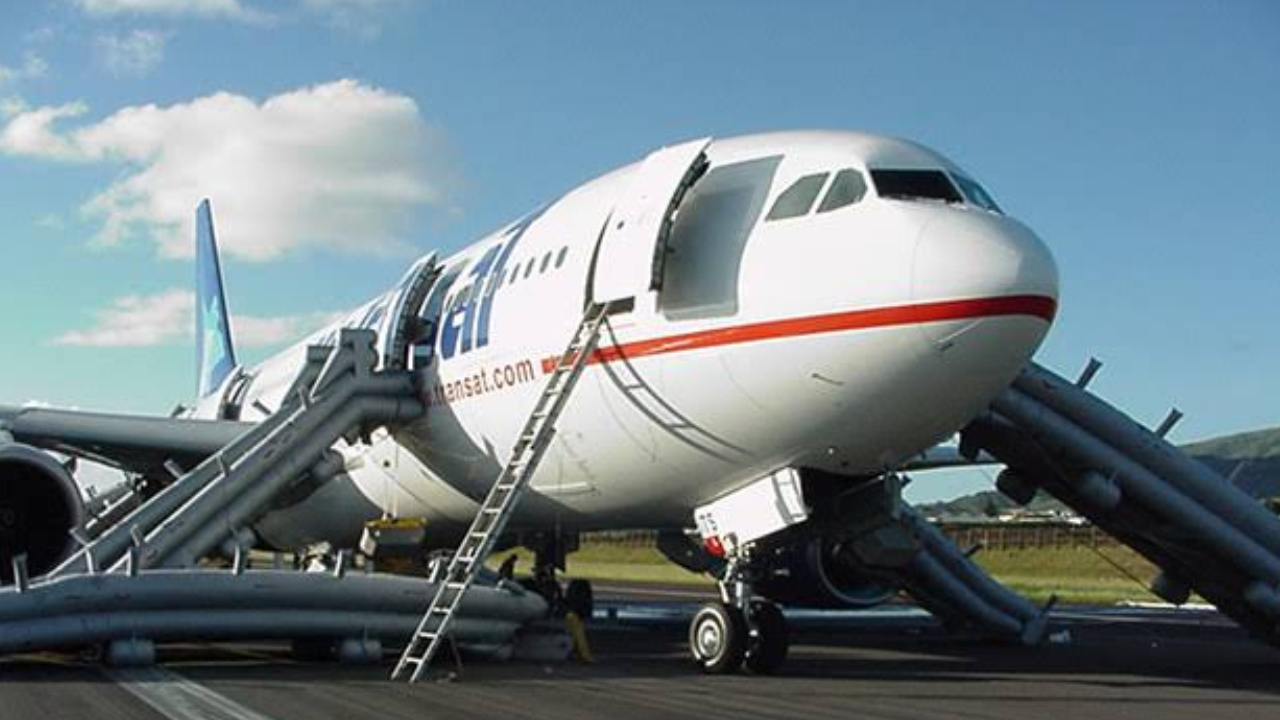
A routine transatlantic flight from Toronto to Lisbon turned into a survival story when Air Transat Flight 236 lost both engines over the Atlantic on August 24, 2001. The Airbus A330‑243, carrying 293 passengers and 13 crew, was just over two years old and was commanded by Captain Robert Piché, who had more than 16,000 flight hours, and First Officer Dirk DeJager.
About four hours into the flight a fracture developed in a fuel line feeding the right engine, causing a rapid fuel leak. The crew first noticed abnormal oil temperature and pressure readings in that engine, but the leak was not immediately identified. After a fuel‑imbalance warning, the pilots transferred fuel between tanks, inadvertently sending more fuel to the leaking engine and accelerating the loss. By the time the seriousness of the situation was understood, a large amount of fuel had already been lost.
At 05:45 UTC the pilots decided to divert to Lajes Air Base on Terceira Island in the Azores. The right engine stopped at 06:13 UTC, and the aircraft was about 150 nautical miles from the airfield. The left engine shut down at 06:26 UTC, leaving the aircraft without power. The emergency ram air turbine deployed, supplying electrical and hydraulic power for essential flight controls, but systems such as normal braking and flaps were unavailable.
The aircraft glided for 19 minutes, guided by radar from the military airbase. It reached Lajes at 06:45 UTC, touching down on Runway 33 at roughly 200 knots, a speed well above normal. The landing was hard, the aircraft bounced once, and the main gear wheels locked, causing tyre deflation and severe damage as the aircraft used most of the runway. An immediate evacuation followed.
All 306 people on board survived. Sixteen passengers and two crew members were injured, including two serious injuries that were not life‑threatening. The aircraft sustained extensive damage to its landing gear and lower fuselage.
An investigation by Portugal’s Aviation Accidents Prevention and Investigation Department, assisted by the Transportation Safety Board of Canada, traced the fuel leak to a maintenance error. Incompatible parts installed during a right‑engine replacement had a hydraulic line placed too close to a fuel line, allowing friction to crack the fuel line. The investigation also noted shortcomings in the crew’s interpretation of fuel warnings and their response to the imbalance.
Air Transat accepted responsibility for the maintenance failure and was fined C$250,000 by Canadian authorities in September 2001. The incident prompted changes to operating procedures and fuel‑leak warnings.
The flight crew received international recognition. In 2002 Captain Piché was awarded the Air Line Pilots Association’s Superior Airmanship Award. The event has been the subject of documentaries, aviation programs and the 2010 Canadian biographical film "Piché: The Landing of a Man". Known as the Azores Glider, the flight remains a landmark in commercial aviation, illustrating the importance of cockpit coordination and emergency decision‑making.
Frequently asked questions
What caused Air Transat Flight 236 to lose both engines?
A fracture in a fuel line feeding the right engine caused a rapid fuel leak, leading to loss of both engines.
How many people survived the incident?
All 306 people on board survived; 16 passengers and 2 crew were injured.