World
National and Labour Parties Tied Near 30% in Early New Zealand Vote
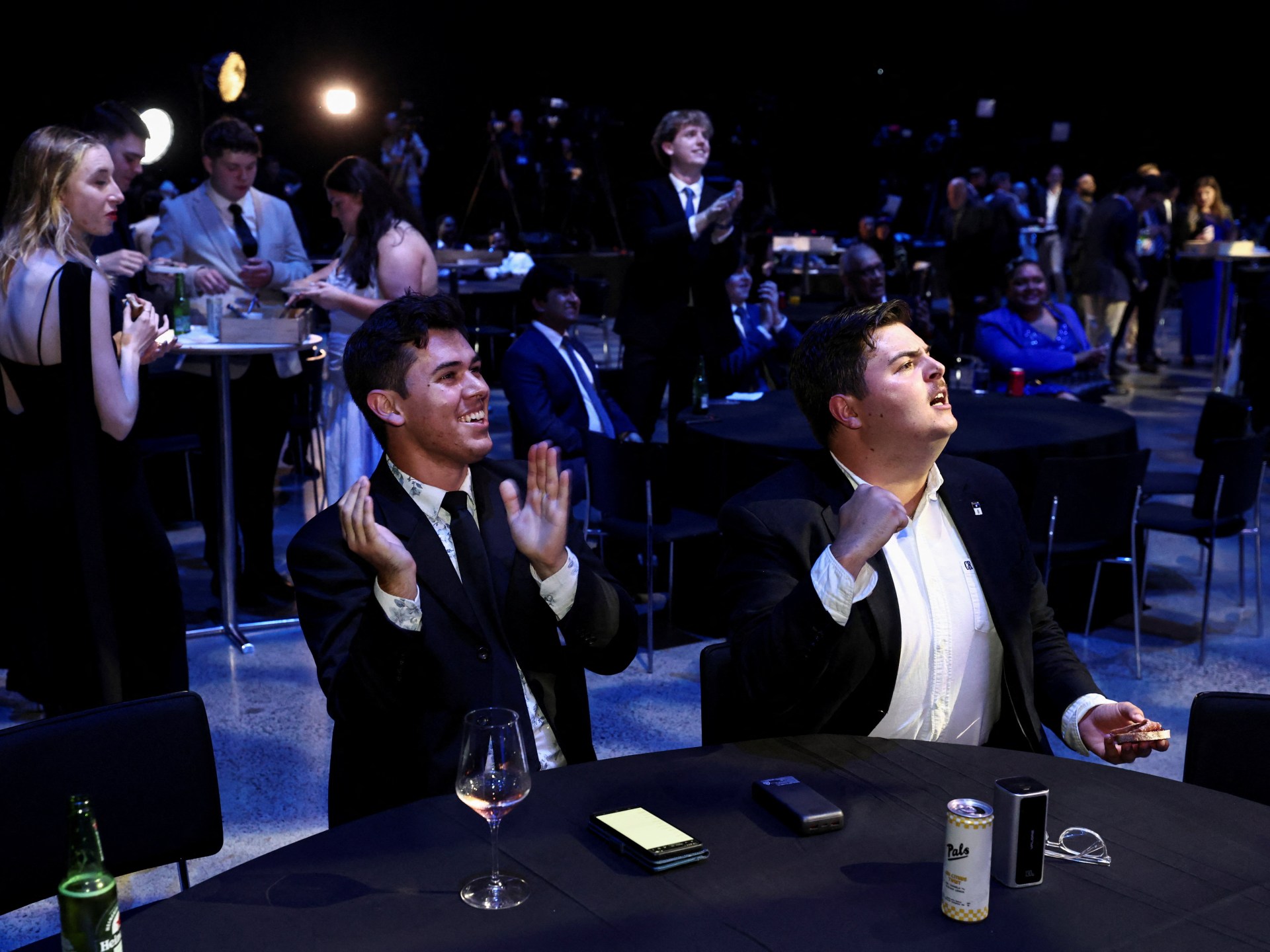
Early results from New Zealand’s general election show the ruling centre‑right National Party and the main opposition Labour Party each polling just under 30 percent of the popular vote, with more than half of the ballots counted. The Electoral Commission reported that the three‑party coalition led by National would hold a majority by a single seat. The centrist Opportunity Party is close to the 5‑percent threshold required for parliamentary entry, potentially positioning it as a kingmaker.
Polling stations opened at 9 a.m. Saturday (20:00 GMT Friday) and closed at 7 p.m. (06:00 GMT Saturday). The Commission aims to release preliminary results from 95 percent of stations by the end of election night, with a final count, including overseas ballots, expected by November 27. No deadline is set for forming a government.
The election, sometimes called the “supermarket election,” has focused on grocery prices and supermarket competition. Former MP Peter Dunne, who served under both National and Labour governments, described the contest as a “cost‑of‑living election” and noted that the ruling coalition appears ahead of the centre‑left, a surprise given the early figures.
National pledged to bring the budget back to surplus through fiscal discipline and expand the national pension scheme, while Labour promised cheaper healthcare and transport. Dunne said the two major parties are “carbon copies” of each other, leaving voters eager for more variation.
He highlighted growing support for the Green Party, the right‑wing libertarian ACT New Zealand, the nationalist New Zealand First, and the new centrist Opportunity Party. The Opportunity Party, hovering near the 5‑percent threshold, could play a decisive role if the main parties finish close.
New Zealand’s mixed‑member proportional system means voters choose a local electorate candidate and a party. If the main parties are evenly matched, the Opportunity Party could negotiate with the largest party—currently National—though no agreement is guaranteed. Dunne warned that weeks of inter‑party talks could delay a government, potentially leaving Parliament without a clear leader until early January.
Parliament normally has 120 seats, filled by electorate winners and the highest‑ranked party members based on the national vote. All votes are counted by hand, not by machine.
Frequently asked questions
What are the early vote percentages for the National and Labour parties in New Zealand's election?
Early results show both parties polling just under 30% of the popular vote.
What is the significance of the Opportunity Party's vote share?
The Opportunity Party is close to the 5% threshold required for parliamentary entry, potentially positioning it as a kingmaker.
When is the final vote count expected to be released?
The final count, including overseas ballots, is expected by November 27.