World
Springhead Hoard’s First 114 Coins Fetch £23,240, Funding Gravesend Historical Society Archives
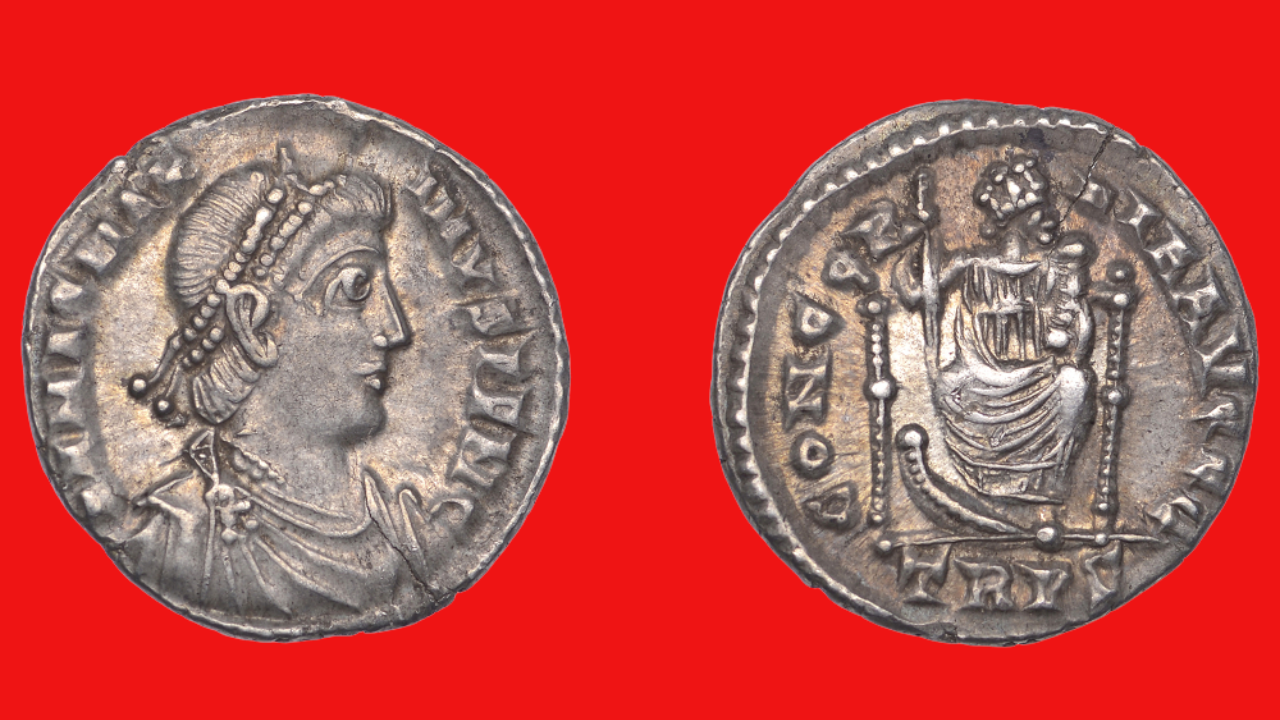
A set of 114 silver Roman coins, buried in the late Roman period and discovered during road widening in Kent, sold for £23,240 at auction on 10 November 2026. The proceeds will support the Gravesend Historical Society, founded in 1924 and recently celebrating its centenary, by helping to store, conserve and digitise its research archive. The coins, known as ‘siliquae’, were part of the Springhead Hoard found on 22 October 1964 when workers widened the A2 road near Springhead, Kent. The society’s members helped recover the hoard, which was declared Treasure Trove in January 1965. The British Museum took 27 coins, including gold pieces, while the society acquired the remaining 420 silver siliquae. The auction exceeded the highest estimate of £15,000, with a gross sale total of £23,240 and £28,818 including buyers’ premium. Individual coins fetched prices above estimates: a Gratian siliqua (367–378) sold for £440, a Magnus Maximus siliqua for £420, a Theodosius I siliqua for £400, and a Valentinian II siliqua for £380. The society will keep a small representative group of coins in Gravesend as a permanent reminder of the discovery. The remaining coins are scheduled to be offered in spring 2027. The sale will help preserve the society’s archive, which contains photographs, documents, excavation records and artefacts from the Roman site at Vagniacis, the settlement that lay along Watling Street.
Frequently asked questions
When and where were the 114 silver Roman coins discovered?
They were discovered on 22 October 1964 when workers widened the A2 road near Springhead, Kent.
How much did the 114 coins sell for at auction?
They sold for £23,240, exceeding the £15,000 estimate, with a gross sale total of £23,240 and £28,818 including buyers’ premium.